Arabic & Levantine Pantry Guide
Vine Leaves (Warak Enab): Brined Leaves for Rolling and Ready-to-Eat Dolma
Tender grape vine leaves (known in Arabic as warak enab or yabraq) wrap one of the most beloved dishes of Middle Eastern cooking. Rolled with spiced rice and lamb to simmer with garlic and lemon, or stuffed with herbs, olive oil and pomegranate molasses for cold mezze, they are a culinary classic.
Two Great Styles: Hot Meat Yabraq vs Cold Olive Oil Yalanji
Across Syria, Lebanon, Palestine, Jordan, Egypt, Iraq and Turkey, stuffed vine leaves fall into two distinct traditions. The hot main-course version (called yabraq in Syria and warak enab bil-lahmeh elsewhere) is rolled tightly around short-grain Egyptian rice, minced lamb or beef, ghee and warm spices, then slow-cooked over lamb chops and whole garlic bulbs in a bright lemon broth. The cold mezze version (yalanji or warak enab bi-zayt) is completely meat-free, packed with rice, parsley, mint, tomatoes, onions, olive oil and tangy pomegranate molasses.
Brined Jars, Vacuum Packs and Ready-to-Eat Tins
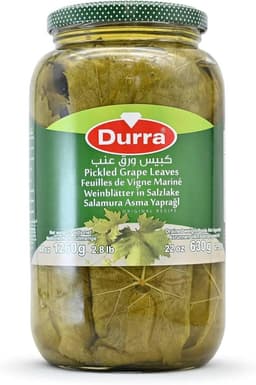
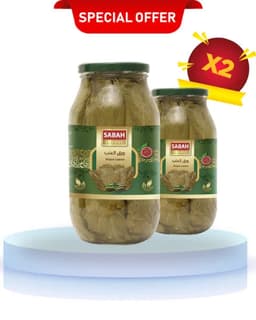
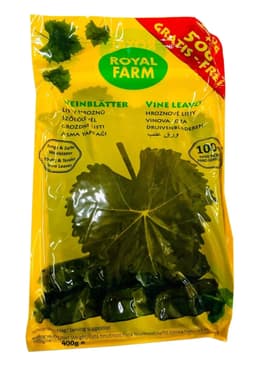
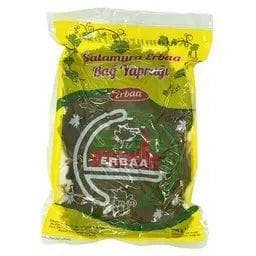
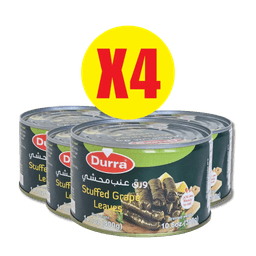
For home rolling, cooks choose between vine leaves preserved in brine in glass jars and flat-stacked vacuum-sealed packs of tender Syrian or Turkish Erbaa leaves. High-quality leaves are pale olive-golden, thin, supple and free of tough woody stems. For effortless weeknight mezze or picnics, ready-stuffed vine leaves in tins can be plated straight from the can with a generous squeeze of fresh lemon juice and a drizzle of extra-virgin olive oil.
How to Prep and Roll Preserved Vine Leaves
Before rolling brined or vacuum-packed vine leaves, separate the bundles gently, rinse them under cold running water, and blanch them in a pot of boiling water for two to three minutes to remove excess salt and soften the fibres. Snip off the little stem at the base and lay each leaf flat with the smooth, shiny side facing down and the matte, veined side facing up – place a line of filling near the base, fold the sides in and roll snugly like a cigar.