Arabic & Levantine Pantry Guide
Tamarind (Tamr Hindi): Sweet-Tart Pulp and Syrup for Ramadan Drinks and Stews
Tamarind (known in Arabic as tamr hindi, literally 'Indian date') is the dark, sticky, sweet-sour fruit pulp from the pods of the tropical tamarind tree. Across the Middle East, it is used both to make the beloved iced Ramadan drink tamr hindi and to add fruity tartness to stews, stuffed vine leaves and fish.
Pressed Tamarind Blocks vs Sweet Syrup Concentrate
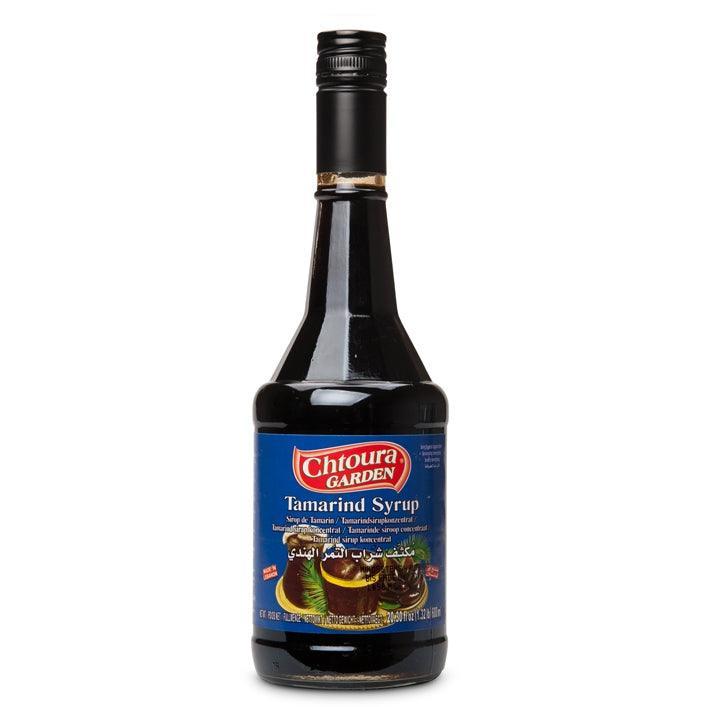
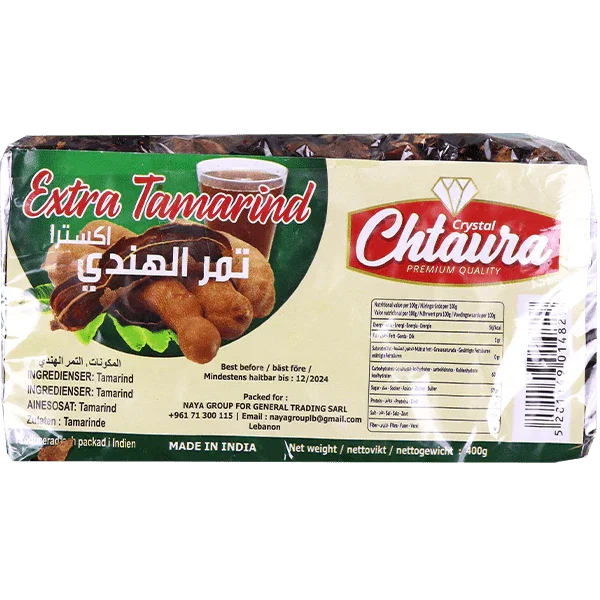
Middle Eastern grocers stock tamarind in two distinct forms: compressed blocks of raw, dried tamarind pulp and bottled tamarind syrup concentrate. The bottled concentrate is pre-strained and sweetened, designed for mixing instant cold drinks. The dried block is unsweetened whole fruit pulp; to use it, break off a chunk, soak it in hot water for thirty to forty-five minutes, mash it with your fingers and press the dark liquid through a fine sieve.
Iced Tamr Hindi on the Ramadan Table
From Damascus and Beirut to Cairo and Baghdad, tall glasses of ruby-brown iced tamr hindi scented with a drop of rose water or orange blossom water are a signature refreshment at Ramadan iftar and throughout the summer. Using tamarind syrup concentrate, you simply stir one part syrup into four or five parts ice-cold water for an instant sweet-tart cooler.
Tangy Depth in Savoury Levantine, Iraqi and Gulf Cooking
In savoury recipes, unsweetened tamarind water extracted from the dried block provides a mellow, plum-like acidity that rounds out rich dishes without the sharp bite of lemon juice. It is essential in Damascus-style harak osbao (lentils with pasta, crispy onions and coriander), Iraqi dolma (stuffed vegetables and grape leaves), Aleppine kibbeh stews and spiced Gulf fish curries.