Arabic & Levantine Pantry Guide
What is sumac? Tangy red spice for salads, grills and musakhan
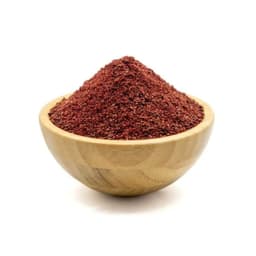
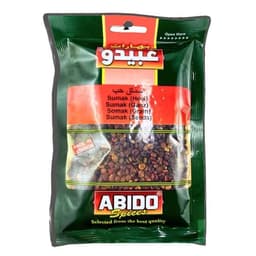
Sumac is a deep crimson spice made by drying and crushing the tart berries of the wild sumac shrub. It brings a bright, lemony acidity without adding liquid or heat, and is essential in za'atar, fattoush salad, Palestinian musakhan and onion salads served beside grilled meats.
How sumac is harvested and what baladi sumac means
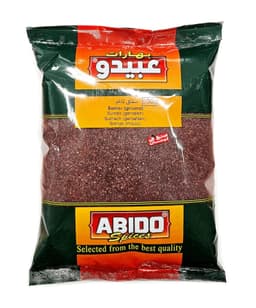
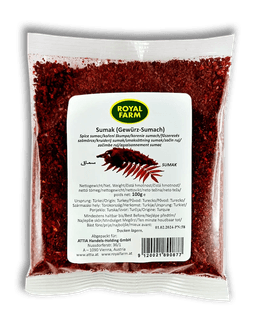
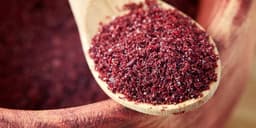
Sumac berries (Rhus coriaria) grow in dense upright clusters across the hills of the Levant and eastern Mediterranean. Picked in late summer when they turn dark burgundy, the berries are sun-dried and either left whole or crushed coarsely with a pinch of salt, since the tartness sits mainly in the thin outer skin. Traditional Levantine "baladi" sumac has a deep maroon-purple colour and a slightly moist, coarse crumb rather than a dusty bright-red powder.
How to cook with sumac: musakhan, fattoush and kebabs
Cooks reach for sumac whenever a dish needs a dry citrus tang. In Palestinian musakhan, flatbread is topped with slow-cooked onions, olive oil, roast chicken and generous spoonfuls of coarse sumac. In fattoush, sumac coats the chopped vegetables and crispy pita chips alongside pomegranate molasses. It is also one of the main ingredients in za'atar, rubbed into sliced raw onions and parsley to serve with grilled kebabs, and dusted over hummus, fried eggs and roast potatoes.