Mouneh: Guide to the Traditional Syrian & Levantine Larder
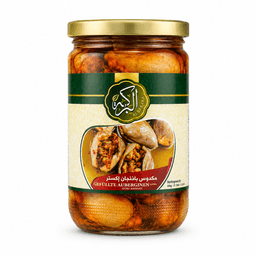
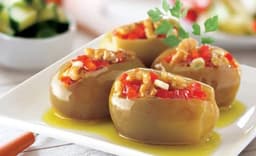
Mouneh (al-mouneh al-shamiya) is the time-honoured Syrian and Levantine craft of preserving late-summer harvests – aubergines, green wheat, red peppers, olives and yogurt – using sun, sea salt, fermentation and olive oil. Across Syrian and Arab homes in Europe, these pantry staples anchor weekend breakfasts and winter stews.
Harvest, Sun and Olive Oil: How the Mouneh Tradition Began
Derived from the Arabic word for household provisions, mouneh grew out of seasonal village and courtyard life across Damascus, Aleppo, Homs, Hama and Mount Lebanon. Every autumn families cured olives, stuffed baby aubergines, sun-dried red pepper paste and fermented yogurt-bulgur kishk so the larder stayed full of bright flavours right through winter.
A Syrian Morning Table Straight From the Pantry
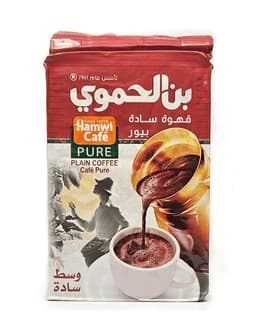
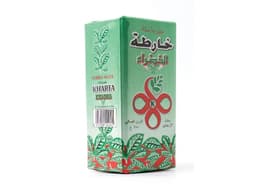
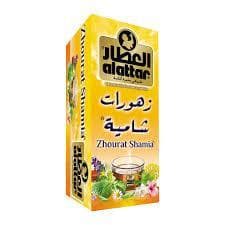
Nowhere is mouneh more vivid than at breakfast: small dishes of walnut-and-pepper-stuffed baby aubergines in oil (Syrian makdous or maqdous from makers such as Albaraka and Mansour Food) sit beside labneh drizzled with olive oil, fragrant za'atar with sesame, white akkawi cheese and olives. Alongside comes a brass pot of cardamom-scented Damascene coffee (Hamwi Cafe), soothing Levantine herbal tea zhourat (Alattar) or a gourd of green Kharta yerba mate.
Winter Cooking Essentials: Freekeh, Kishk Baladi and Pepper Paste
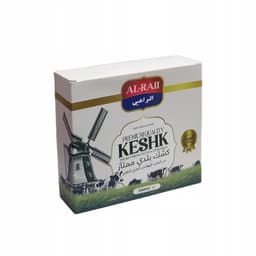
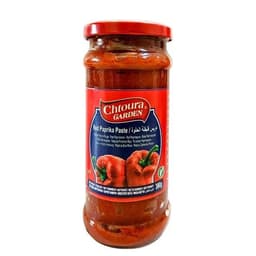
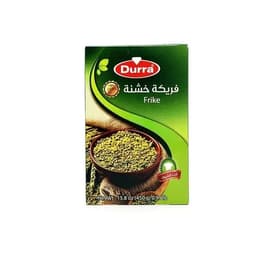
In savoury cooking, mouneh ingredients bring instant depth: fire-roasted green wheat (freekeh, such as coarse Durra freekeh) lends gentle smokiness to pilafs and soups; sun-dried yogurt-bulgur powder (kishk baladi like Al-Raii) cooks into a velvety garlic-and-mint winter soup; and Syrian red pepper paste (debs fleifleh, such as Chtoura Garden) pairs with pomegranate molasses in muhammara, tray bakes and stuffed vine leaves.