Syrian Red Pepper Paste (Debs Fleifleh): How It Is Made and Used
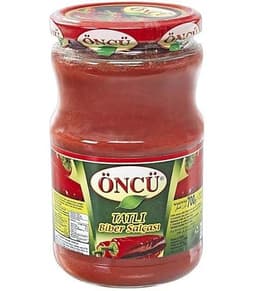
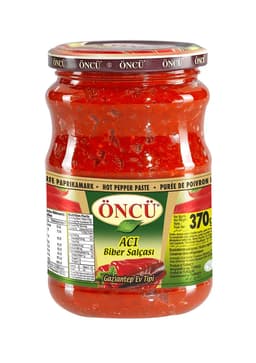
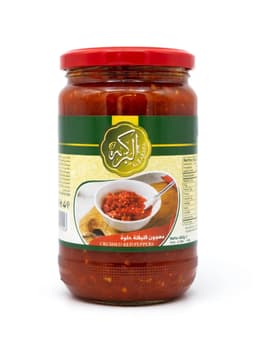
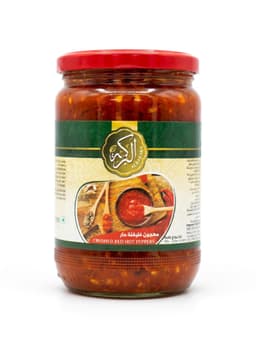
Debs fleifleh is a thick, concentrated crimson paste made from ripe red peppers and salt, prized as a pantry staple across Syria and Lebanon. Sold in both sweet and hot varieties, it anchors Aleppine muhammara, grill marinades, stews and bakery flatbreads.
Late-summer sun-curing in the Levantine pantry
At the height of late summer, fleshy red horn peppers around Aleppo and across the Levant are seeded, finely minced and mixed with coarse salt as part of the annual pantry preparation known as mouneh. Traditionally, the mash is spread onto wide trays in the hot sun and stirred daily for several days until excess moisture evaporates, concentrating the peppers' natural sugars and deep ruby colour without scorching them. Packed into jars beneath a seal of olive oil, it keeps its bright aroma all winter.
Everyday uses in mezze, marinades and stews
A spoonful of debs fleifleh forms the backbone of Aleppo's walnut and pomegranate dip muhammara, as well as the savoury onion-and-sesame topping baked onto muhammara manakish. Cooks whisk it with yoghurt, garlic and lemon to marinate shish tawook chicken skewers, knead it into spiced lamb kebabs and walnut-stuffed makdous aubergines, toss it with crispy batata harra potatoes, or swirl it into olive oil alongside morning labneh and eggs.
How it differs from tomato paste and harissa
Compared with tomato paste, red pepper paste is sweeter, fruitier and less acidic, and the two are often combined half-and-half in braised dishes and stuffed vegetable broths. Unlike North African harissa, which comes pre-seasoned with garlic, caraway and coriander seeds, Levantine pepper paste is typically pure pepper and salt, making it a versatile building block.