Arabic & Levantine Pantry Guide
What is za'atar? Ingredients, varieties and how to use it
In Levantine cooking, za'atar refers both to wild aromatic thyme-like herbs and to the finished spice blend made by mixing those dried herbs with tangy sumac, toasted sesame seeds and salt. It is eaten daily at breakfast dipped with flatbread and olive oil, or baked onto dough for manakish.
What is in za'atar and how do green and red blends differ?
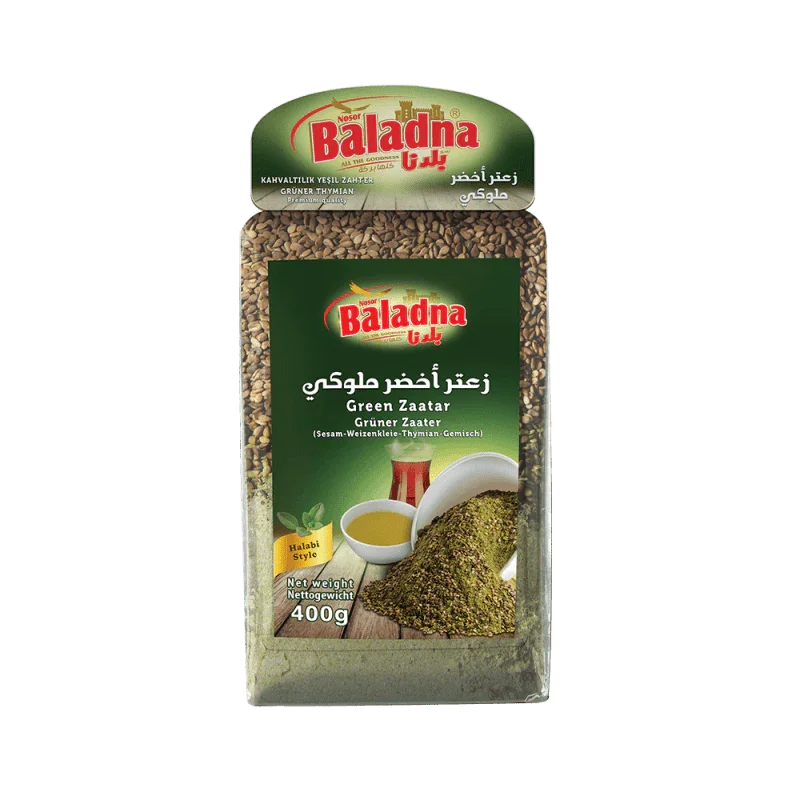
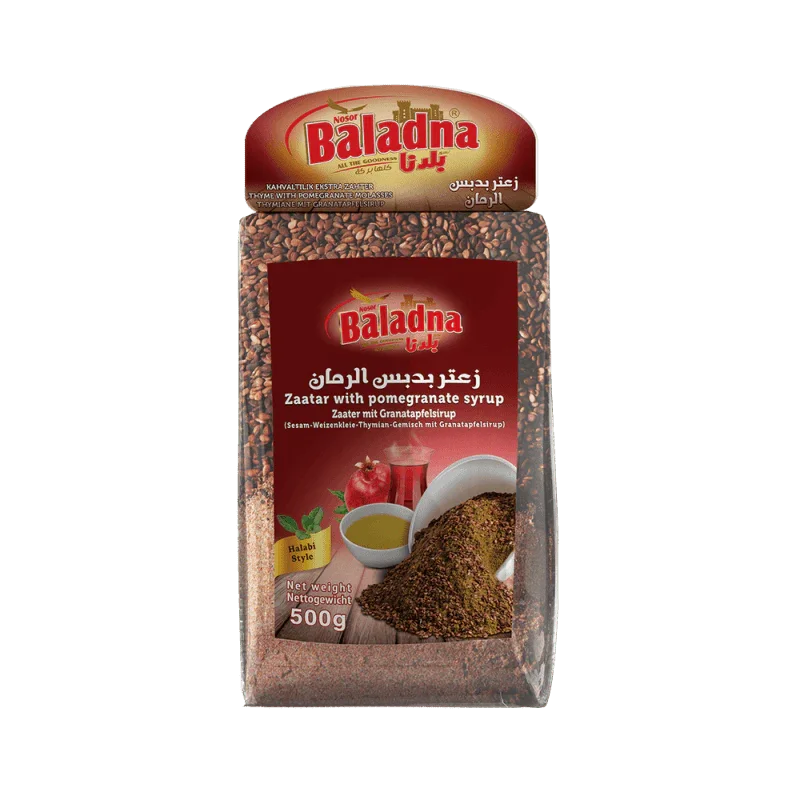
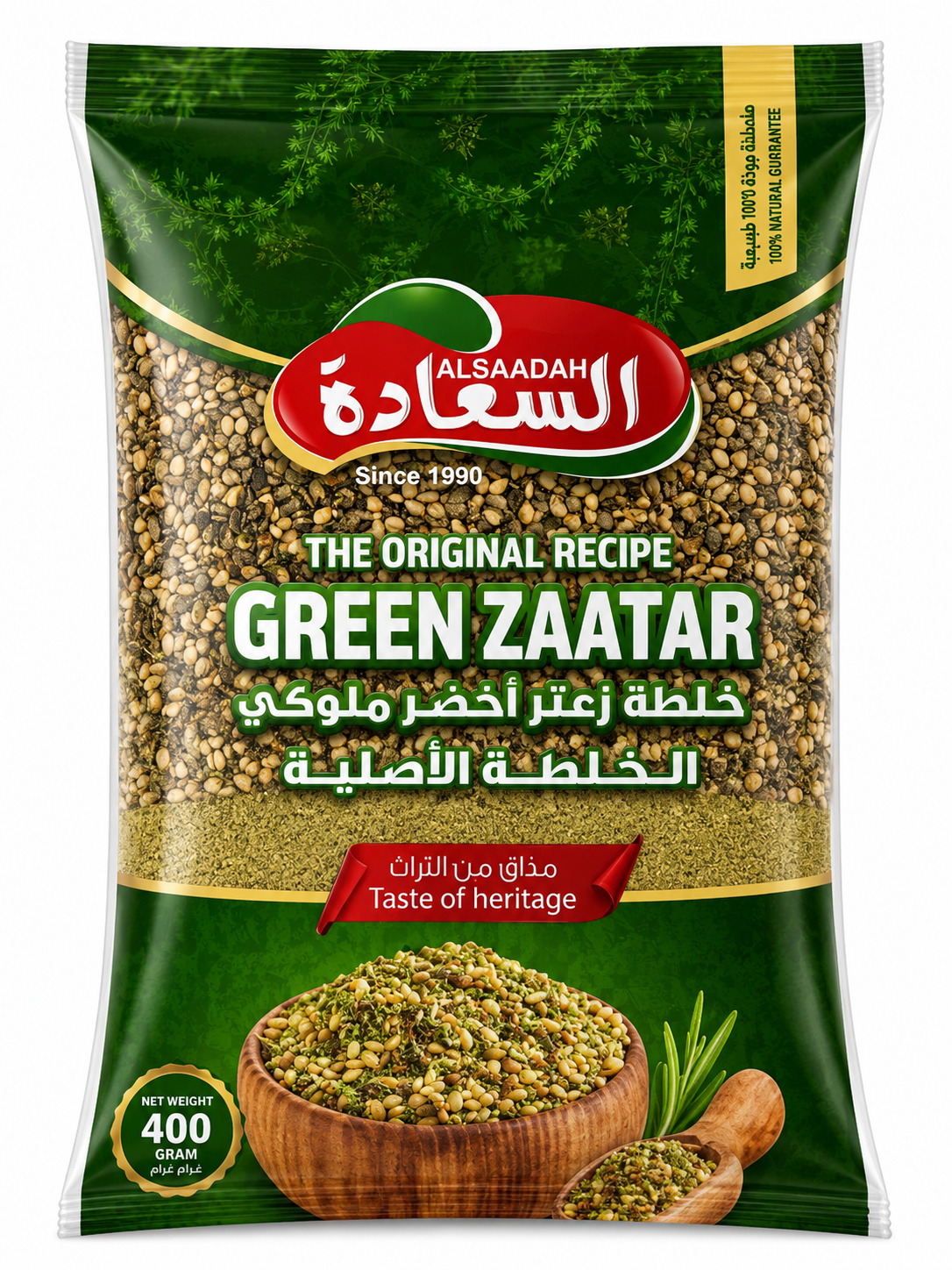
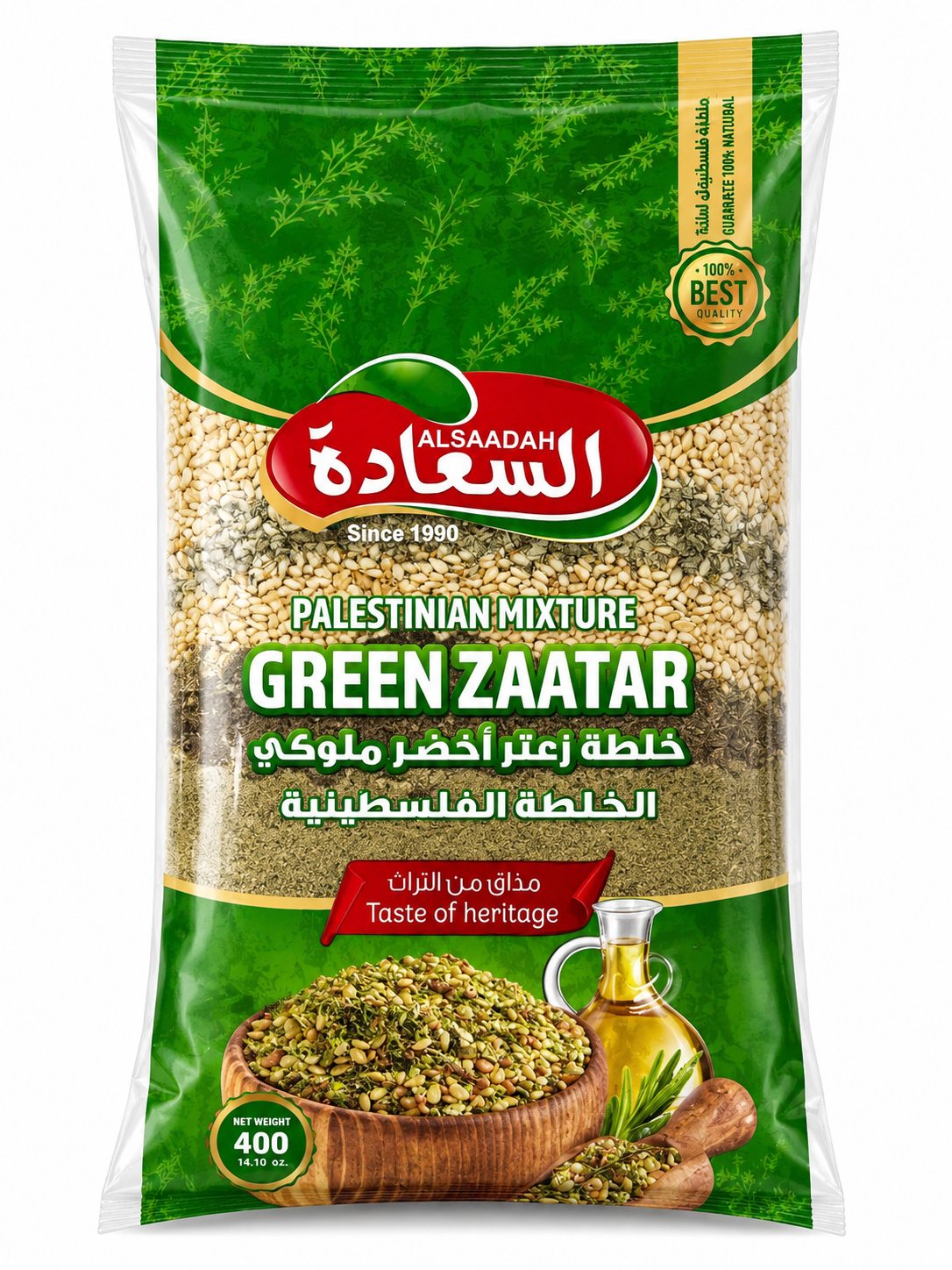
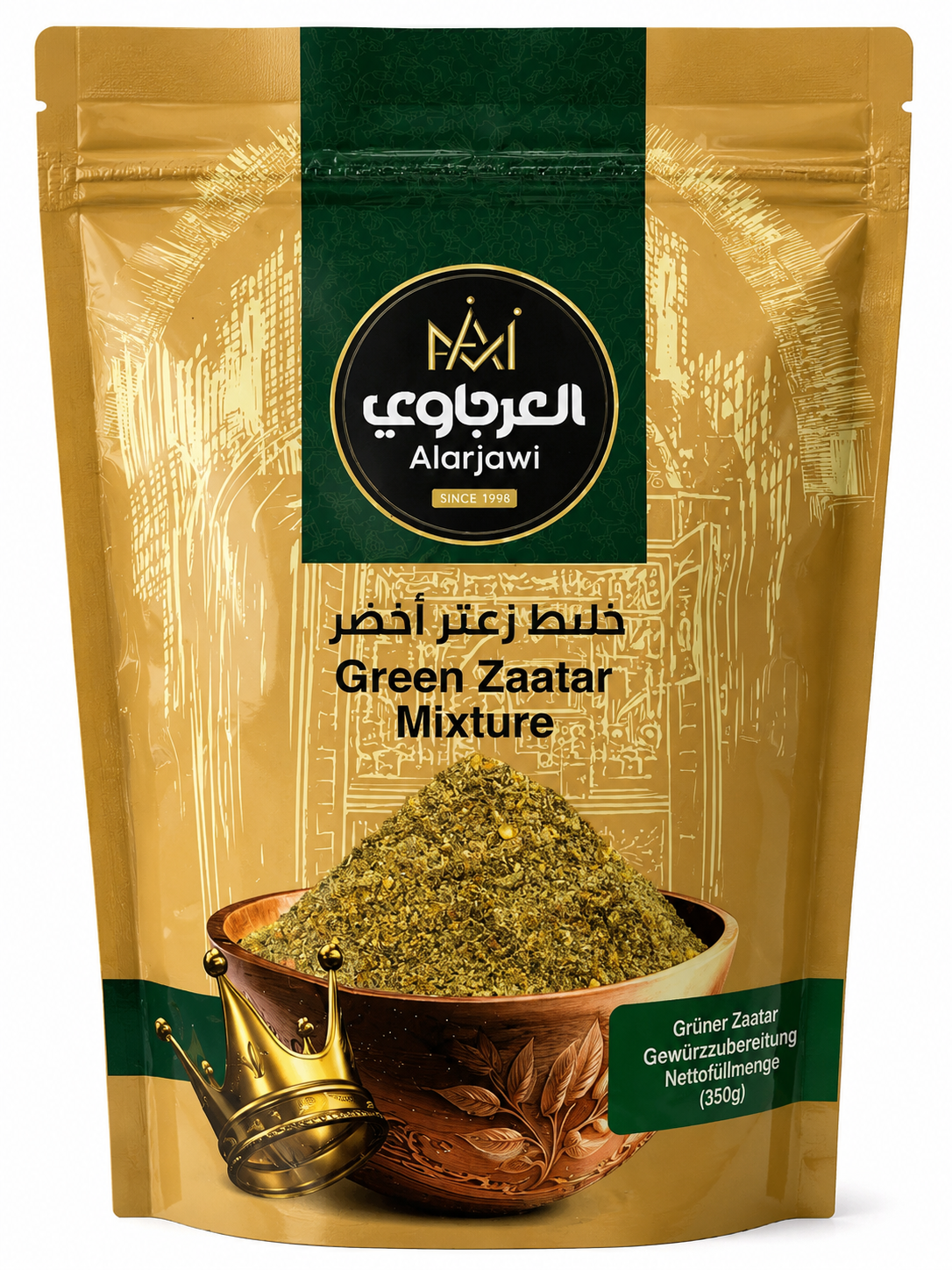
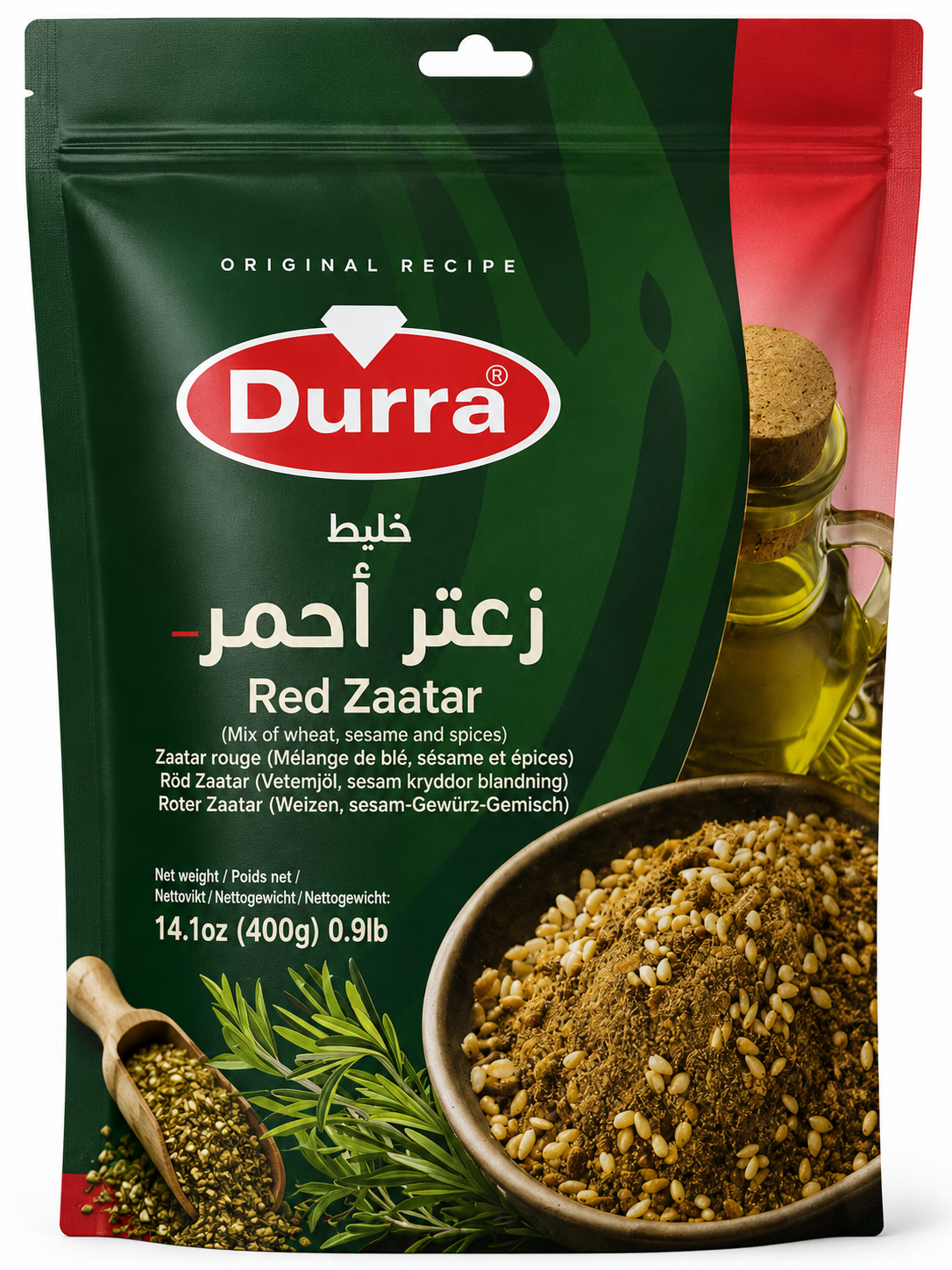
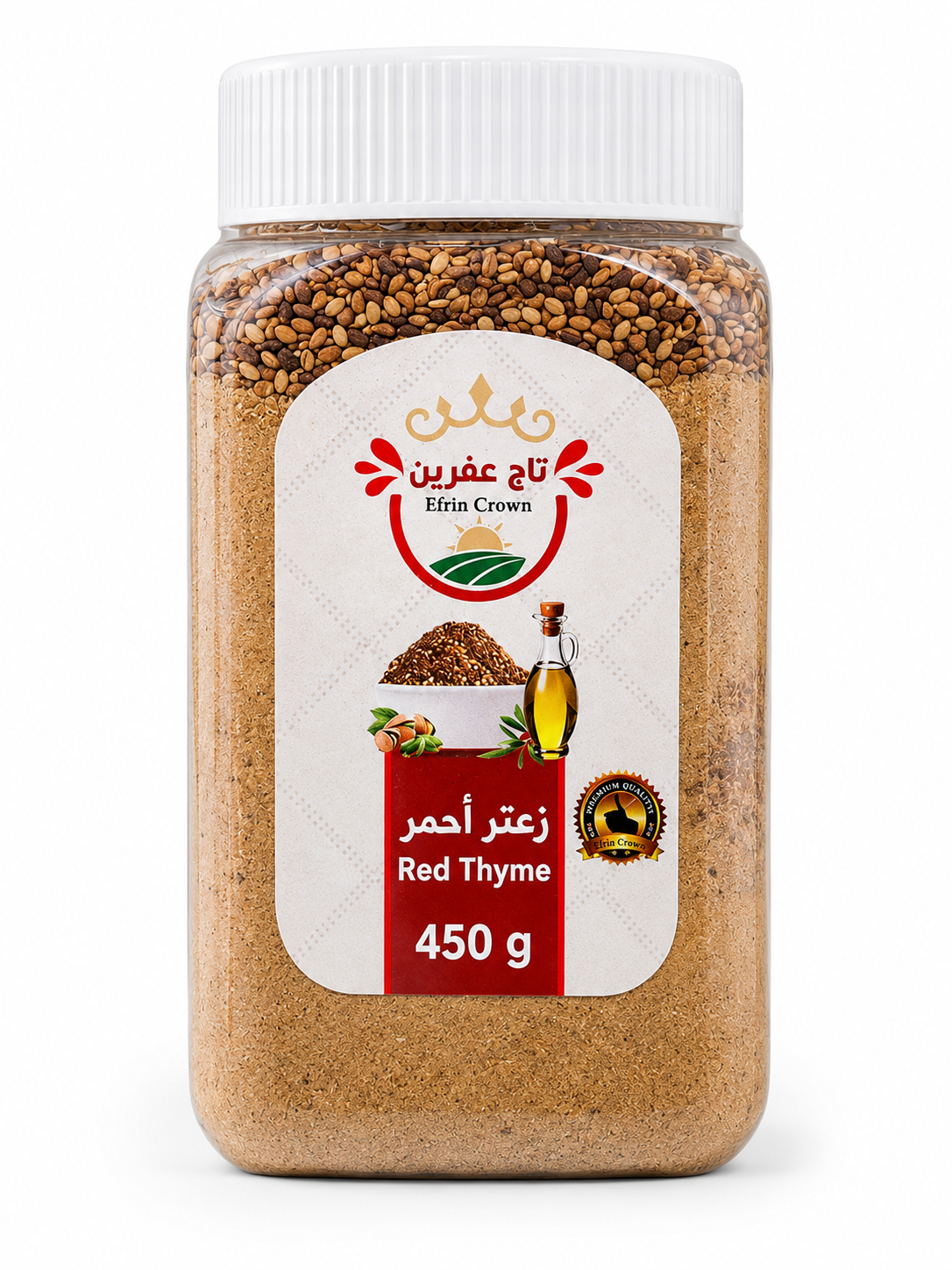
A classic za'atar blend combines dried ground leaves of wild thyme or Syrian oregano with ruby-red sumac, golden toasted sesame seeds and a little salt. Palestinian and Jordanian styles are bright green, keeping the focus on the herb and sesame. Syrian and Lebanese blends, especially those from Aleppo and Afrin, often include toasted coriander, cumin, fennel and aniseed along with roasted chickpea or wheat powder for body. Red za'atar gets its colour and sharper tang from a generous proportion of sumac or pomegranate molasses.
How do you eat and cook with za'atar?
At the breakfast or suhoor table, two small bowls are set out side by side: one with olive oil and one with dry za'atar. Tear off a piece of warm Arabic bread, dip it first into the oil and then into the za'atar, and eat it alongside labneh, olives, tomatoes, cucumber and mint tea. Mixed with olive oil into a spreadable paste, za'atar is brushed over flatbread dough to bake manakish, or spooned over labneh, boiled eggs and grilled cheese.