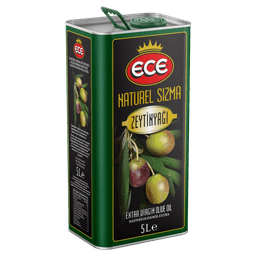
Olive Oil in Levantine Cooking: Harvest, Flavour and Classic Dishes
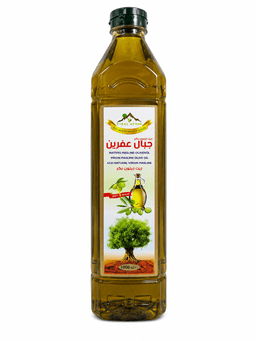
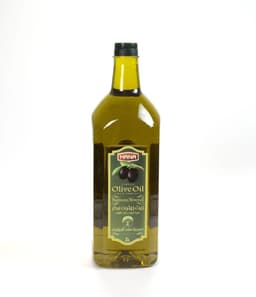
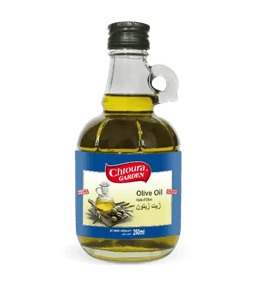
Cold-pressed extra-virgin olive oil is the backbone of kitchens across Syria, Palestine, Lebanon and Jordan. Eaten raw at breakfast with za'atar, labneh and hummus, it also carries slow-cooked classics such as musakhan, mujaddara and yalanji.
Autumn harvest and peppery new-season oil
Following the first autumn rains in October and November, families gather in the groves of Afrin and Idlib in Syria, the hills of Palestine, Lebanon's Koura district and northern Jordan to pick green and mottled purple olives. Pressed cold right after picking, new-season first-press oil pours out cloudy green-gold with a vivid scent of crushed olive leaves and green almond, finishing with a characteristic peppery tingle at the back of the throat.
At the breakfast table, over mezze and in pantry jars
Every Levantine morning spread centres on a small dish of olive oil paired with aromatic za'atar for dipping torn pieces of warm flatbread. A generous ribbon of oil finishes bowls of hummus, smoky mutabbal, mashed ful medames, strained labneh and crumbly shanklish cheese. In the winter larder, olive oil is poured to the brim over jars of walnut-stuffed makdous aubergines and rolled labneh balls to keep air out.
Cooking 'bi-zayt' dishes and storing olive oil well
Levantine home cooking celebrates an entire category of meatless dishes cooked in olive oil – known as aklat bi-zayt – served cool or at room temperature, including tangy yalanji vine leaves, braised green beans with tomatoes and caramelised-onion mujaddara. Palestinian musakhan goes further still, slowly melting mountains of sliced onions in fragrant olive oil and sumac to spoon over taboon bread and roast chicken. Store olive oil in opaque tins or dark glass away from sunlight and stove heat.