Sesame Seeds (Simsim) in Arabic Baking, Za'atar and Tahini
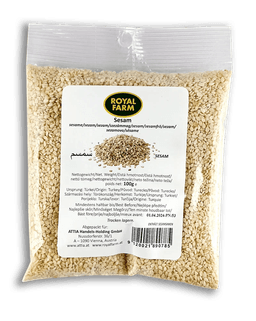
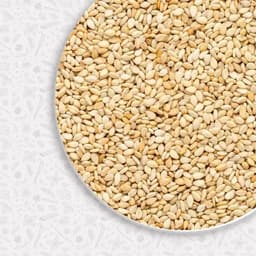
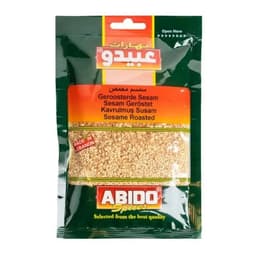
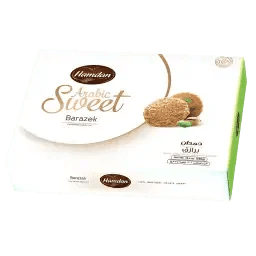
Sesame seeds (simsim), used either hulled white or toasted golden brown, are indispensable in Arabic bakeries and spice cupboards. They crust Damascene barazek biscuits and Jerusalem kaak bread, add crunch to za'atar and dukkah, and are stone-ground into tahini and halva.
Hulled white sesame versus pre-toasted golden sesame
Middle Eastern pantries usually keep both raw hulled white sesame and golden toasted sesame on hand. Raw white seeds are chosen for doughs heading into a hot oven – such as fatayer pastries, muhammara manakish, sweet Ramadan maarouk buns and biscuits – so the seeds toast evenly as the pastry bakes without scorching. Pre-toasted sesame seeds have a deep, nutty perfume ready to toss straight into Levantine za'atar, Egyptian hazelnut-and-spice dukkah or warm dishes at the table.
Bakery favourites: barazek, kaak rings and simsimiyeh
In Damascus, crisp, buttery barazek cookies owe their signature snap to a thick blanket of syrup-tossed sesame pressed onto the top and crushed pistachios underneath. Across Jerusalem, Amman and Beirut, street-cart kaak bread rings and crunchy anise-scented kaak rusks are coated generously in sesame before baking. Cooked with sugar syrup or honey and a drop of blossom water, toasted seeds set into brittle simsimiyeh bars, while stone-milled hulled seeds yield silky tahini and flaky halva.
Dry-toasting sesame at home and keeping seeds fresh
To toast white sesame seeds yourself, spread them in a dry wide frying pan over medium-low heat and stir constantly for 3 to 5 minutes until pale golden and fragrant, then tip them straight onto a cool plate so residual pan heat does not burn them. Because sesame is rich in natural oils, store opened packs in an airtight jar in a cool, dark cupboard – or in the fridge during warm summer months.