Arabic & Levantine Pantry Guide
Kaak (Ka'k): Syrian Crunchy Sesame Rings and Breadsticks Spiced with Anise & Mahlab
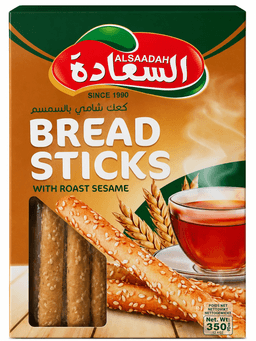
In the Levant, kaak (or ka'k) refers first and foremost to crunchy golden biscuit rings and sticks baked with toasted sesame seeds, nigella seeds and a fragrant spice blend of anise, fennel and mahlab. Known as 'tea kaak' (kaak al-shai), they are the classic dunking biscuit for hot black tea.
The Signature Aroma: Kaak Spice with Anise, Fennel and Mahlab
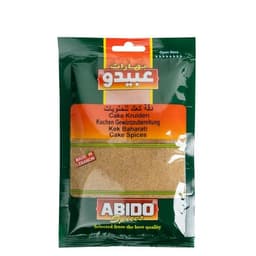
What sets Syrian and Lebanese bakery kaak apart from ordinary sesame crackers or shortbread is its unmistakable warm fragrance. Bakers season the dough with a dedicated 'kaak spice' blend (baharat al-ka'k) ground from sweet aniseed, fennel seed and aromatic mahlab (wild cherry kernel), then knead in black nigella seeds (habbat al-baraka) and coat the shaped rings or sticks generously in white sesame seeds. Baked until golden and dry, they develop a crisp, airy snap.
Many Regional Styles Across the Arab World
Across the Middle East, the word 'kaak' spans a proud family of bakes: in Damascus, Homs and Aleppo, everyday kaak means crunchy sesame-crusted tea sticks and bracelets. In Palestine and Jordan, holiday 'kaak al-Eid' are tender semolina-and-flour rings stuffed with spiced date paste; in Jerusalem, 'kaak al-Quds' is a long, crusty sesame street bread eaten with zaatar; in Beirut, purse-shaped 'kaak' is stuffed with warm kunafa; and in Egypt, 'kahk' are melt-in-the-mouth Eid cookies dusted with icing sugar.
Made for Dunking in Mint Tea and Pairing with White Cheese
Syrian sesame kaak is engineered for dunking: its sturdy, porous crumb drinks up hot mint tea or warm milk without falling apart in the cup. Because traditional tea kaak is only lightly sweetened, households also serve it alongside savoury breakfast plates of labneh, white akkawi or halloumi cheese, and olives.