Arabic & Levantine Pantry Guide
Ras el Hanout: North African Spice Blend for Tagine and Couscous
Ras el hanout is the signature spice blend of the Maghreb (Morocco, Algeria and Tunisia); its Arabic name literally means 'head of the shop'. Combining cinnamon, ginger, turmeric, coriander, cumin, cardamom and nutmeg, it gives slow-cooked tagines, couscous and grilled meats a warm, complex depth.
What Does 'Head of the Shop' Mean?
In Arabic, ras el hanout refers to the premier blend a spice merchant proudly displays at the front of the shop. While every spice bazaar has its own guarded formula of twelve to more than twenty spices, the core profile brings together ground coriander, cumin, ginger, turmeric, cinnamon, green cardamom, cloves, allspice, nutmeg, galangal and black pepper, sometimes accented with dried rosebuds.
Yellow vs Red Ras el Hanout
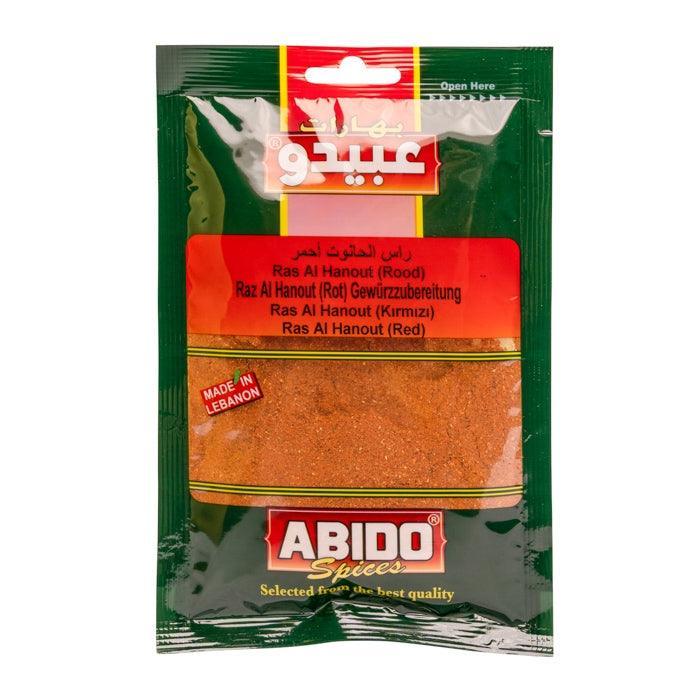
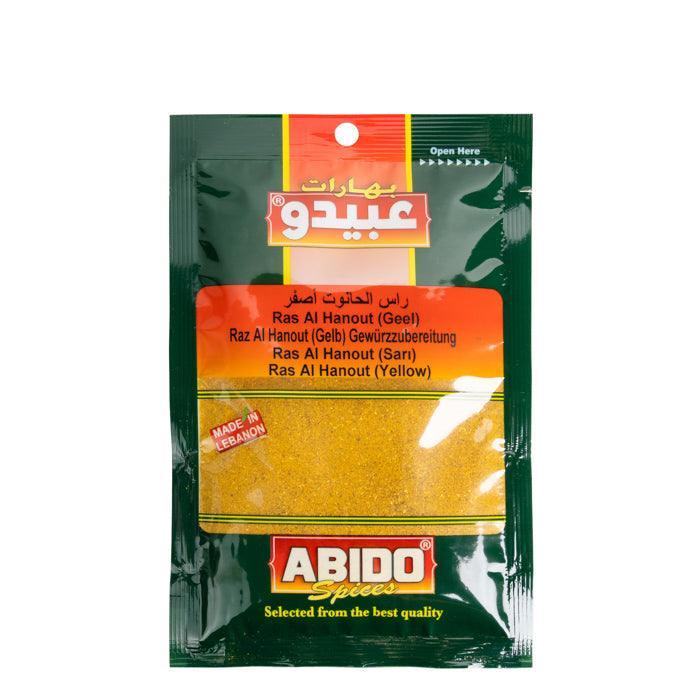
Many spice makers offer both a yellow and a red version of ras el hanout. Yellow ras el hanout owes its golden colour to turmeric and highlights ginger, cardamom and cinnamon, making it the classic choice for chicken tagine with preserved lemons and olives, harira soup and seven-vegetable couscous. Red ras el hanout incorporates sweet red paprika and a gentle touch of chilli, giving a rich colour and savoury warmth to lamb stews, spiced meatballs (kefta) and grilled skewers.
Cooking with Ras el Hanout
Because ras el hanout is fragrant and warming rather than fiery, it bridges savoury and sweet ingredients effortlessly. It is the essential seasoning for Moroccan lamb or beef tagines simmered with prunes, apricots, honey and toasted almonds, and works equally well rubbed with olive oil over roast chicken, root vegetables and chickpeas.