Arabic & Levantine Pantry Guide
Cumin (Kammun): The Essential Spice for Hummus, Falafel, Ful and Lentil Soup
Cumin (known in Arabic as kammun) is one of the foundational spices of Middle Eastern and North African cooking, prized for its warm, earthy and slightly citrusy aroma. Whole or ground, it is indispensable in chickpea, lentil and fava bean dishes such as hummus, falafel, ful medames, lentil soup and koshari.
Earthy Warmth and Toasting Whole Seeds
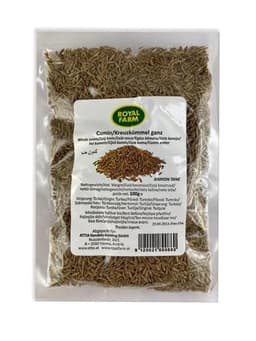
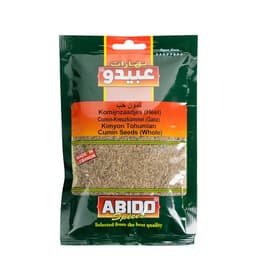
The dried seeds of Cuminum cyminum are slender, ridged and brownish-green, packed with essential oils that give Middle Eastern cuisine much of its unmistakable savoury warmth. While ground cumin is ready to stir straight into dips and batters, keeping whole cumin seeds in the pantry lets you toast them briefly in a dry skillet for thirty seconds until fragrant before crushing them in a mortar, yielding a deeper, nuttier aroma than pre-ground spice alone.
The Natural Partner for Legumes and Fish
Across the Levant and Egypt, cumin is paired with every kind of legume: it seasons hot morning bowls of ful medames, freshly ground falafel dough, creamy hummus bi tahina, golden red lentil soup and the garlicky vinegar dakka poured over Egyptian koshari. Alongside crushed garlic, lemon juice and ground coriander, cumin is also the classic seasoning for pan-fried or grilled fish and coastal sayadieh fish-and-rice.
In Spice Blends, Shakshuka and Herbal Infusions
Cumin forms the savoury backbone of regional blends including kabsa spice, ras el hanout, Egyptian dukkah and North African harissa, and gives shakshuka tomato sauce its signature depth. Whole cumin seeds are also simmered with lemon slices across the Arab world to make a soothing, aromatic hot infusion after meals.