Arabic & Levantine Pantry Guide
Coriander Seeds & Ground Coriander (Kuzbara): Key to Mulukhiya and Falafel
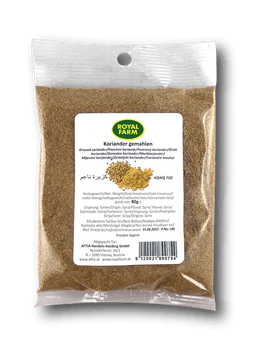
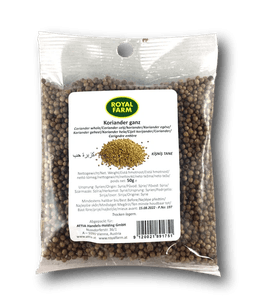
Dried coriander seeds (known in Arabic as kuzbara nashfa) offer a warm, nutty and gently citrusy flavour that is completely different from fresh coriander leaves. Crushed into falafel batter and Egyptian dukkah or sizzled with garlic in ghee over mulukhiya, coriander seed is a cornerstone of Middle Eastern cooking.
Warm Citrus Notes Unlike Fresh Cilantro Leaves
When the round seeds of the coriander plant ripen and dry, their aroma shifts entirely away from the pungent, herbaceous character of fresh cilantro leaves. Dried coriander seeds develop a mellow, floral warmth reminiscent of toasted nuts and orange peel, meaning even people who dislike fresh cilantro enjoy ground coriander in savoury dishes. Toasting whole seeds in a dry pan for less than a minute before crushing releases their fragrant oils.
The Sizzling Garlic-Coriander Topping (Tasha / Qaliet el-Toum)
Across the Levant and Egypt, the combination of crushed garlic and ground coriander fried in hot ghee or olive oil is legendary. Known as qaliet el-toum in the Levant and tasha in Egypt, this fragrant sizzling mixture is poured straight from the skillet into a pot of bubbling mulukhiya, spinach stew, shish barak yogurt dumplings or lemon-lentil soup just before serving.
In Falafel, Dukkah, Fish Rubs and Spice Blends
Coarsely cracked coriander seeds give traditional chickpea falafel its aromatic crunch, and form the base of Egyptian dukkah alongside sesame seeds, hazelnuts and cumin. Ground coriander also balances the earthiness of cumin in fish marinades, batata harra spiced potatoes, kabsa spice and shawarma blends.