Arabic & Levantine Pantry Guide
Mutabbal: Smoky Levantine Roasted Aubergine and Tahini Dip
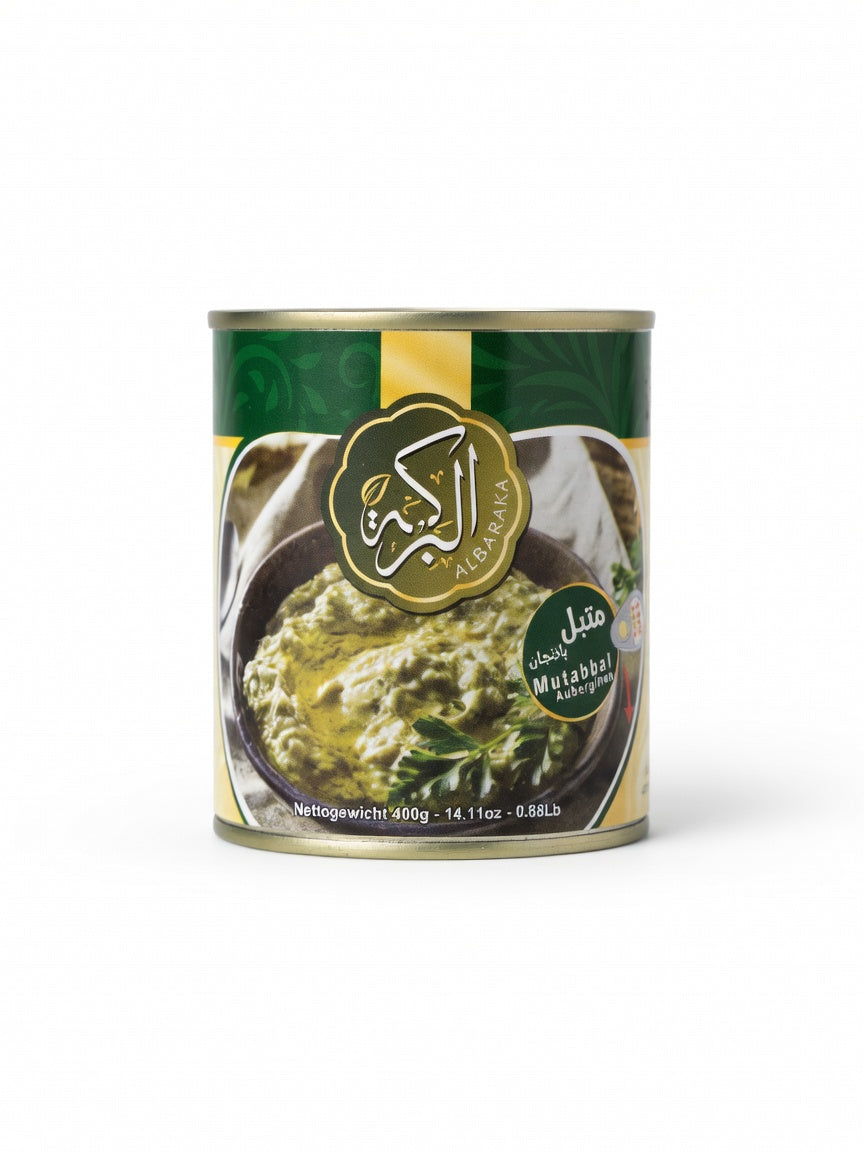
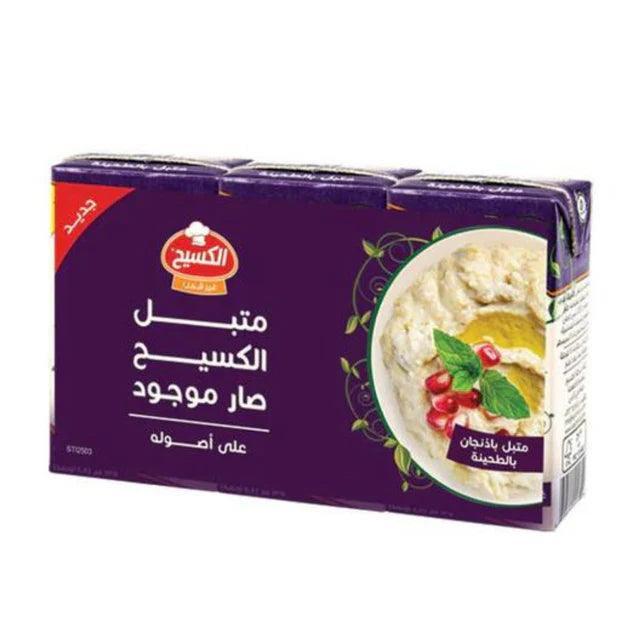
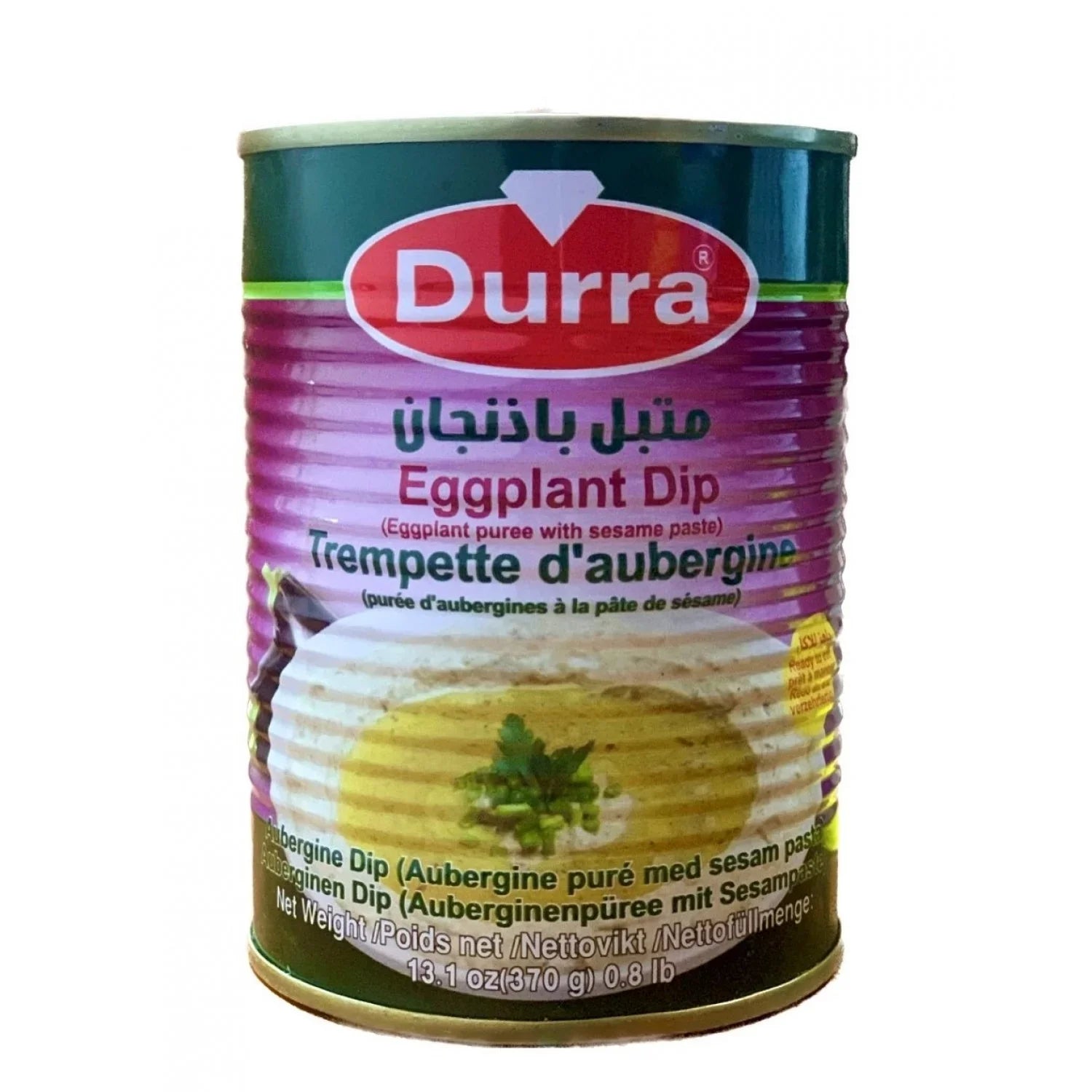
Mutabbal is a classic cold mezze dip from the Levant made by mashing flame-charred aubergine flesh with tahini, fresh lemon juice, garlic and sometimes a spoonful of yoghurt. Prized for its smoky depth and creamy texture, it is served drizzled with olive oil and topped with pomegranate seeds alongside warm flatbread.
Charred Skin and Hand-Mashed Texture
The signature flavour of mutabbal comes from charring whole aubergines directly over an open gas burner, hot coals or a fierce oven grill until the skin blisters and blackens completely. As the skin burns, the pale flesh inside steams until collapsed and absorbs a deep wood-smoke aroma. Once peeled and drained in a colander, the flesh is mashed by hand with a fork or wooden pestle rather than blended in a food processor, keeping a rustic, silky texture when folded with tahini, lemon juice and crushed garlic.
Mutabbal vs Baba Ghanoush in the Levant
Outside the Middle East the two names are often swapped, but across Syria, Lebanon, Palestine and Jordan they refer to two distinct aubergine dishes. Mutabbal is always the pale, creamy dip bound with tahini (and optionally a touch of yoghurt). Baba ghanoush, by contrast, is a vibrant salad of smoky chopped aubergine tossed with diced tomatoes, bell peppers, spring onions, parsley, walnuts, olive oil and tangy pomegranate molasses, without any tahini.
Serving on the Mezze Table
Mutabbal is spread across a shallow plate in swirling ridges to catch a generous pool of extra-virgin olive oil and a ribbon of pomegranate molasses, then scattered with jewel-like pomegranate arils, sumac or chopped parsley. Alongside hummus, muhammara and tabbouleh, it is an essential companion to charcoal-grilled meats, kebabs and fresh Arabic bread.