Arabic & Levantine Pantry Guide
Hummus bi Tahina (Msabbaha): The Iconic Mezze Classic and How to Dress It
Hummus with tahini (known in Arabic as hummus bi tahina or msabbaha) is the undisputed centrepiece of the Middle Eastern mezze table. Whipped from tender chickpeas, stone-ground sesame tahini, lemon juice and garlic, it is enjoyed for breakfast with warm flatbread, alongside falafel or topped with spiced lamb.
Smooth Hummus, Msabbaha and Damascus Qudsiyeh
Across Syria, Lebanon, Palestine and Jordan, hummus is not merely a party snack – it is a cherished morning and evening meal eaten scooped up with triangles of warm pita bread. Classic hummus bi tahina is whipped until pale and silky smooth. Msabbaha (also spelled masbaha, meaning 'swimming') features warm whole chickpeas folded into a generous pool of lemony tahini sauce and garlic. In Damascus, cooks also serve qudsiyeh, pairing creamy hummus with hot ful medames in the same bowl.
Classic Toppings: Olive Oil, Sumac, Tatbileh and Pine Nuts
To plate hummus the traditional way, use the back of a spoon to swirl the purée into a shallow well around the rim of a flat plate. Pour a generous puddle of extra-virgin olive oil into the centre and scatter over whole cooked chickpeas, crimson sumac, Aleppo pepper, ground cumin and chopped parsley – or a spoonful of Palestinian tatbileh (crushed green chili, garlic and lemon). For a hearty main course, top the plate with sizzling minced lamb and toasted pine nuts browned in ghee.
Upgrading Ready-to-Eat Canned Hummus in Two Minutes
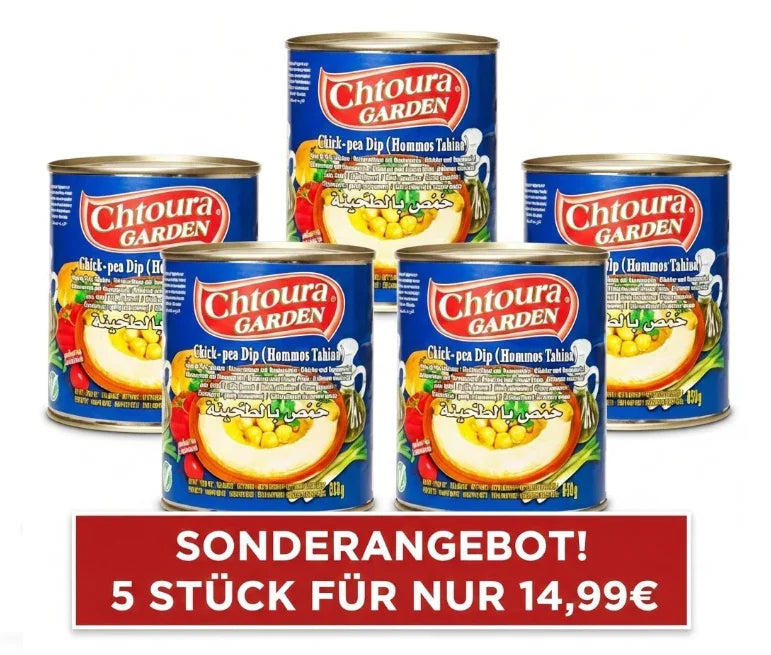
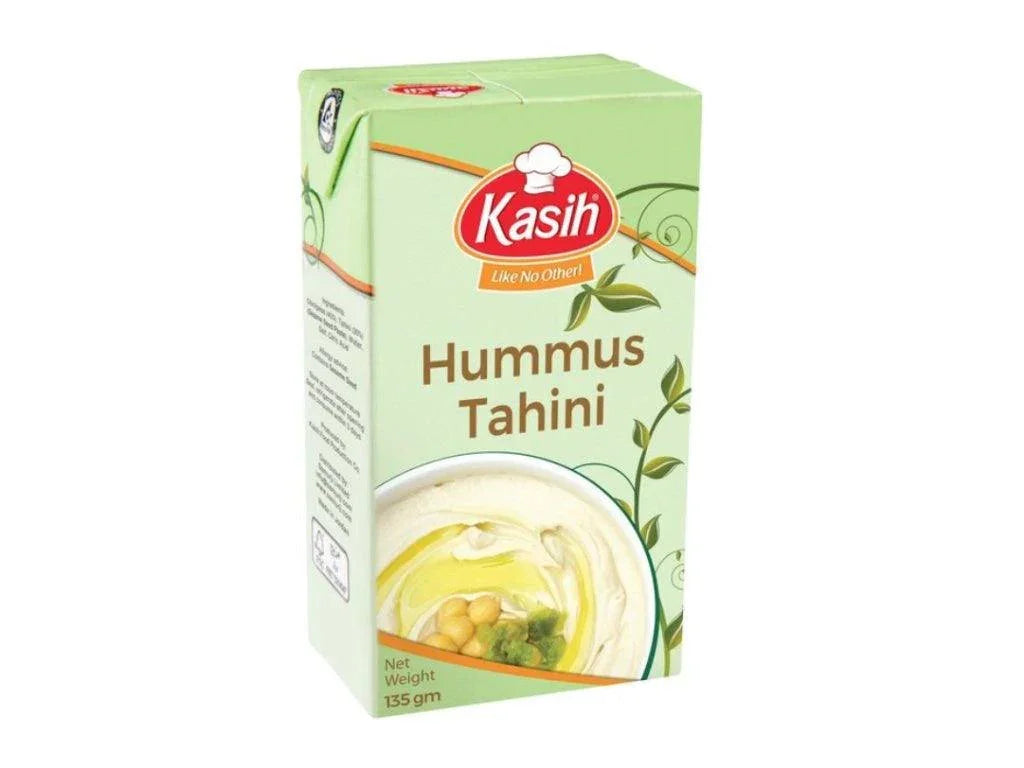
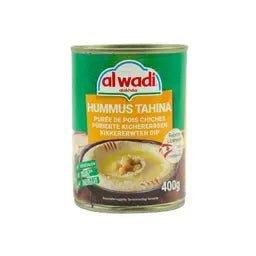
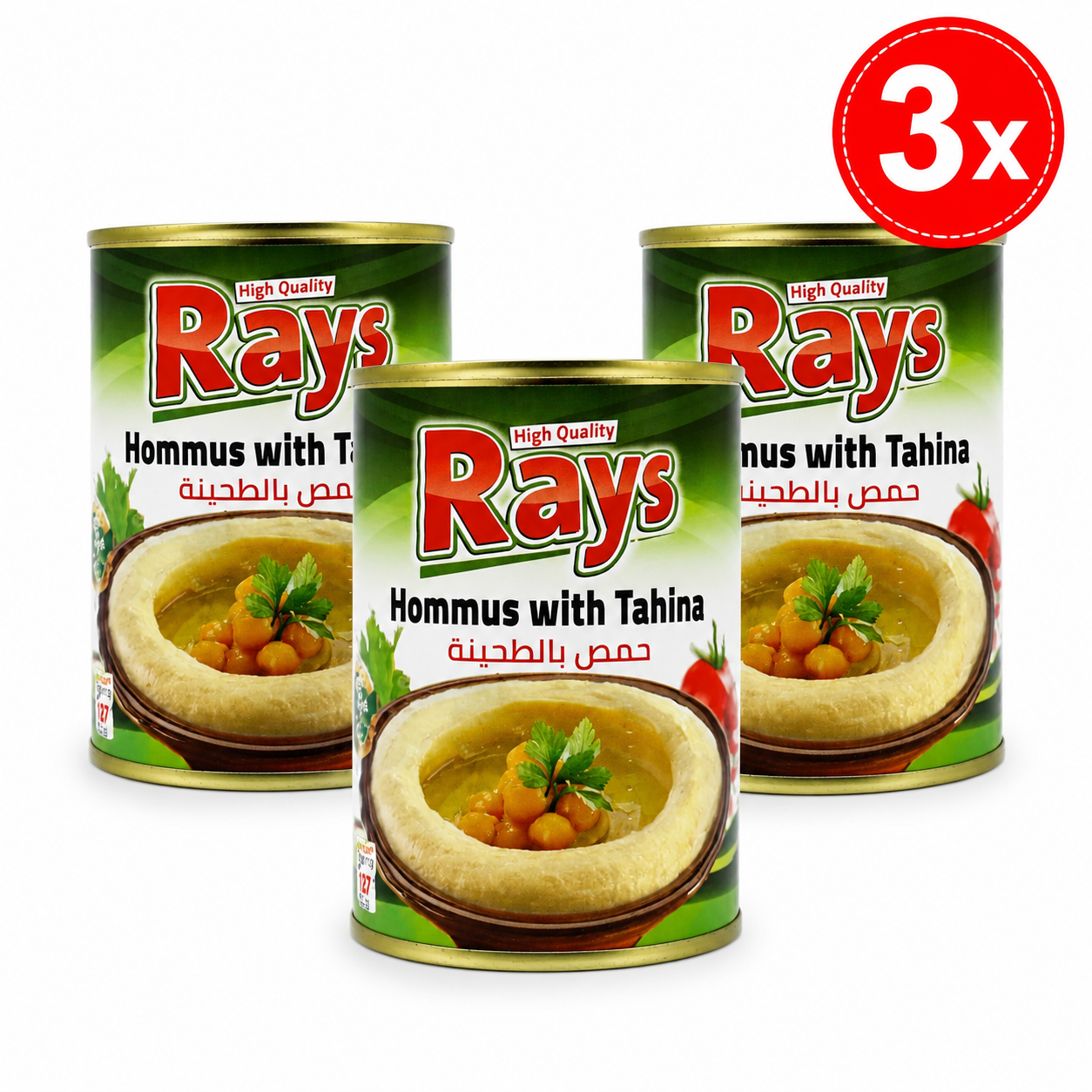
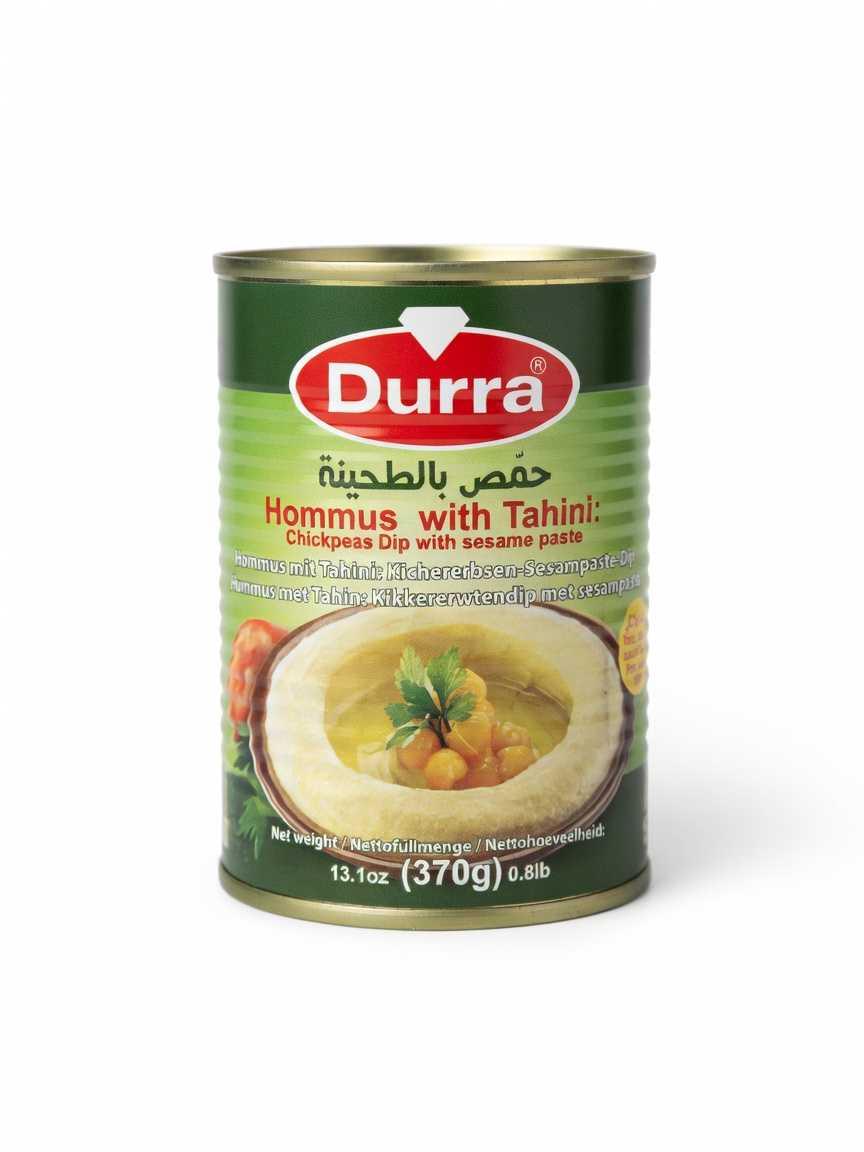
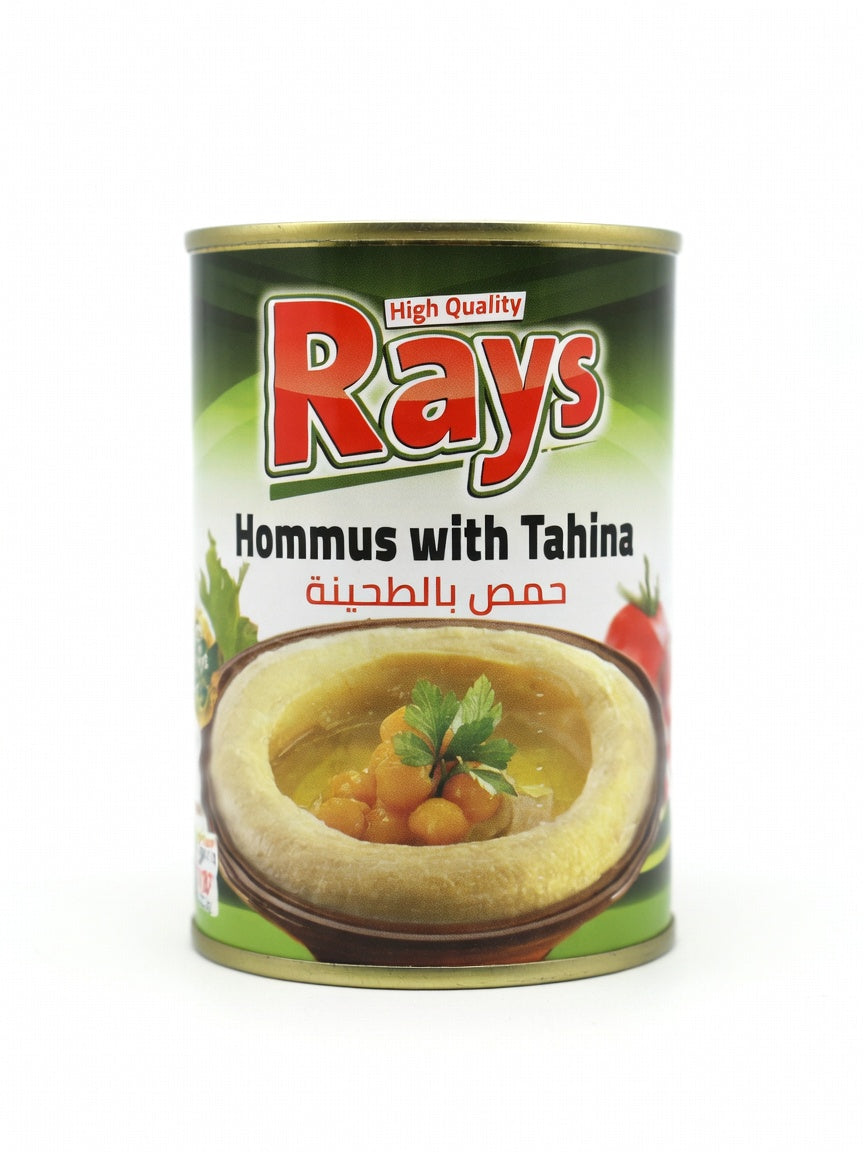
Ready-to-eat canned or tubbed hummus with tahini is an effortless pantry staple for busy mornings, work lunches and travel. To give canned hummus the airy texture and bright flavour of a Beirut or Amman hummus shop, empty the tin into a mixing bowl, add one tablespoon of pure tahini, a squeeze of fresh lemon juice and two tablespoons of ice-cold water, then whisk briskly for a minute before plating with olive oil.