Couscous & Couscous Spice Blends in North African and Arabic Cooking
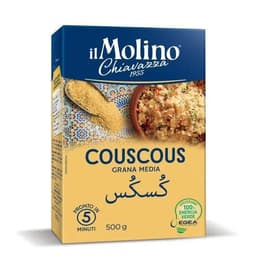
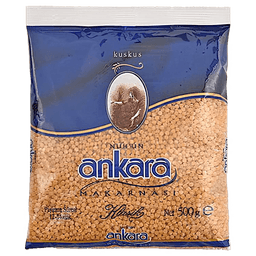
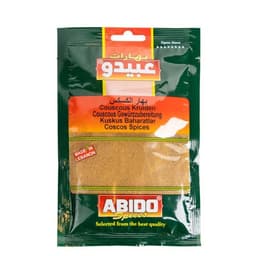
Steamed durum wheat semolina couscous is the centerpiece of Friday family tables across Morocco, Algeria and Tunisia, alongside Turkish kuskus and Levantine moghrabieh pearls. Seasoned with couscous spice and ras el hanout, the fluffy grains soak up rich vegetable, chickpea and bean broths.
Medium couscous versus Turkish kuskus and Levantine moghrabieh
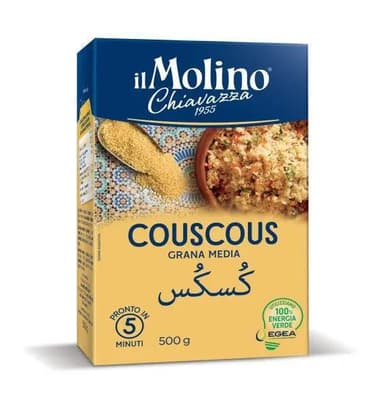
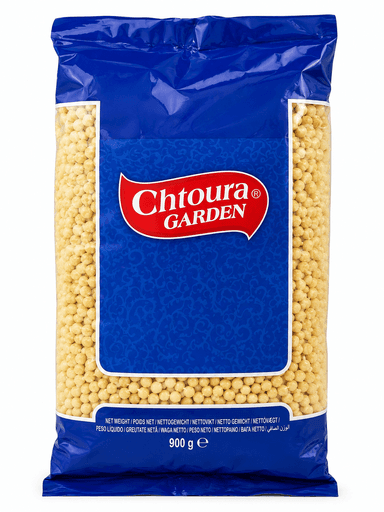
Medium-grain durum couscous is the everyday kitchen favourite across North Africa and France: light enough to fluff with a fork in five minutes, yet sturdy enough to carry rich lamb or seven-vegetable broths and bright herb salads. Larger pasta-style Turkish kuskus beads suit pilafs and soups, while pea-sized Lebanese and Syrian moghrabieh pearls simmer slowly alongside chicken, pearl onions and chickpeas.
Couscous seasoning alongside red and yellow ras el hanout
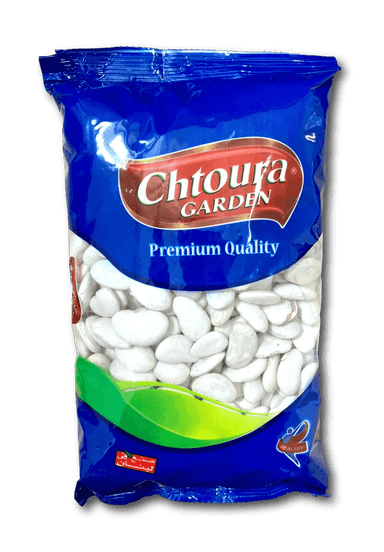
Authentic couscous broth layers ground couscous spice with either golden yellow ras el hanout (led by turmeric, ginger and warm aromatics) or deeper red ras el hanout. At the table, diners ladle extra hot broth spiked with harissa over tender chickpeas, buttery giant white lima beans or caramelized onions and raisins.
Coating the dry grains in olive oil so couscous never clumps
Before adding boiling water to pre-steamed medium couscous, rub a tablespoon of olive oil and a pinch of salt through the dry grains so every bead is lightly coated. Pour over an equal volume of boiling water, cover tightly for five minutes, then fluff gently with a fork and a small knob of butter or ghee.