Arabic & Levantine Pantry Guide
Semolina (Smeed) for Arabic Baking: Coarse, Medium and Fine Grades Explained
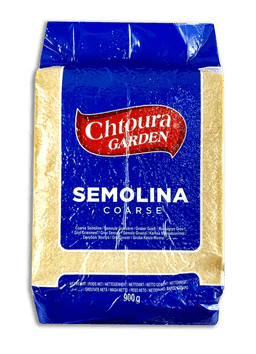
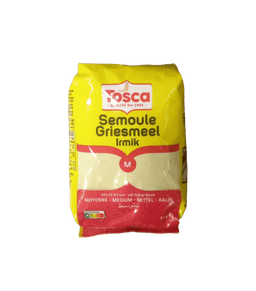
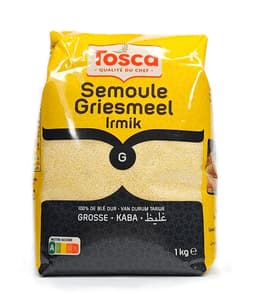
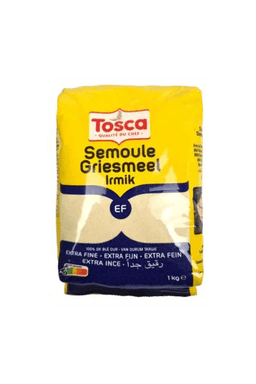
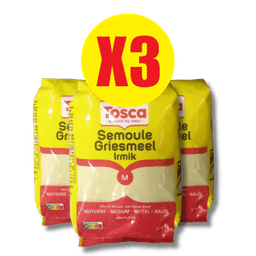
Golden durum wheat semolina (known in Arabic as smeed) is the backbone of Middle Eastern pastry making, from syrup-soaked basbousa to date-filled maamoul cookies and halawet el-jibn. Arabic grocers stock three precise grinds – coarse, medium and fine (farkha) – each tailored to specific desserts.
The Three Semolina Grinds: Khishen, Wasat and Naem (Farkha)
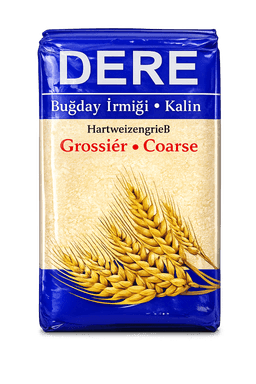
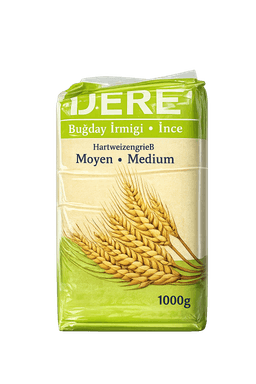
In Middle Eastern baking, choosing the right grind of amber durum wheat semolina makes all the difference to texture. Coarse semolina (smeed khishen) has large, distinct granules that stay pleasantly toothsome even after soaking in sugar syrup; medium semolina (smeed wasat) offers a balanced, sandy crumb; and fine semolina (smeed naem, widely called farkha in the Levant) is milled almost as fine as flour while retaining the golden colour and structure of hard wheat.
Matching the Right Grind to Basbousa, Maamoul and Puddings
Use coarse semolina for dense, syrup-drenched Syrian harissa (nabkiyeh) and Lebanese namoura. Reach for medium semolina when baking classic yogurt-and-coconut basbousa or diamond-shaped North African makroudh. For melt-in-the-mouth maamoul cookies, bakers blend fine farkha semolina with medium semolina, while fine semolina alone is essential for stretchy sweet cheese rolls (halawet el-jibn), creamy layali lubnan pudding and fine-dough kunafa.
The 'Bass' Technique: Rubbing Semolina with Warm Ghee
A golden rule of Arabic semolina baking is called bass: rubbing the dry semolina granules thoroughly with melted ghee or butter using your fingertips before adding any liquid such as yogurt, milk or blossom water. Coating each grain in fat limits gluten development once liquids are stirred in, giving a tender, crumbly texture rather than a tough or rubbery cake.