Arabic & Levantine Pantry Guide
What is bulgur? Fine vs coarse, white vs brown and how to cook it
Bulgur is durum wheat that has been parboiled, dried and cracked into different grain sizes. Because it is already precooked, fine bulgur softens simply by soaking for tabbouleh and kibbeh dough, while coarse bulgur simmers into a fluffy pilaf in about 15 minutes.
How bulgur is made and the difference between fine and coarse
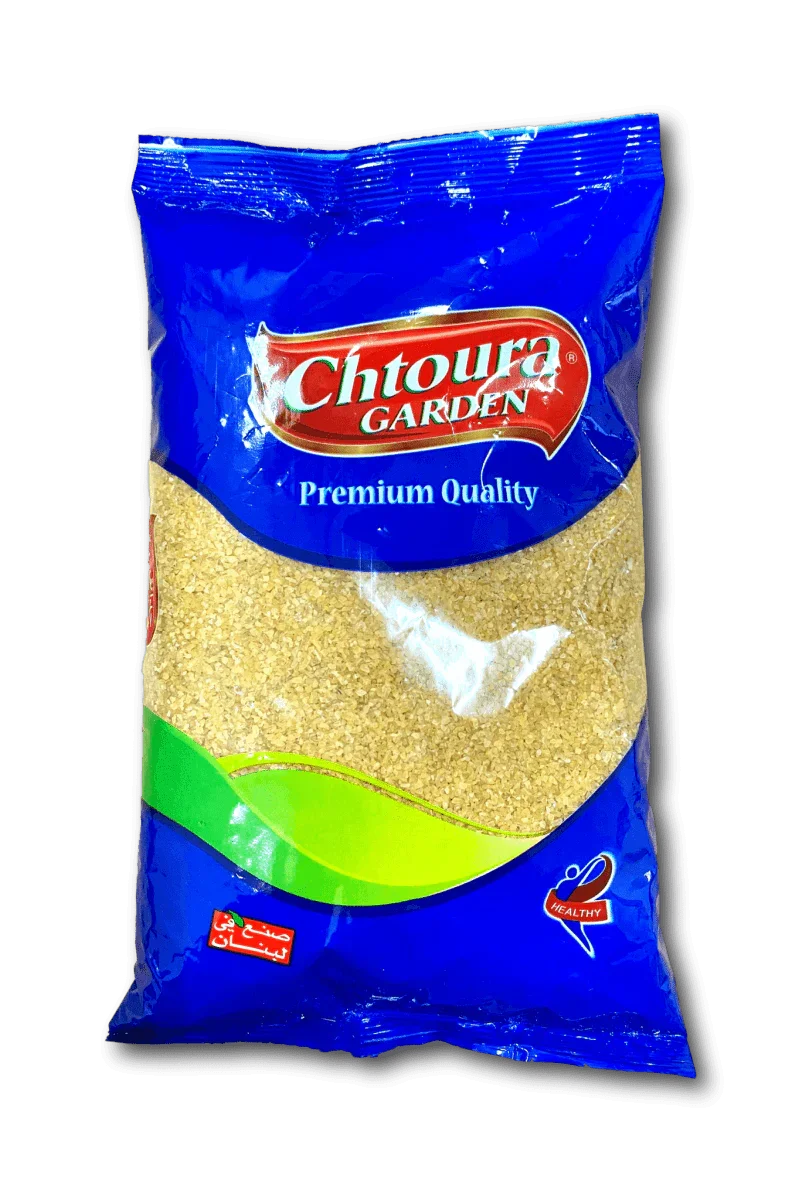
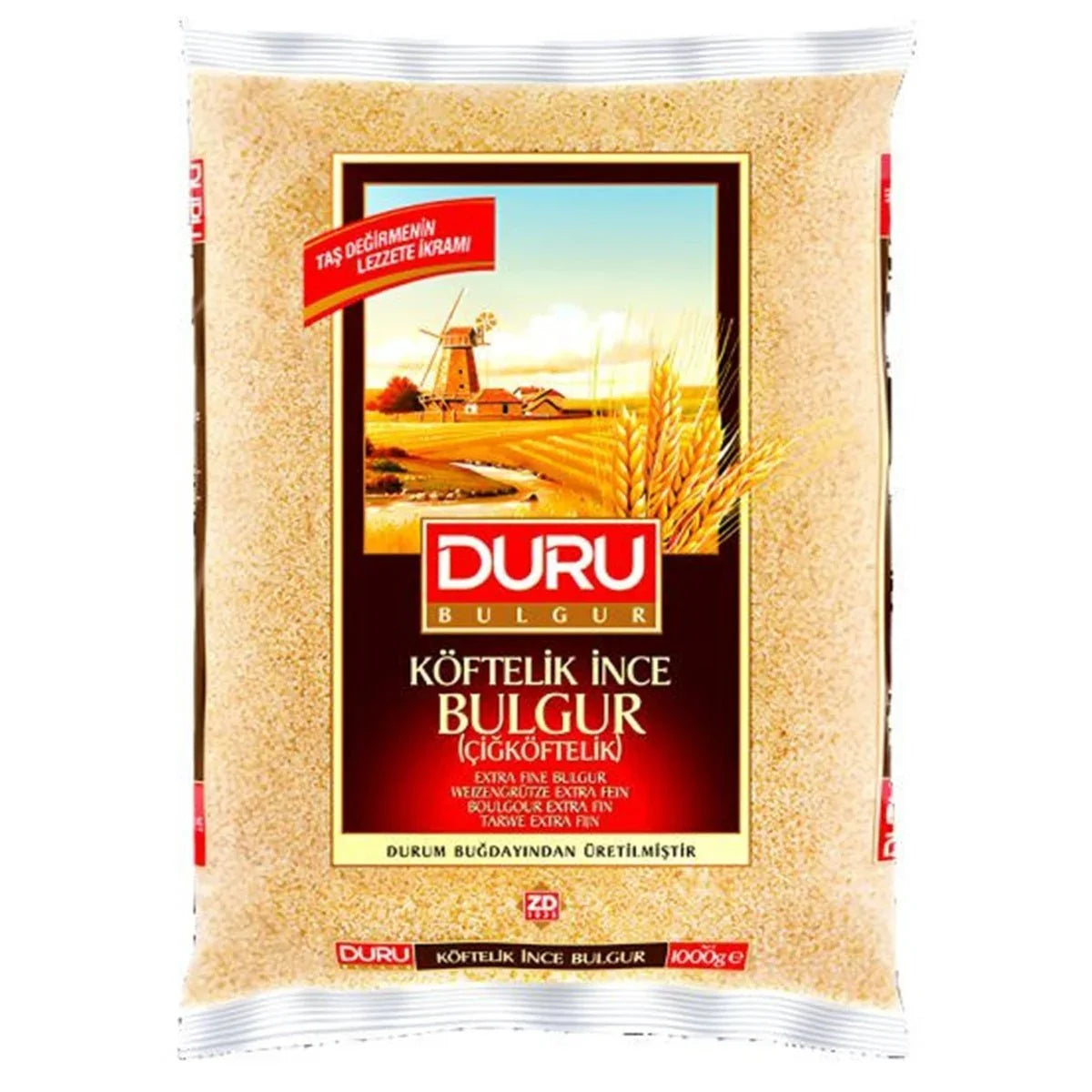
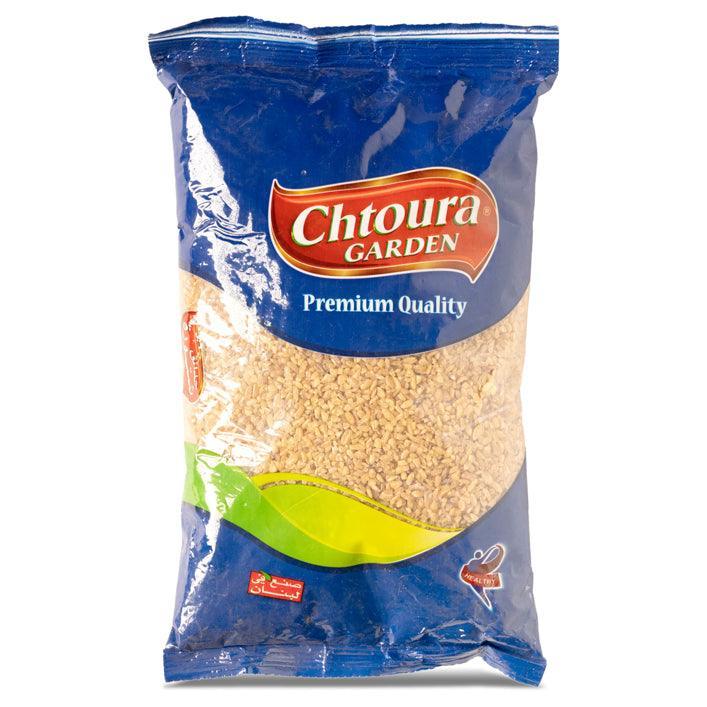
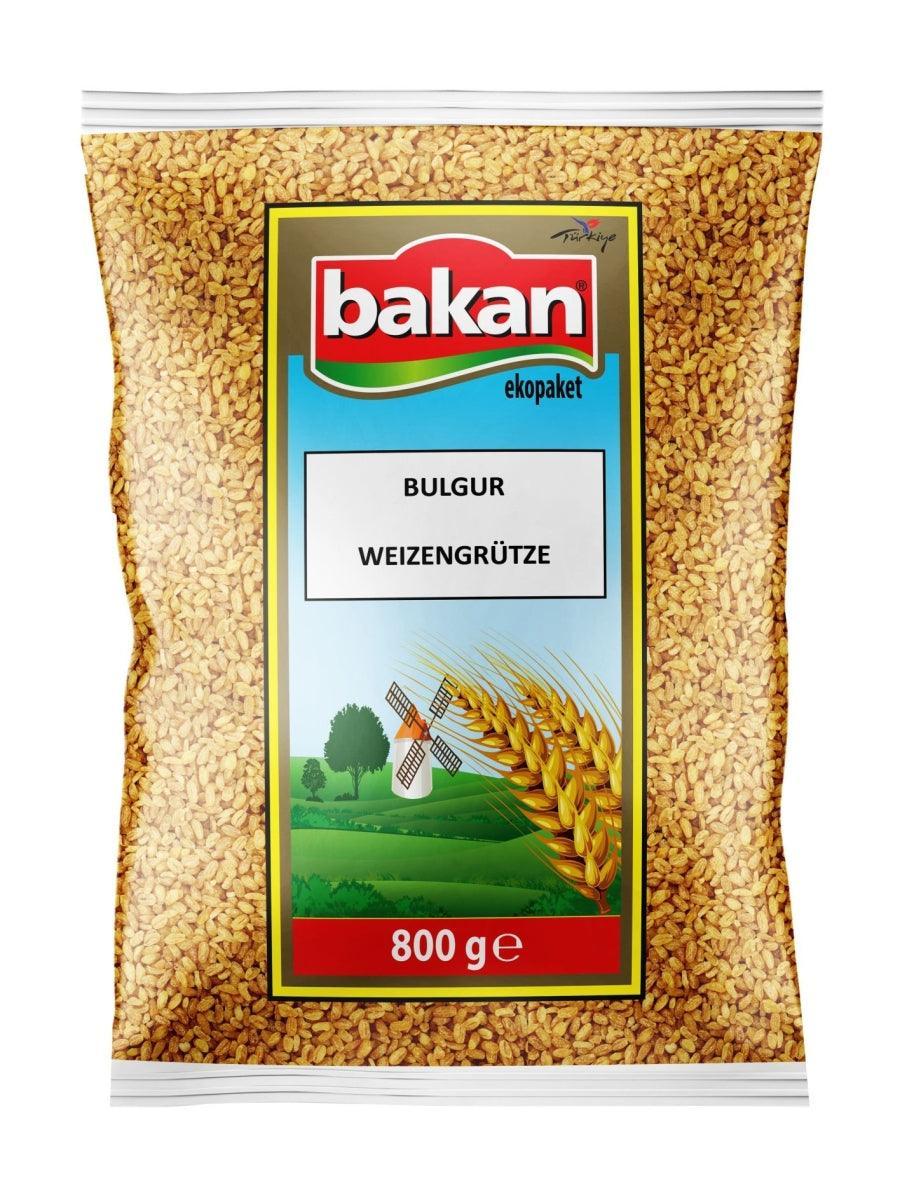
To make bulgur, whole durum wheat kernels are boiled in large cauldrons until tender, spread out in the sun to dry, rubbed to remove part of the bran and cracked between millstones before being sifted by size. Fine bulgur (#1) has the texture of coarse sand: it needs no stove-top cooking and softens in 10 to 15 minutes in cold water or lemon and tomato juice, making it essential for Levantine tabbouleh and for kneading into kibbeh shells. Coarse bulgur consists of large cracked pieces that are cooked in a pot like rice.
White vs brown bulgur and classic Arabic dishes
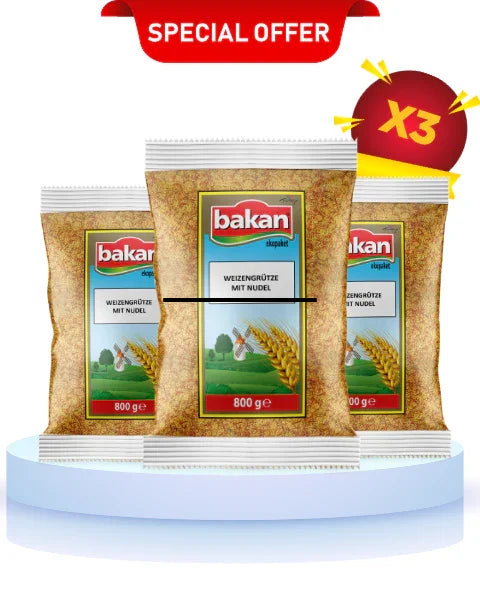
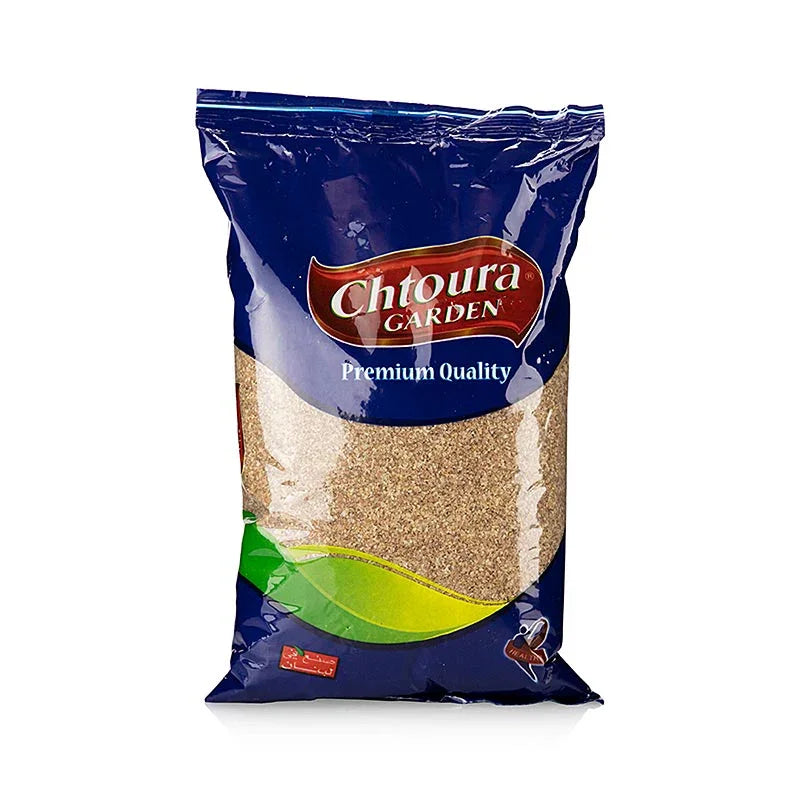
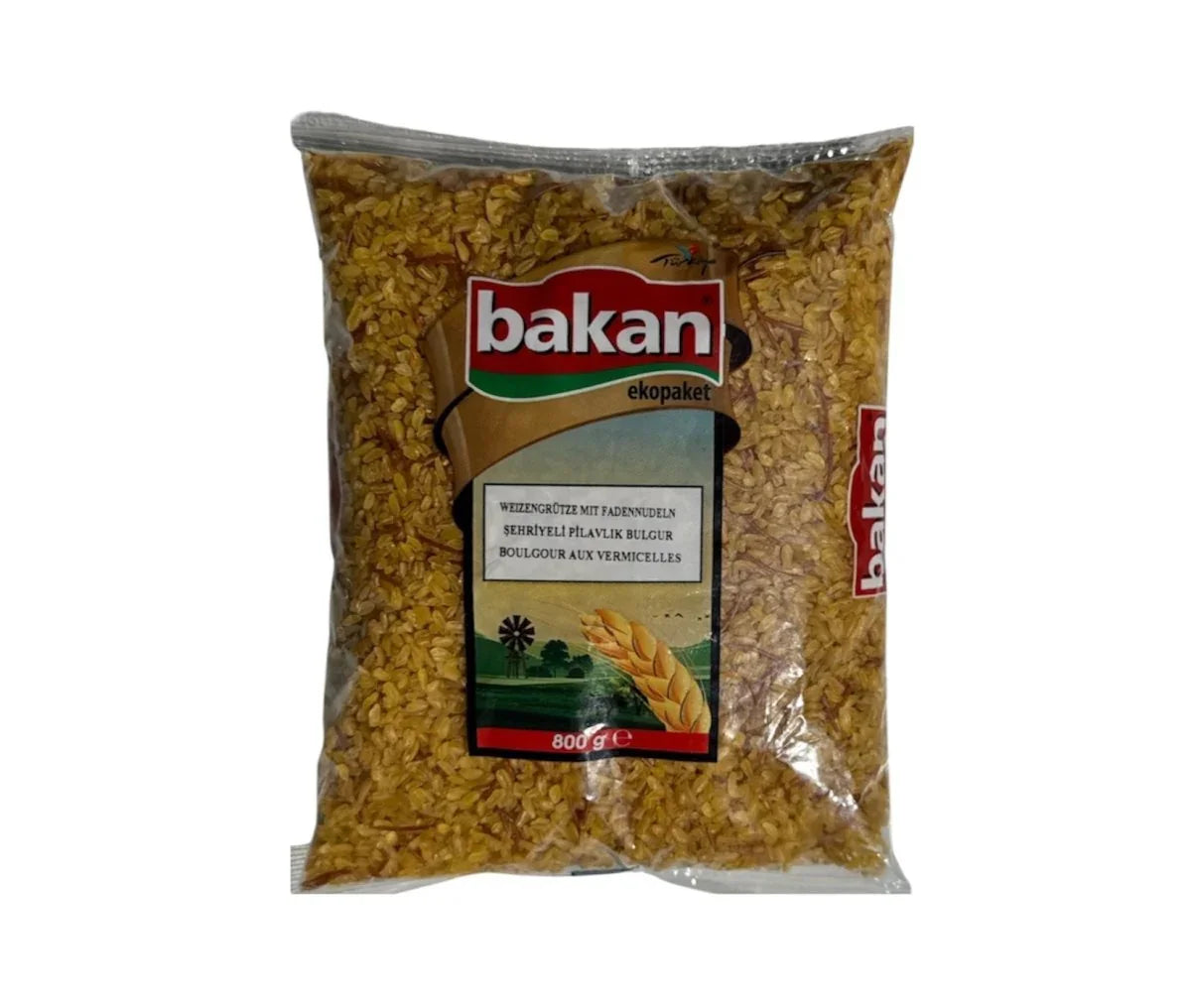
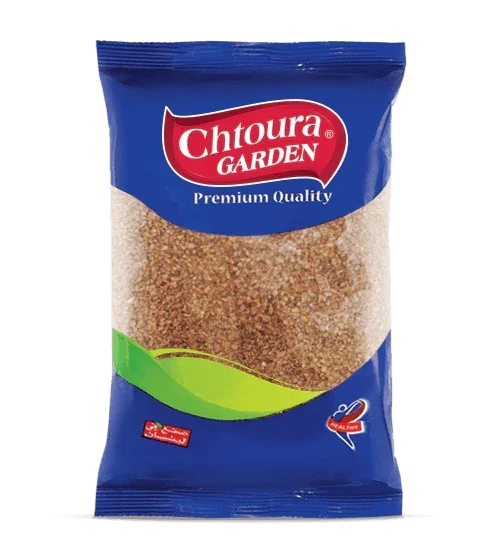
In Middle Eastern shops you will find both golden-white bulgur and dark brown bulgur. Brown bulgur is milled from a darker red durum wheat variety with a deeper, earthier wheat flavour prized in Aleppine kibbeh and lentil mujaddara. For everyday family meals, coarse bulgur is toasted in ghee with broken vermicelli noodles and steamed in stock alongside stews, or simmered with chopped tomatoes, onions and chickpeas to make burghul bi banadoura.