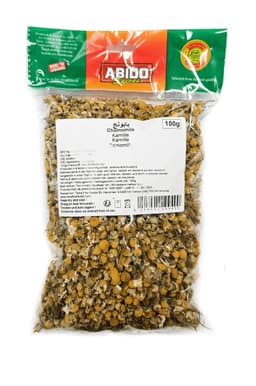
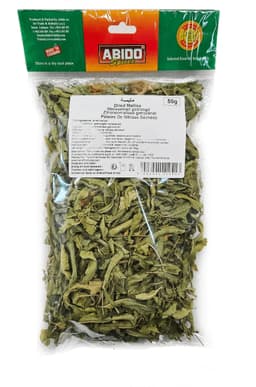
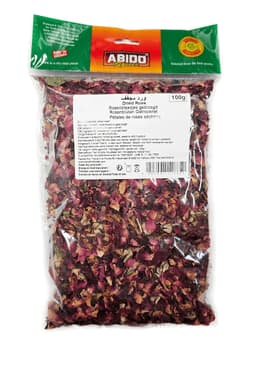
What is zhourat? Levantine herbal and floral tea blend
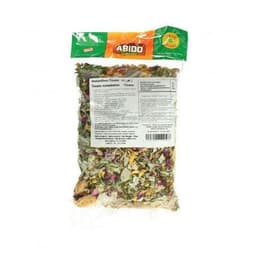
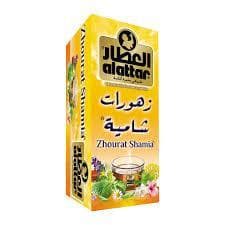
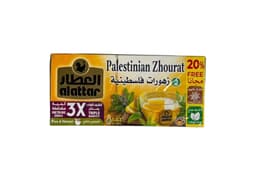
Zhourat is a traditional, naturally caffeine-free Levantine infusion blended from dried whole blossoms, aromatic leaves and seeds such as damask rose, chamomile, lemon balm and aniseed. Across Syria, Lebanon, Palestine and Jordan, it is brewed in a covered pot on cosy evenings.
What herbs and flowers go into traditional zhourat?
Named after the Arabic word for flowers, zhourat stands out for its colourful mix of whole dried buds, leaves and seeds rather than finely powdered dust. Every spice merchant in Damascus, Aleppo, Tripoli or Jerusalem guards a slightly different house balance, typically combining fragrant rosebuds, golden chamomile heads, lemon verbena or lemon balm, mint, linden blossoms, wild thyme or hyssop and sweet aniseed, occasionally accented with sage or hibiscus petals.
How to steep zhourat without bitterness
Delicate blossoms turn bitter and lose their perfume if boiled hard over the stove. For a clear, fragrant cup, give loose zhourat a brief rinse under cold water if desired, place one generous tablespoon per two cups into a teapot, pour freshly boiled water over the herbs and put the lid straight on. Let it steep off the heat for 5 to 7 minutes, strain into tea glasses and serve plain or lightly sweetened with honey or sugar.
Loose botanicals versus tea bags, and how to store them
In Levantine homes, a steaming pot of zhourat is brought out after dinner alongside sesame kaak biscuits, roasted nuts or dried fruit. Loose-leaf blends showcase whole rosebuds and chamomile flowers for sharing from a teapot, while finely cut tea bags offer the same floral character for a quick single mug. Store zhourat in an airtight tin or jar away from sunlight and kitchen steam.