Arabic & Levantine Pantry Guide
Anise (Yansoon): Sweet Aromatic Seeds for Levantine Pastries and Herbal Tea
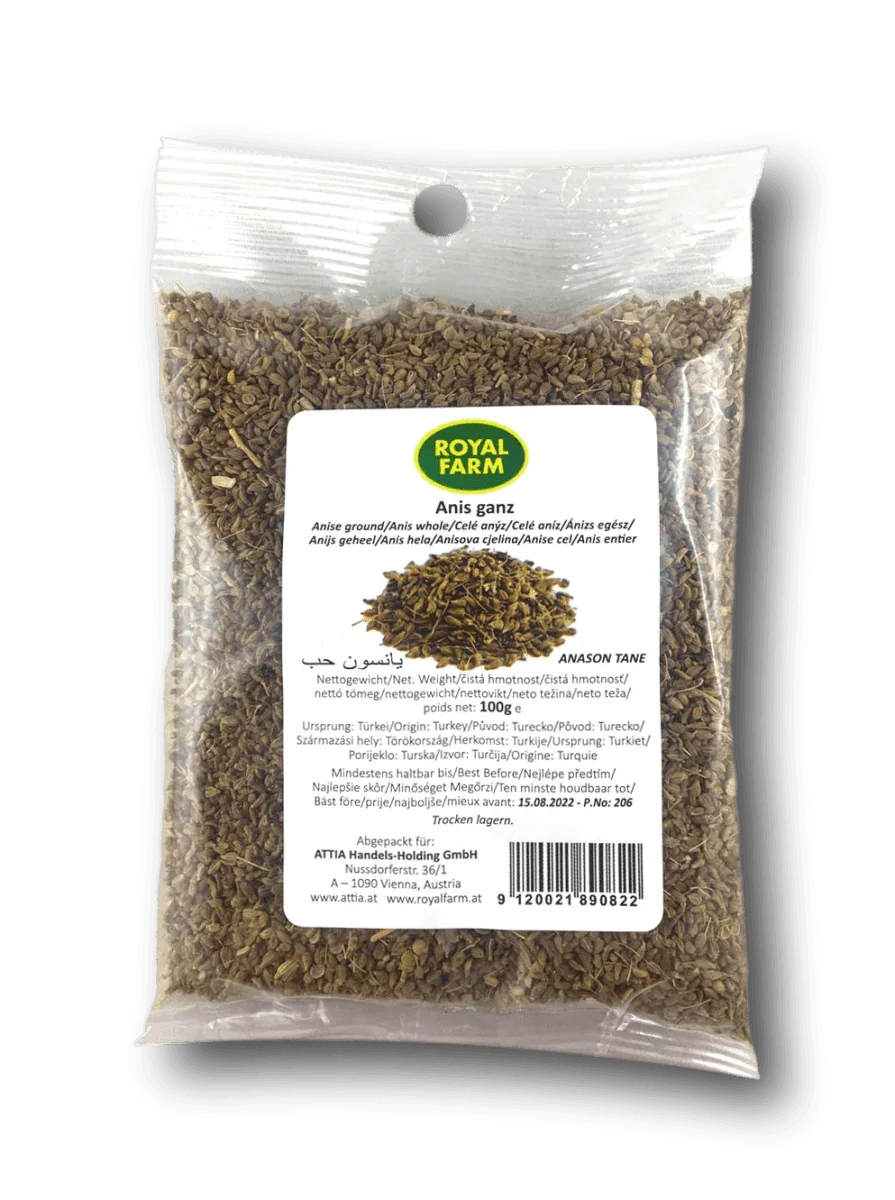
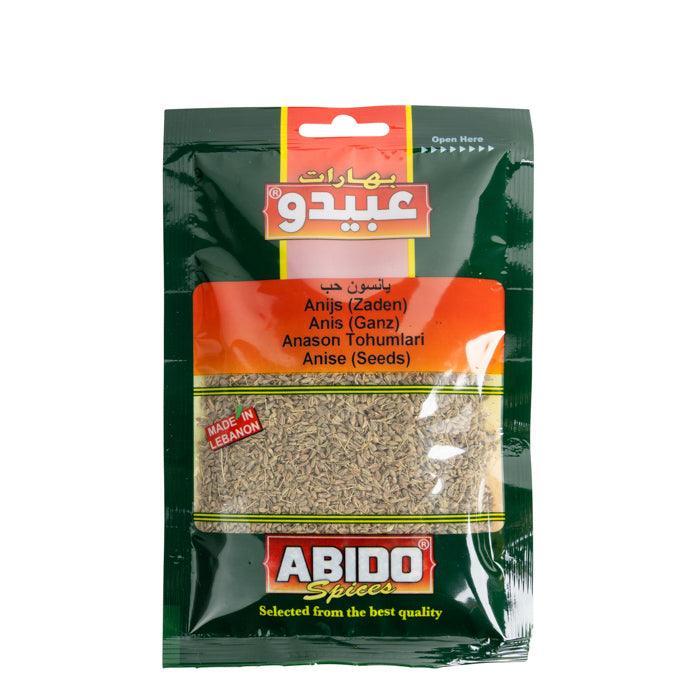
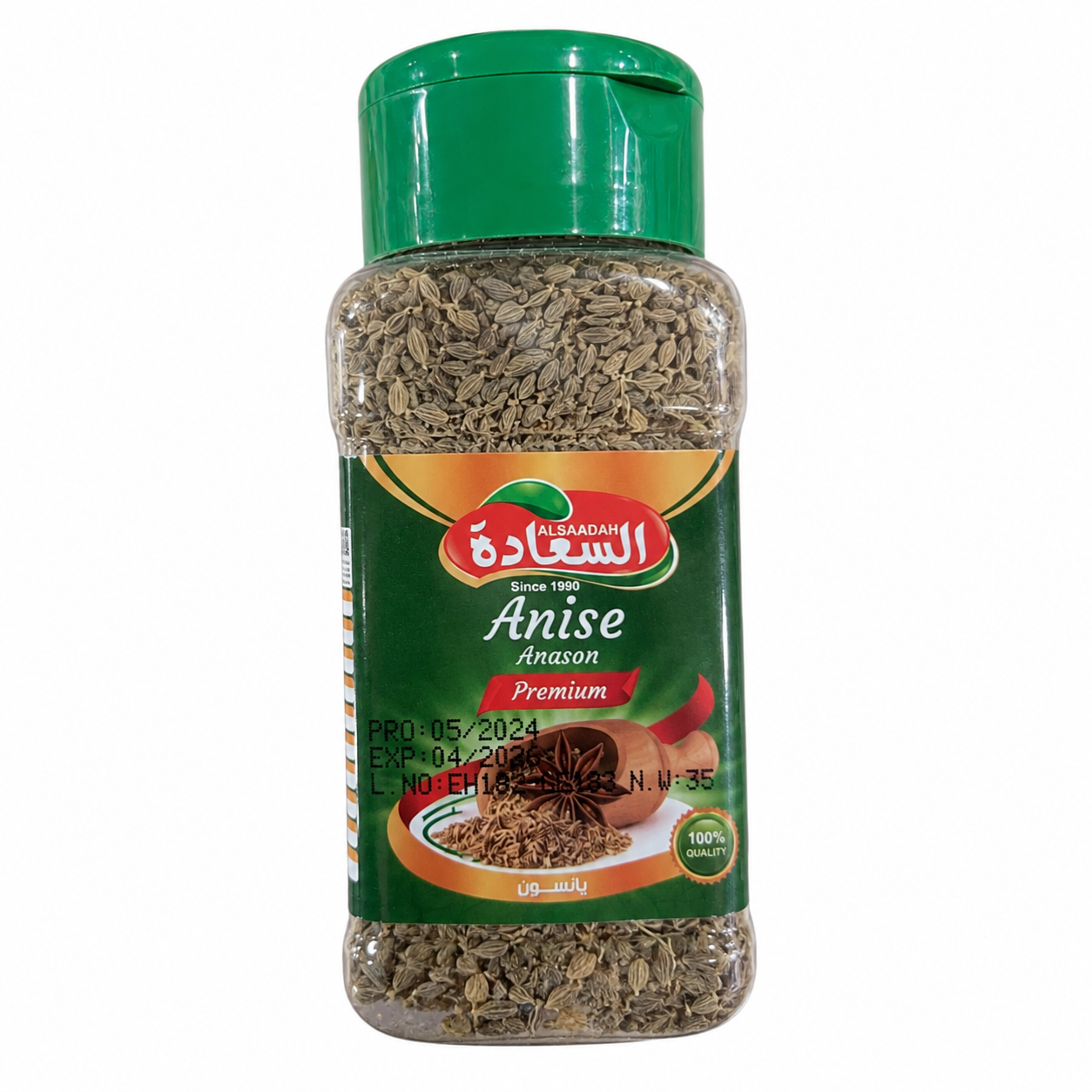
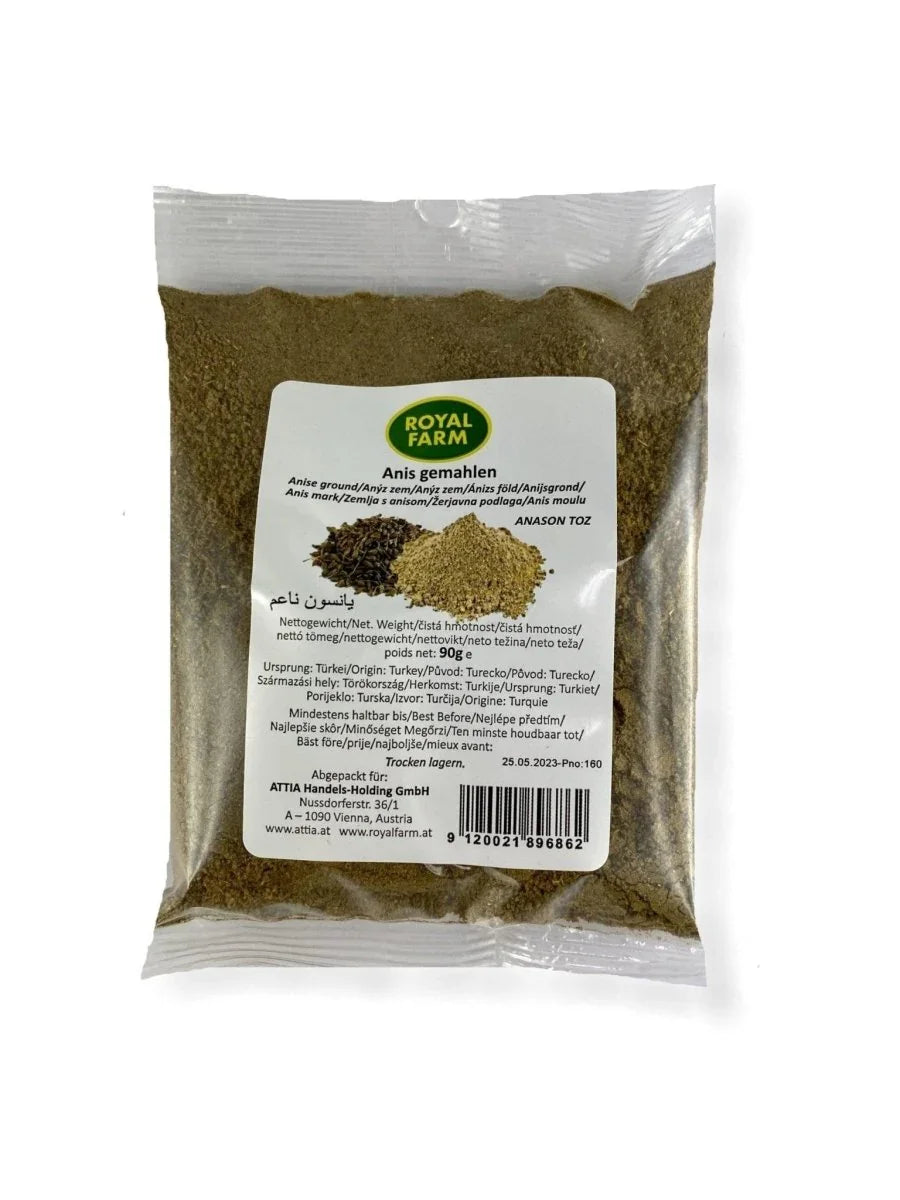
Anise (known in Arabic as yansoon) produces small, grey-green seeds with a gentle, sweet liquorice fragrance. Used whole and ground across the Levant and Egypt, it is the signature spice in Eid date cookies (ka'ak), crisp aniseed biscuits and soothing evening teas, while whole star anise perfumes savoury rice and broths.
Green Aniseed vs Star Anise
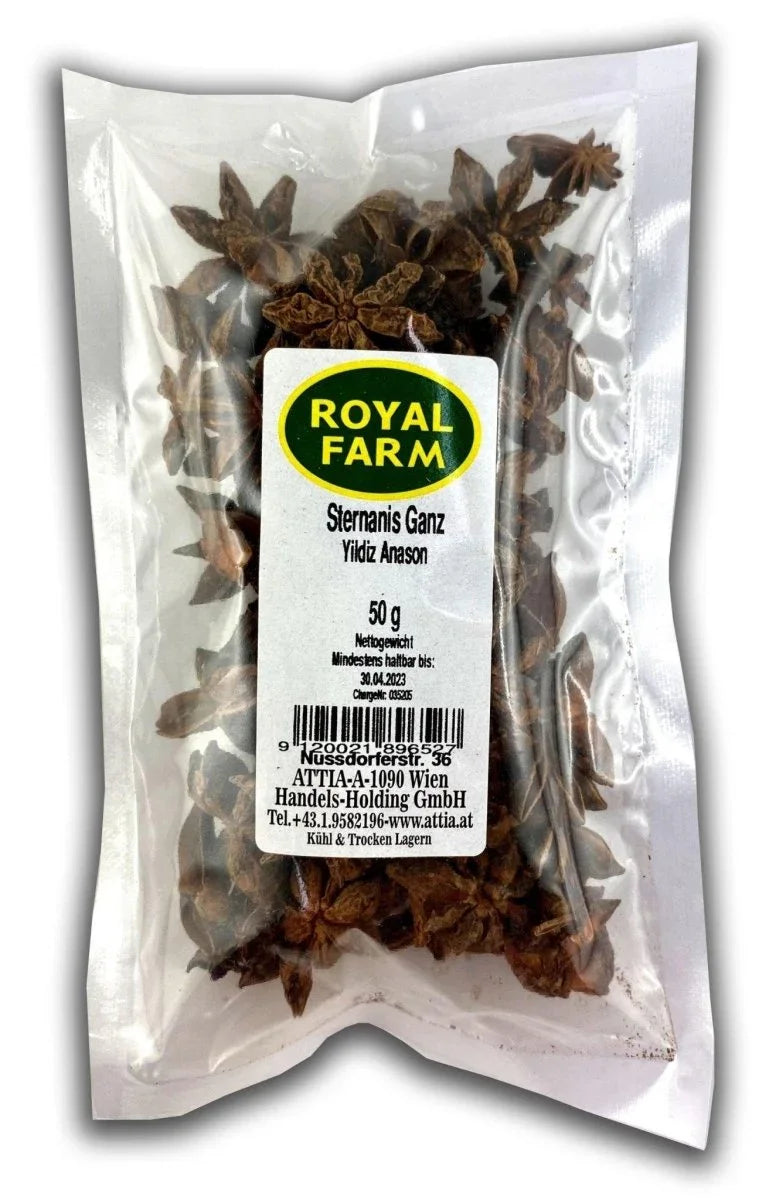
While both owe their warm, sweet-herbal aroma to the natural compound anethole, green aniseed and star anise come from two unrelated plants. Green anise (Pimpinella anisum), native to the eastern Mediterranean, yields tiny teardrop-shaped seeds that are kneaded whole or ground into breads, biscuits and cookies or steeped for herbal tea. Star anise (Illicium verum) is a woody, eight-pointed star-shaped pod with a bolder, slightly spicy depth; a single whole pod is simmered in meat stocks, spiced rice pilafs and mulled drinks, then lifted out before serving.
Baking Ka'ak, Aniseed Breads and Meghli
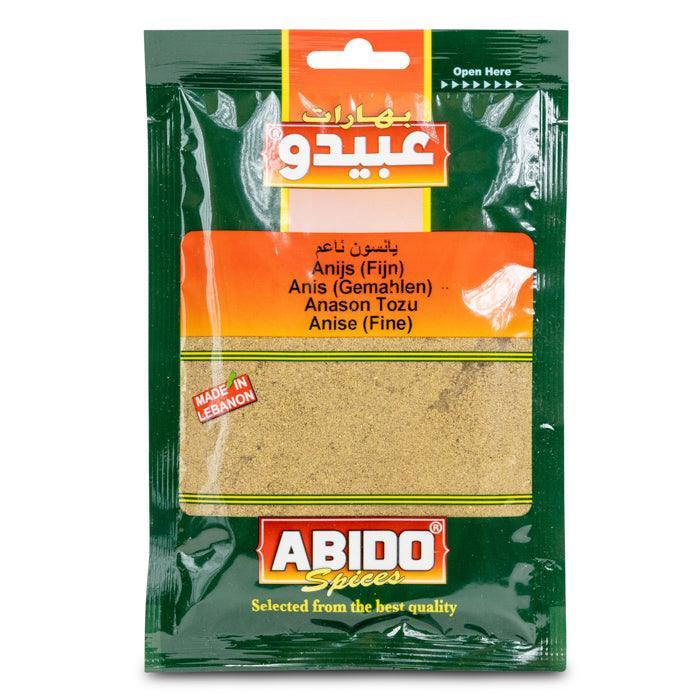
In Palestinian, Syrian, Lebanese and Jordanian homes, the scent of baking anise signals holidays and winter gatherings. Ground and whole aniseeds are paired with fennel seeds, mahlab, sesame and nigella seeds in olive-oil semolina date rings (ka'ak al-Eid), crunchy aniseed rusks (shabora) for dipping into hot tea, and turmeric-golden sfouf cake. Ground anise also combines with caraway and cinnamon in meghli, the spiced rice pudding topped with nuts and coconut served to celebrate a newborn baby.
Steeping Soothing Yansoon Tea
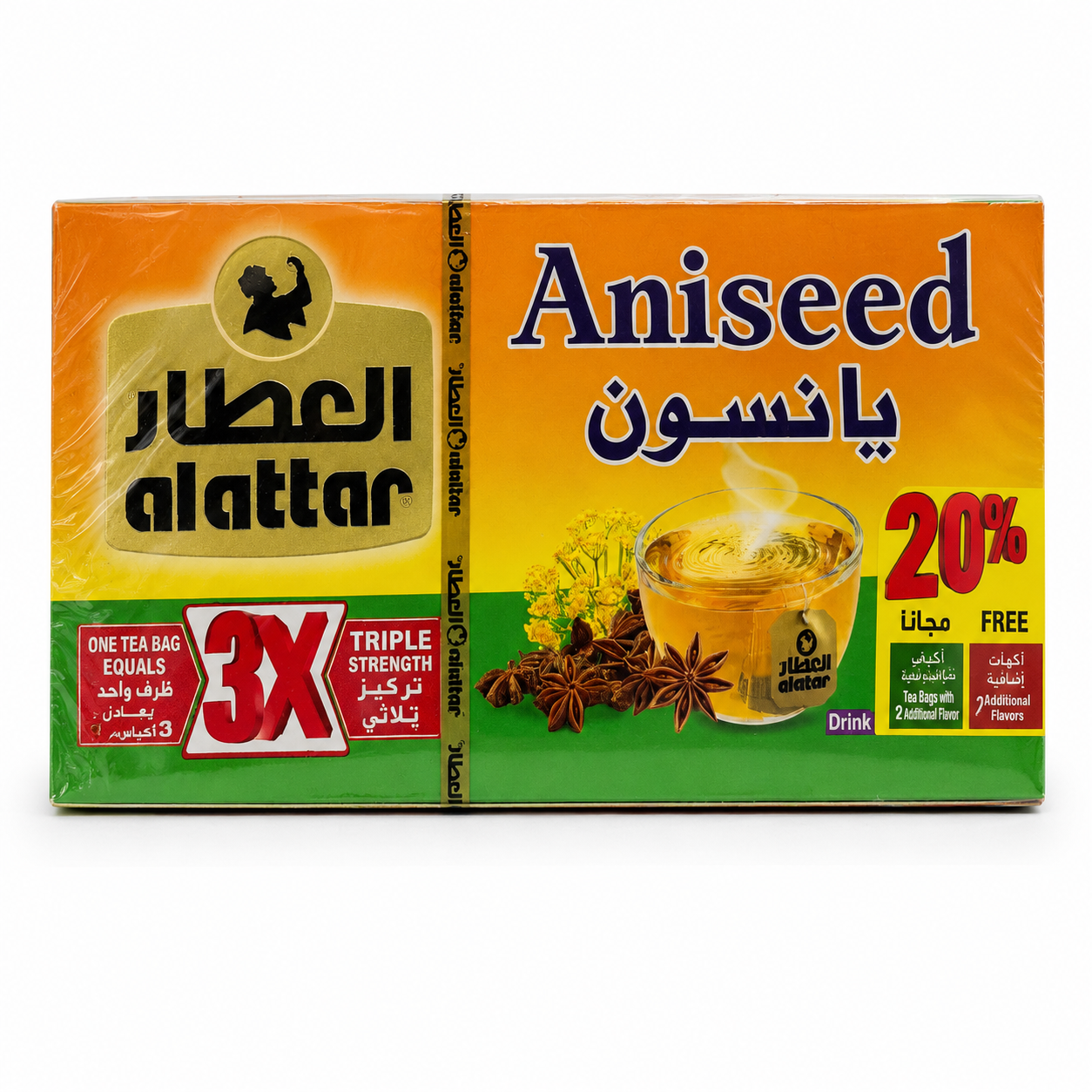
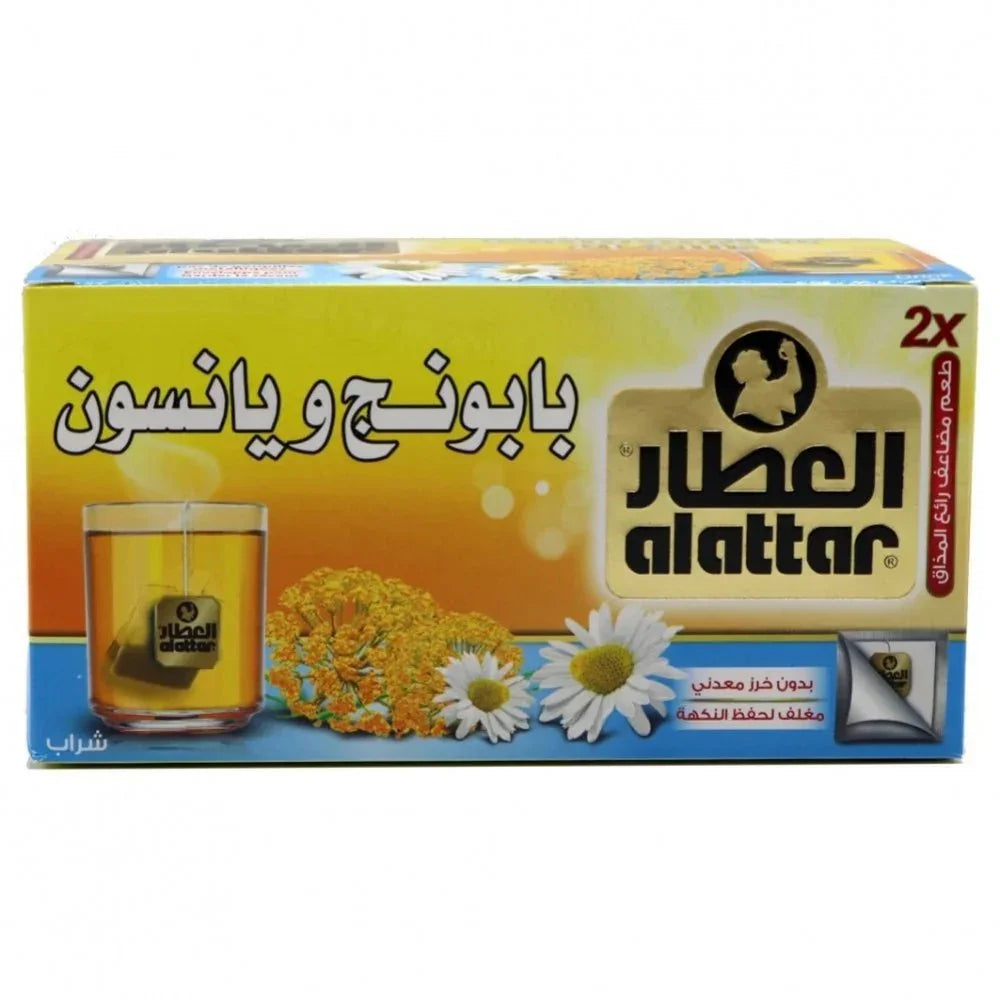
Caffeine-free yansoon tea is a staple bedtime and winter drink across the Arab world, brewed either from whole aniseeds or convenient tea bags, alone or blended with chamomile blossoms. To capture all the aromatic oils, pour boiling water over the seeds, cover the cup with a saucer for five minutes, and sweeten lightly with honey.