Arabic & Levantine Pantry Guide
Mate in Syria and Lebanon: How South American Yerba Mate Became a Levantine Ritual
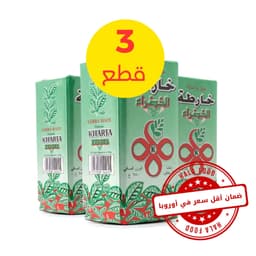
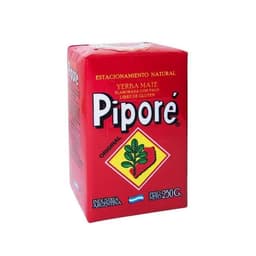
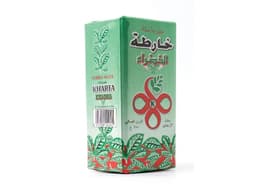
Brought home by Syrian and Lebanese emigrants returning from Argentina in the early 20th century, South American yerba mate has become an everyday social drink across the Levant. In the Syrian-Lebanese style, every guest gets their own small glass and metal bombilla straw, refilling with hot water for hours.
From Argentina to the Mountains of Syria and Lebanon
It often surprises travellers to learn that Syria is the largest importer of yerba mate outside South America. The tradition began in the late 19th and early 20th centuries when thousands of families from Mount Lebanon and Syria emigrated to Argentina. Returning emigrants brought bags of yerba mate and metal filter straws back to their hometowns – from Sweida, the Qalamoun mountains (Al-Nabk and Yabroud), Homs, Tartus and Latakia in Syria to the Chouf and Mount Lebanon – turning mate into a beloved daily ritual.
The Levantine Way: Individual Glasses and 75 °C Water
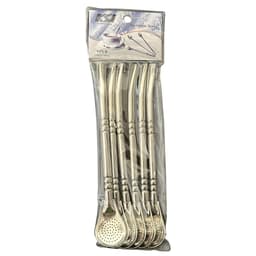
While South Americans traditionally pass a single gourd around the circle, Syrians and Lebanese adapted the ritual so every person at the table has their own small glass cup (or wooden gourd) and their own stainless-steel filter straw ('massasa' or 'bombilla'). Fill the small glass just under halfway with dry yerba mate, optionally rinse once with lukewarm water to soften the leaves and remove fine dust, insert the bombilla without stirring, and keep topping up the glass with small pours of hot – never boiling – water (around 70–80 °C) from a kettle or thermos.
Cardamom, Mint, Citrus Peel and a Bowl of Nuts
In Levantine living rooms and picnics, drinkers often customize their glass of mate with a cracked green cardamom pod, a sprig of fresh mint, a strip of orange or lemon peel, or a pinch of sugar on top of the leaves. A mate session is always accompanied by bowls of roasted seeds (bizr), mixed nuts, dried figs or crunchy sesame kaak.