Arabic & Levantine Pantry Guide
What is karkade? Arabic hibiscus tea served iced or hot
Karkade is the Arabic name for dried hibiscus calyces and the ruby-red infusion brewed from them. Tart, berry-like and naturally caffeine-free, it is served ice-cold in pitchers across Egypt, Sudan and the Levant during Ramadan and summer, or steeped hot in glasses during winter.
Cold-steeping vs hot-brewing karkade
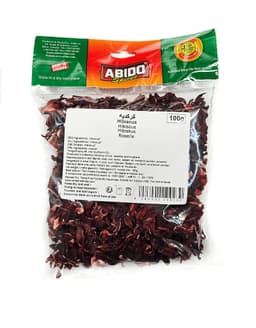
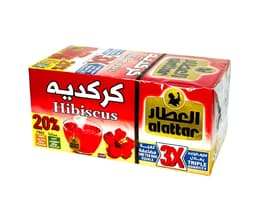
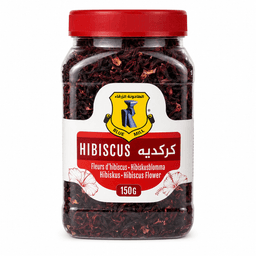
Karkade is sold both as whole dried dark-crimson calyces and in convenient tea bags. To make a pitcher of iced karkade the traditional Egyptian way, briefly rinse a handful of loose dried flowers in cold water, place them in a jug of cold water and let them steep in the fridge for 4 to 6 hours (or overnight) before straining. Cold steeping draws out a clean, bright cranberry-like tartness without any cooked astringency. For a quicker pitcher, pour boiling water over the flowers, steep for 10 to 15 minutes, strain, sweeten while warm and chill over ice.
How to sweeten and flavour karkade
Because hibiscus flowers are naturally very tart, iced karkade is sweetened generously with sugar or honey to balance the acidity. In Egypt and Sudan it is poured straight over ice as a daily refreshment and Ramadan iftar drink. In Syria and Lebanon, a splash of rose water, orange blossom water or a sprig of fresh mint is often stirred into the chilled pitcher, while winter mugs of hot karkade are brewed with a cinnamon stick.