Arabic & Levantine Pantry Guide
Termes (Lupini Beans): The Golden Middle Eastern Snack with Lemon and Cumin
Termes (also spelled turmus) are plump, golden-yellow lupini beans cured in brine and served across Egypt and the Levant as a savoury finger-food snack. Especially popular during Eid celebrations and summer evenings, the firm, nutty beans are dressed with fresh lemon juice, ground cumin and a pinch of chili.
Sweet Lupini Beans vs Traditional Bitter Lupins
Dried lupini beans come in two varieties: sweet lupins (termes helw) and traditional local bitter lupins (termes baladi). Sweet lupini beans are the modern pantry favourite because they are naturally free of bitter alkaloids – you simply soak them overnight, boil them for under an hour and transfer them to salted water to enjoy the same day. Bitter lupins require five to seven days of soaking in fresh changes of water after boiling to leach out their bitterness.
An Eid Holiday Tradition and Street-Food Favourite
From the Nile corniche in Cairo to family living rooms across Syria, Lebanon, Palestine and Jordan, bowls of bright yellow termes are set out alongside nuts and seeds during Eid al-Fitr and evening get-togethers. Right before serving, the drained beans are tossed with plenty of freshly squeezed lemon juice, a dusting of earthy cumin and a dash of red shatta chili. To eat them, pinch a small nick in the translucent skin and pop the firm bean out between your thumb and forefinger.
Dried Lupini Beans vs Ready-to-Eat Brined Jars
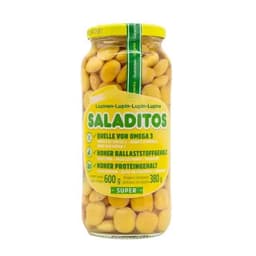
You can buy termes either as dried sweet lupini beans to soak and simmer at home in big batches, or pre-cooked in brine in glass jars and vacuum packs. Ready-cooked lupini beans only need a quick cold-water rinse and a squeeze of lemon and cumin before hitting the table.