Arabic & Levantine Pantry Guide
What is ful medames? Slow-cooked fava beans for Arabic breakfast
Ful medames (often spelled foul) is a warm dish of dried fava beans simmered slowly until tender and dressed with cumin, lemon juice, garlic, olive oil and tahini. It is the everyday breakfast of Egypt, a Friday morning tradition across the Levant and a staple of the Ramadan suhoor table.
How ful is cooked and the difference between dried and tinned beans
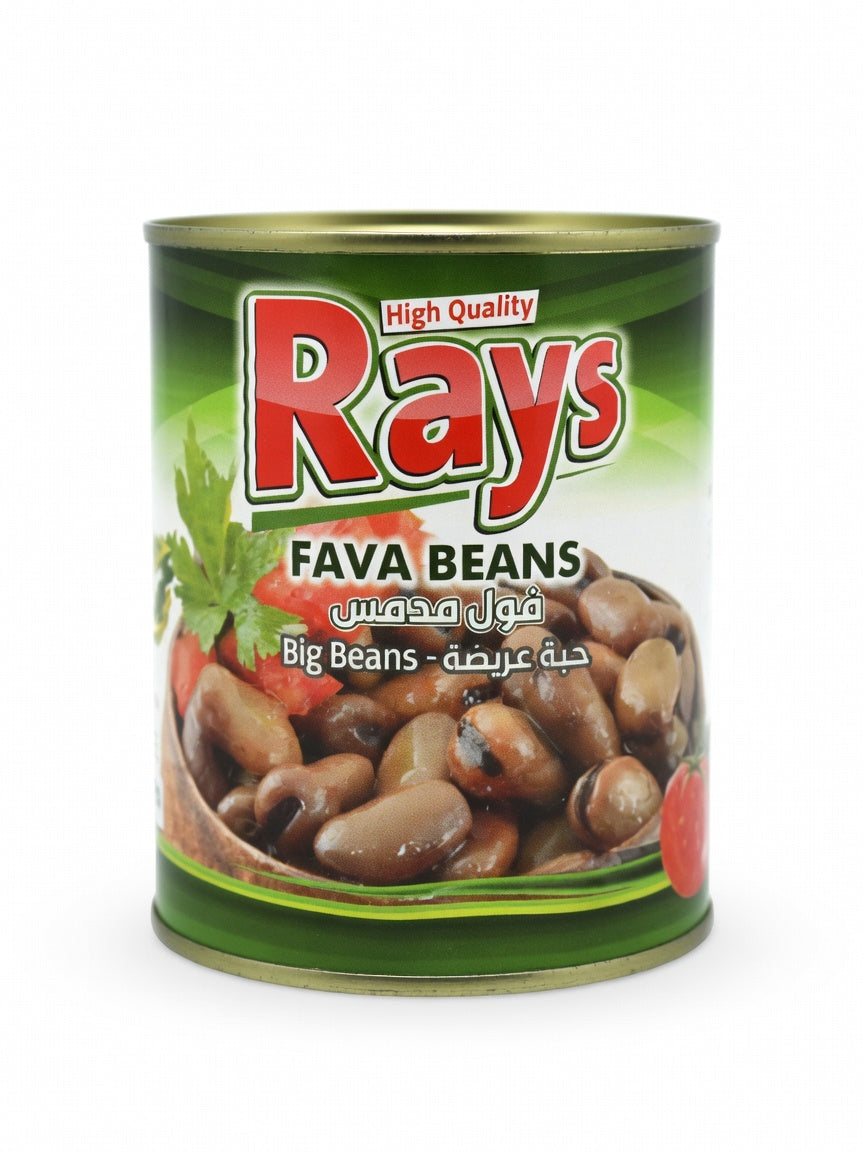
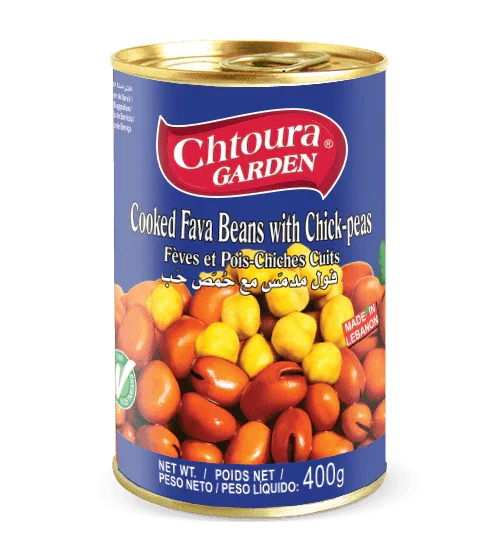
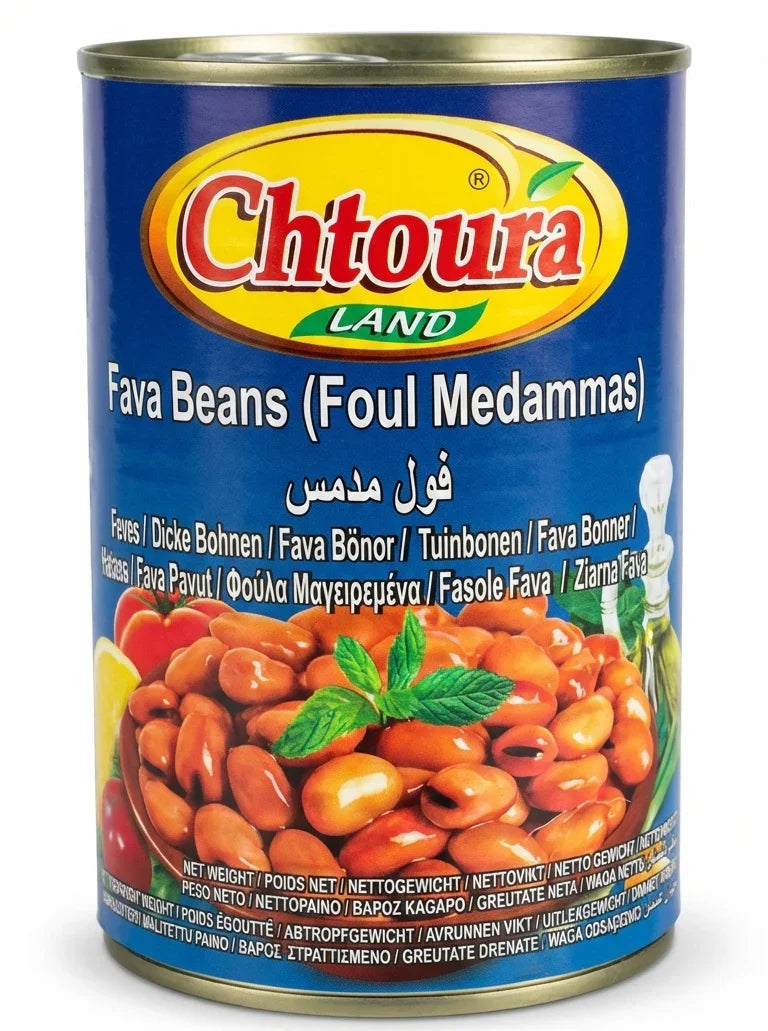
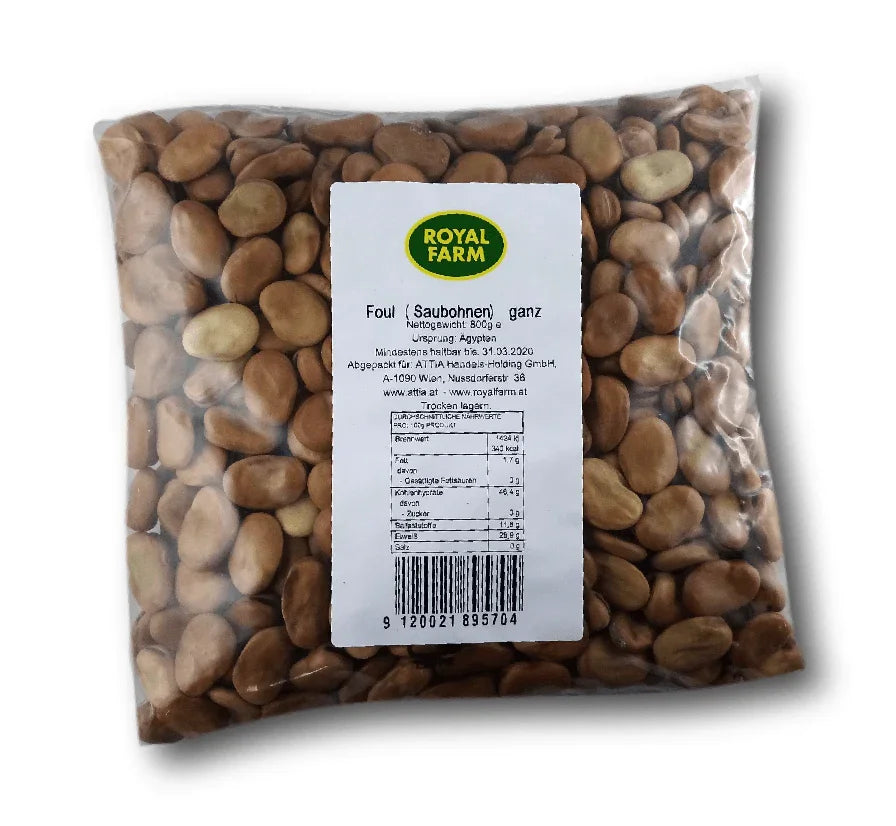
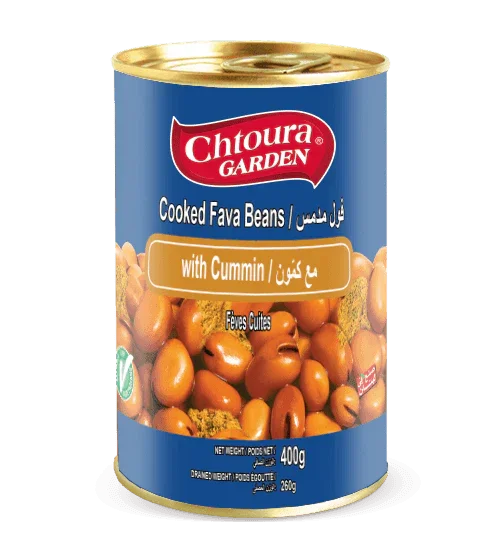
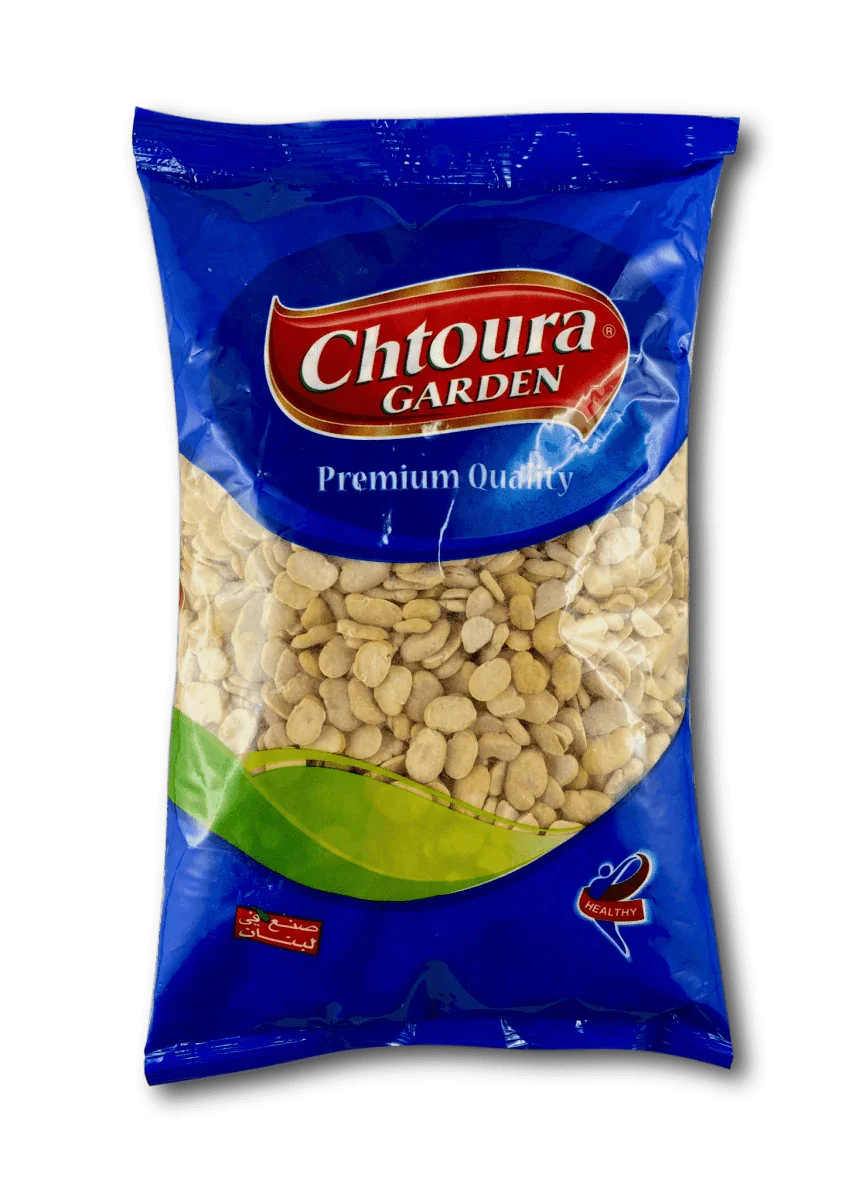
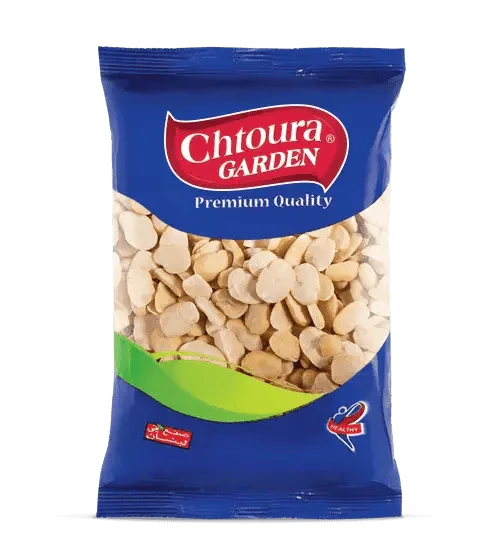
The name medames refers to the traditional method of slow-cooking soaked dried fava beans overnight in a narrow-necked pot called a dammasa buried in hot embers. In the modern pantry, cooks keep both dried fava beans (either whole brown beans for pressure-cooking or split, peeled fava beans for Egyptian ta'ameya falafel and bissara dip) and tins of ready-cooked ful medames, sold plain, mixed with whole chickpeas or pre-seasoned with cumin.
Egyptian vs Levantine ways of serving ful medames
In Egypt, hot ful is mashed right in the pan or bowl and stirred with ground cumin, salt, lemon juice, a swirl of tahini and olive oil, flaxseed oil or melted ghee, served with baladi flatbread, spring onions and pickles. In Syria, Lebanon, Palestine and Jordan, the beans are usually kept whole alongside warm chickpeas and served either as "ful bil-zeit" (dressed with crushed garlic, lemon juice, diced tomatoes, chopped parsley and a generous pour of olive oil) or coated in a warm yoghurt and tahini sauce.