Arabic & Levantine Pantry Guide
Eid cookies and sweets: maamoul, ghraybeh, barazek and kaak
During the final days of Ramadan, households bake or buy assortments of Eid al-Fitr cookies to serve with Arabic coffee on the morning of the feast: stuffed maamoul, melt-in-the-mouth ghraybeh, sesame barazek and spiced kaak. Made with semolina, flour, ghee and aromatics like mahlab and mastic, these biscuits keep for weeks.
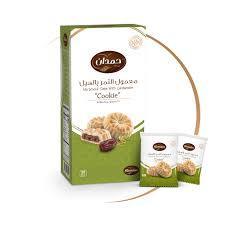
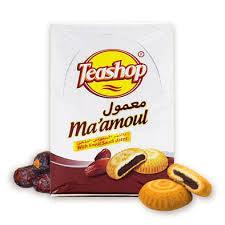
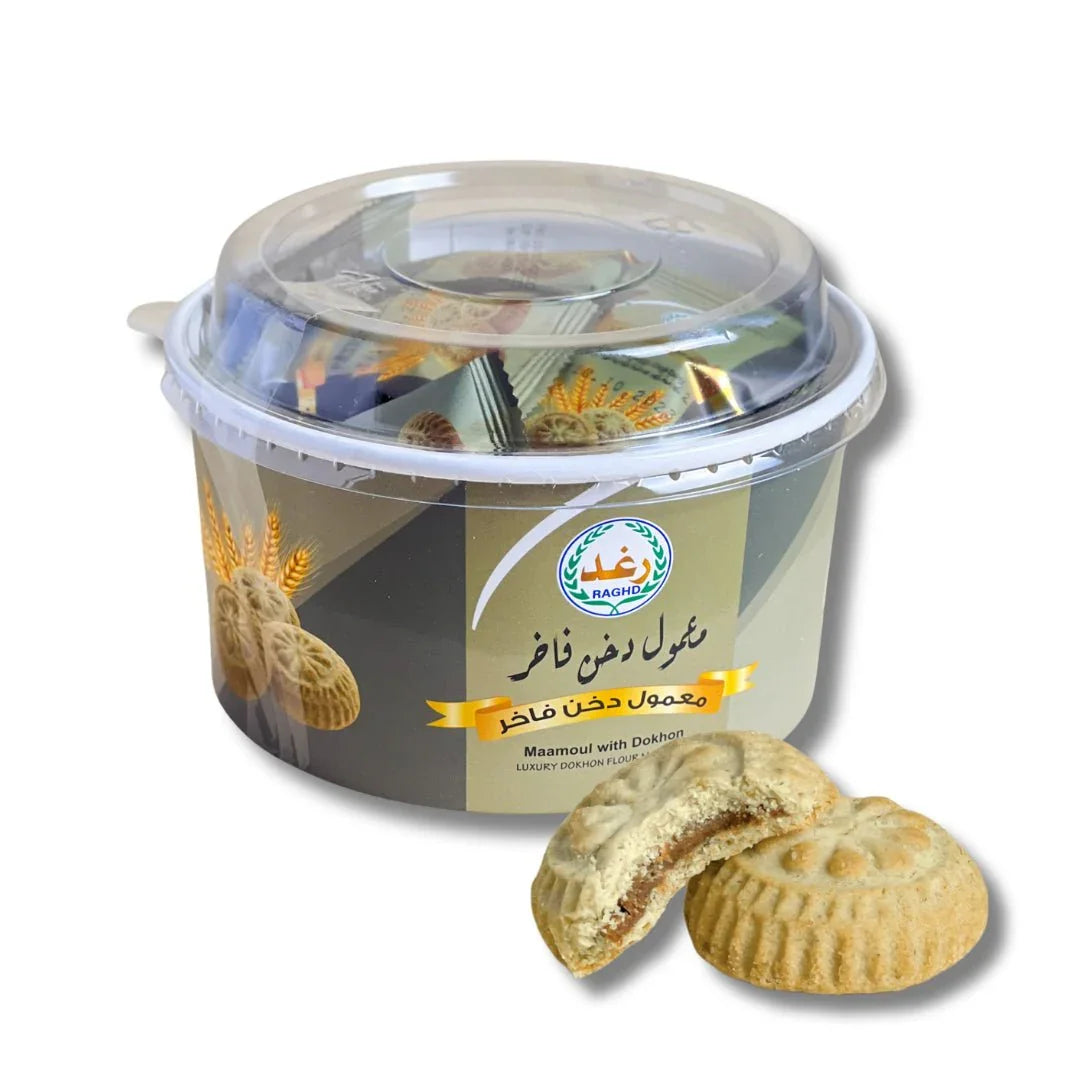
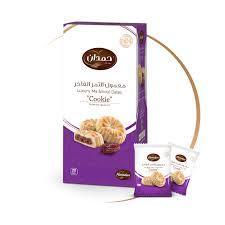
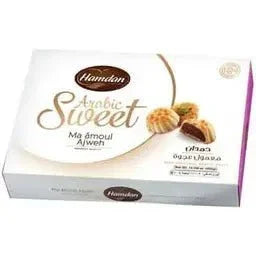
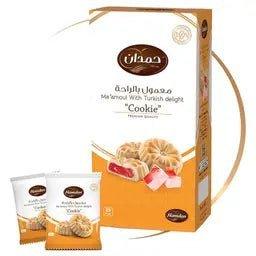
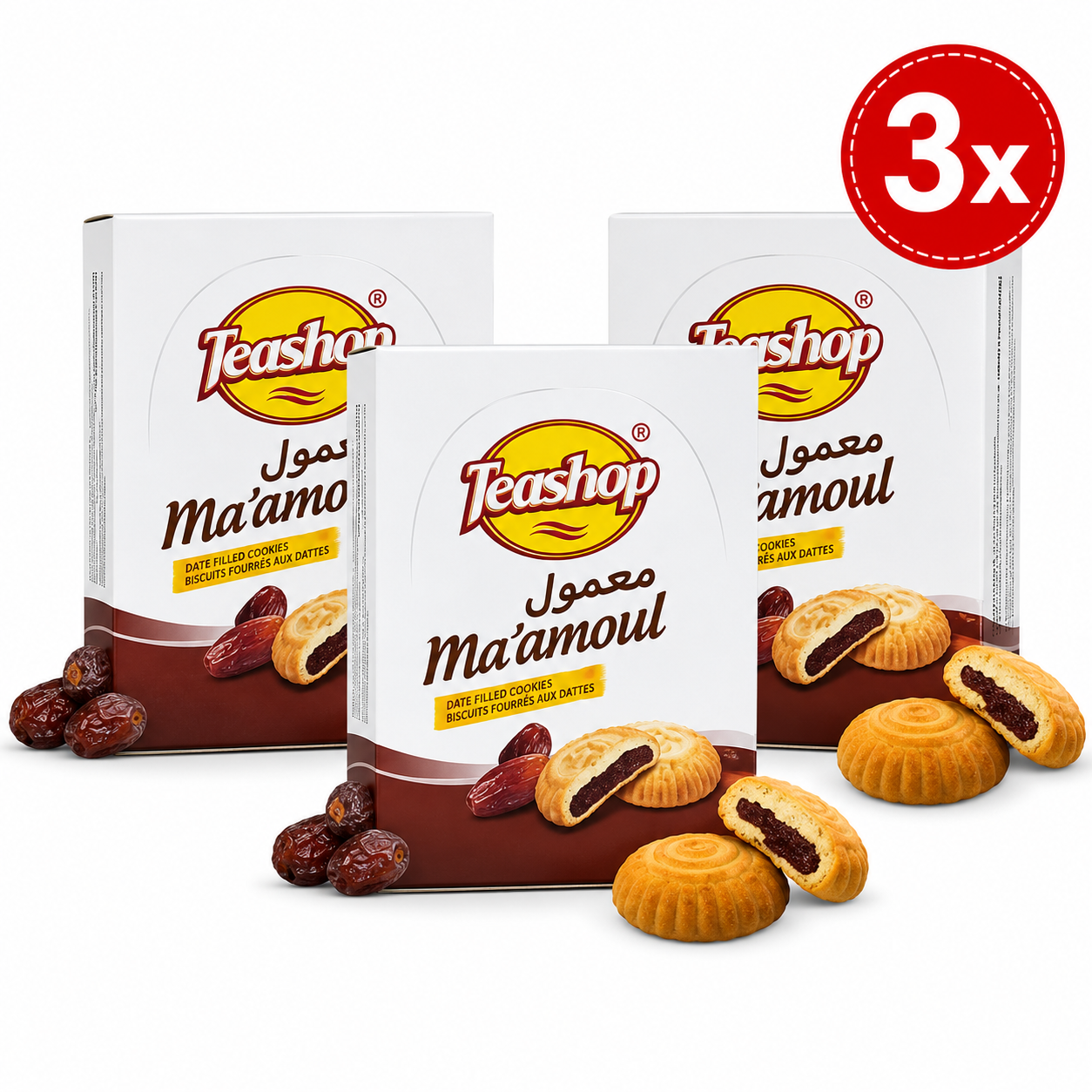
Maamoul stuffed with dates, nuts or Turkish delight
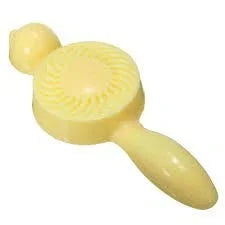
Maamoul is the centrepiece of the Eid tray across the Levant and the Gulf. Its crumbly shortbread crust is made by rubbing fine and coarse semolina with ghee and leaving it overnight before kneading with orange blossom water, rose water and mahlab. Traditional fillings include soft date paste spiced with cardamom or cinnamon, chopped pistachios, crushed walnuts or cubes of chewy lokum. Each filling is pressed into a carved mould with a distinct shape so guests can tell date maamoul from pistachio or walnut at a glance.
Ghraybeh, barazek and spiced kaak
Alongside maamoul sits ghraybeh, a pale shortbread made from just ghee, icing sugar and flour, baked gently so it stays ivory-white and topped with a single pistachio. Damascene barazek add crunch to the platter: wafer-thin biscuits coated generously in toasted sesame seeds on top and pistachio pieces underneath. In Egypt, Palestine and Iraq, families also bake kaak (kahk) or kleija rings scented with aniseed, fennel and cardamom.