Arabic & Levantine Pantry Guide
Saffron (Za'faran): Crimson Threads for Golden Rice, Arabic Coffee and Sweets
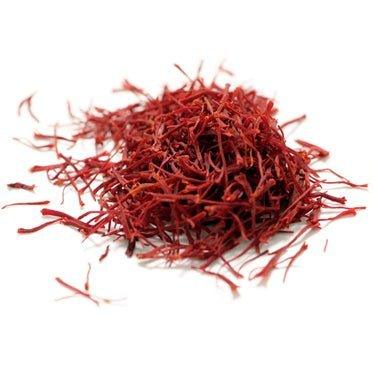
Saffron consists of the hand-harvested, dried crimson stigmas of the saffron crocus and is the world's most prized spice. Steeped in warm water, milk or rose water, just a pinch of threads imparts a luminous golden colour and a honeyed, floral aroma to basmati rice, blonde Arabic coffee and milk puddings.
How to Bloom Saffron for Maximum Colour and Aroma
To unlock the full pigment and scent of whole saffron threads, never toss them dry straight into a frying pan. Instead, crumble a small pinch of threads in a mortar (a tiny pinch of sugar helps grind them into a fine powder) and steep in two or three tablespoons of warm water, warm milk or rose water for fifteen minutes – or scatter the ground threads over an ice cube and let it melt slowly at room temperature. The liquid turns a brilliant sunset gold ready to be drizzled into your dish.
In Basmati Rice, Blonde Arabic Coffee and Desserts
Across the Gulf, the Levant and Persia, bloomed saffron water is spooned over one corner of a pot of steamed white basmati rice just before serving; when fluffed onto the platter, jewel-like yellow grains contrast against pure white rice in biryani, kabsa and mandi. In a dallah of blonde Arabic coffee, a few saffron threads simmer alongside crushed green cardamom pods, while in desserts saffron perfumes muhallabia milk puddings, syrup-soaked pastries and pistachio ice cream.
True Saffron vs Safflower (Usfur)
Genuine saffron threads are deep crimson with a slight trumpet-shaped flare at one tip; when steeped in water, they release a clear golden-yellow hue while the threads themselves stay red. Safflower petals (known in Arabic as usfur) are a common pantry alternative used to tint pickled lemons and everyday rice yellow, though they have a much milder, hay-like flavour compared with real saffron.