Arabic & Levantine Pantry Guide
What is Arabic coffee? Cardamom qahwa, roasts and brewing
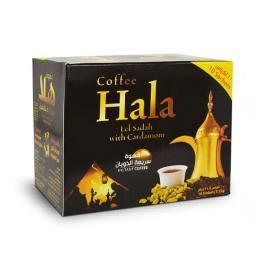
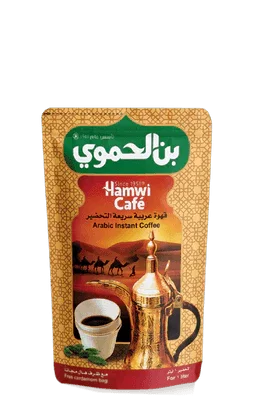
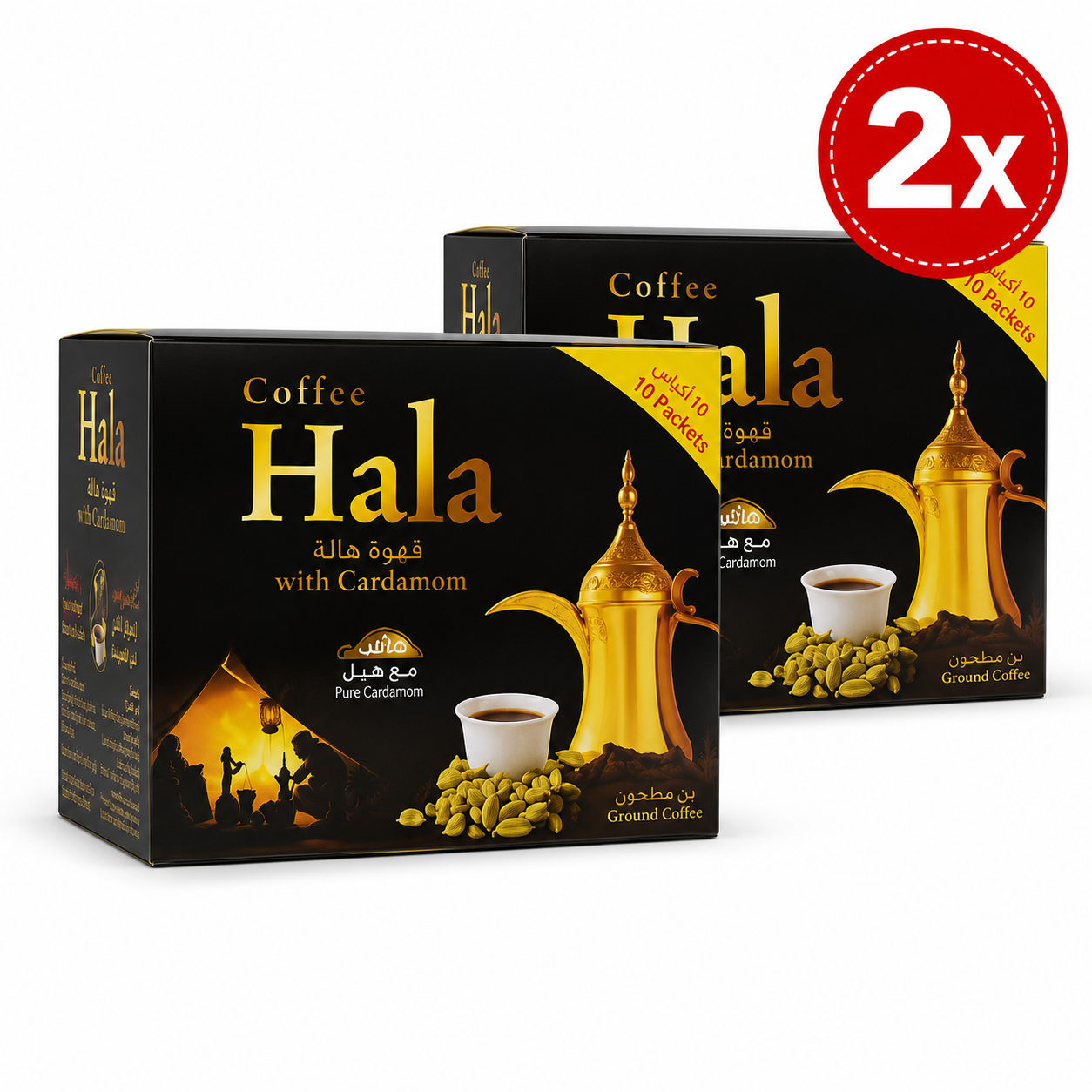
Arabic coffee covers two distinct traditions across the Middle East: unsweetened cardamom coffee brewed in a curved dallah pot and poured in small sips for guests, and powder-fine Levantine coffee with green cardamom foamed in a long-handled rakweh. Both are served alongside dates and Eid pastries.
Dallah hospitality coffee: blonde Gulf gahwa and dark qahwa murra
At family gatherings, weddings and Eid mornings, Arabic coffee is poured from a brass or steel dallah into small handleless cups called finjan. In the Gulf states, the beans are roasted very lightly and coarsely ground, then simmered with crushed green cardamom pods and a pinch of saffron or cloves to make a golden, fragrant brew. In Syria, Jordan, Palestine and Iraq, hosts also brew dark "bitter Arabic coffee" (qahwa murra), simmered slowly until rich and concentrated and finished with freshly bruised cardamom.
Everyday Levantine coffee brewed in a rakweh
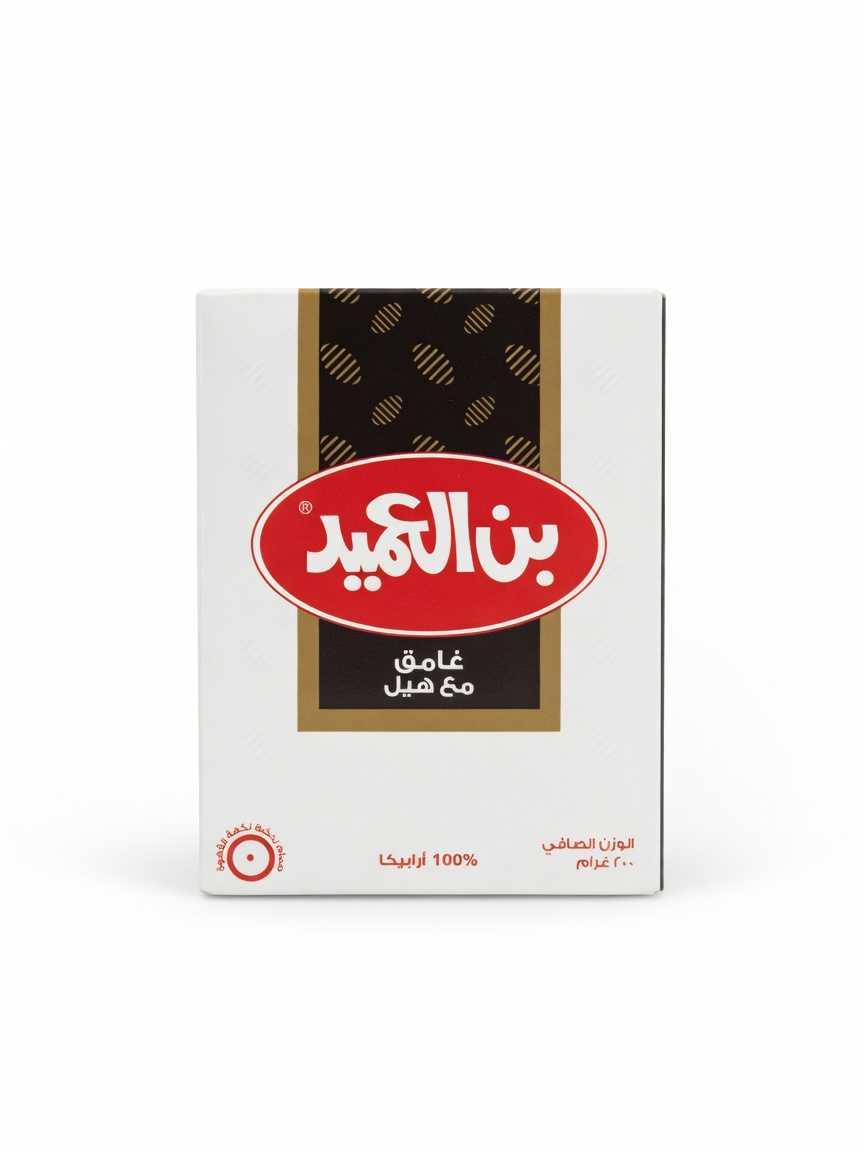
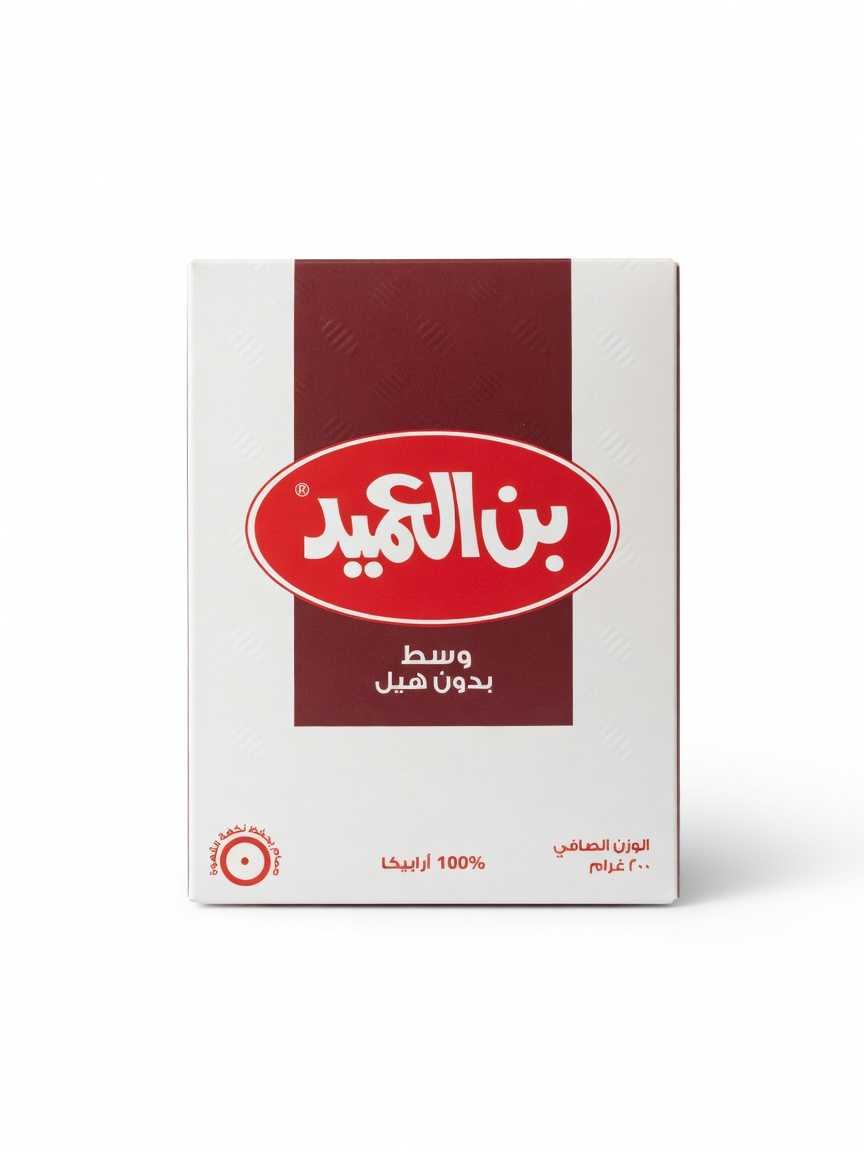
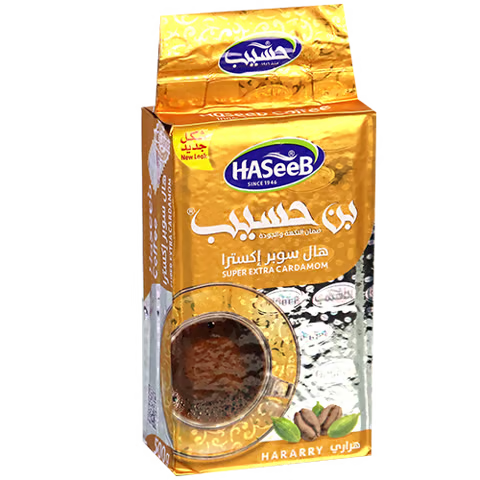
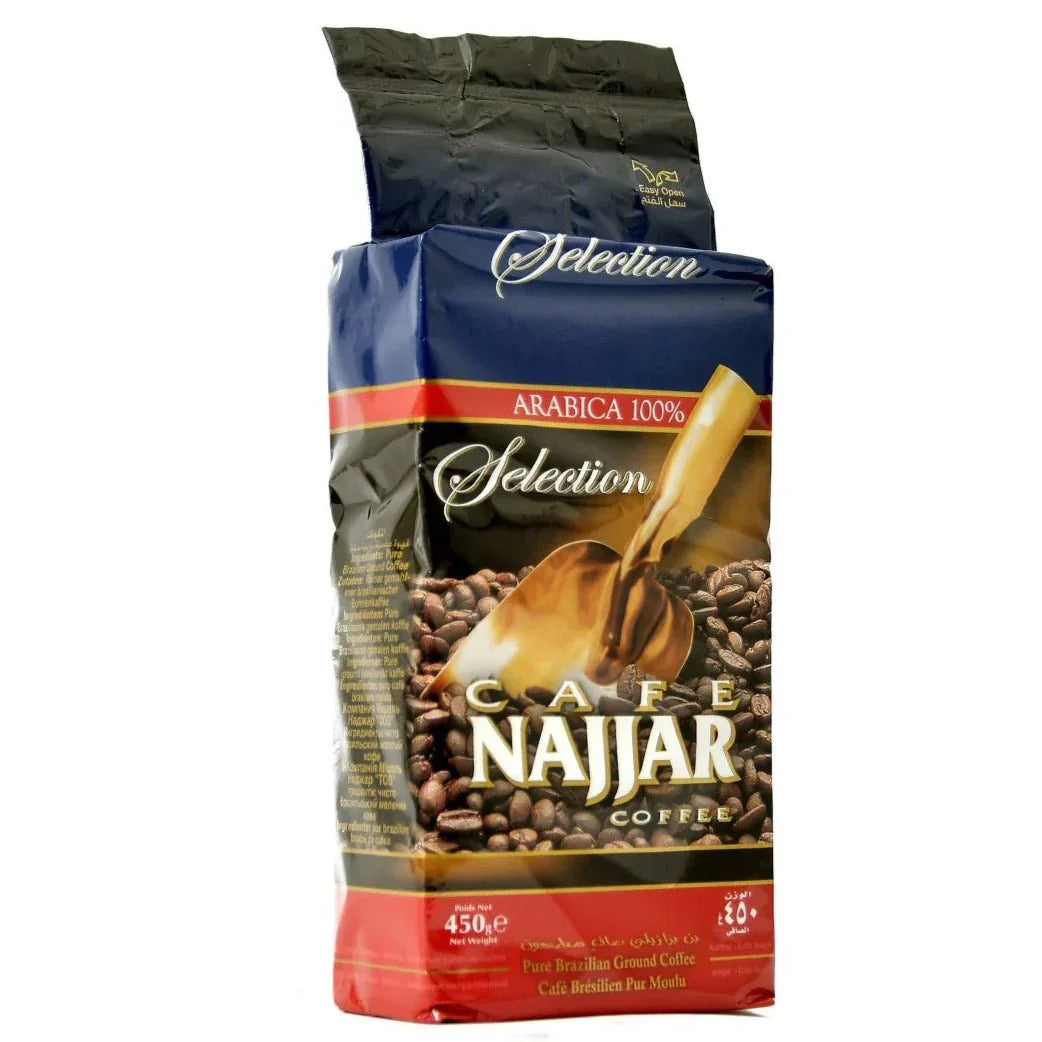
For everyday morning and afternoon coffee in Syrian, Lebanese, Palestinian and Jordanian homes, people reach for beans ground as fine as flour, sold either in a medium (blonde) or dark roast, and either blended with ground cardamom or plain. Mixed with cold water in a small pot (rakweh) with no sugar (sada) or a little sugar (wasat), it is brought slowly to a frothy rise on the stove and poured into small cups, where the grounds settle at the bottom.