Arabic & Levantine Pantry Guide
Rose Water (Maa al-Ward): Fragrant Damask Rose Distillate for Sweets and Drinks
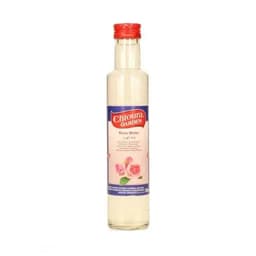
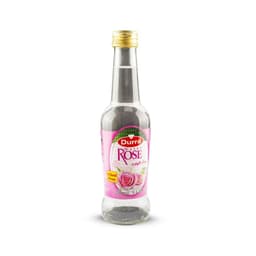
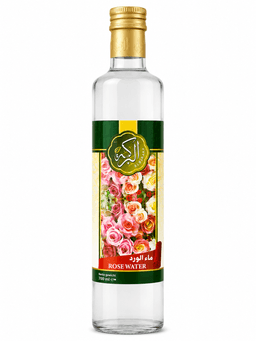
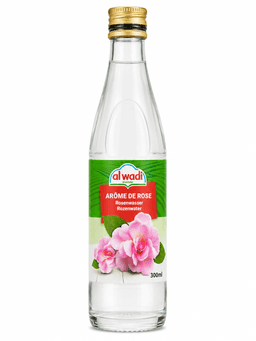
Culinary rose water (known in Arabic as maa al-ward) is the crystal-clear hydrosol steam-distilled from fresh petals of the Damask rose. Just a spoonful stirred in at the end of cooking imparts a delicate, cooling floral aroma to milk puddings like muhallabia, sugar syrup for baklava, maamoul cookies and iced jallab.
Dawn Harvest and Copper-Still Distillation
Across Syria and Lebanon – particularly in the valleys around Damascus and the Bekaa mountains – May is the season of the Damask rose (Rosa damascena). Fragrant pink blossoms are picked by hand at dawn before the morning sun can evaporate their volatile oils, then gently steam-distilled with spring water in traditional copper stills. The condensed vapour yields pure, food-grade rose water with a clean, soft floral bouquet.
Finishing Touch for Muhallabia, Sugar Syrup, Maamoul and Lokum
In Middle Eastern pastry kitchens, rose water is treated as a delicate finishing note: cooks stir one to two teaspoons into creamy muhallabia milk pudding, rice pudding and golden sugar syrup (qatr) right after taking the pan off the heat so the fragrance stays bright. It also perfumes the semolina dough and pistachio or walnut fillings of Eid maamoul cookies, sweet cheese rolls (halawet el-jibn) and rose-flavoured lokum (Turkish delight).
In Ramadan Coolers and How It Differs from Orange Blossom Water
In cold drinks, rose water gives iced jallab its unmistakable aroma, and a few drops transform chilled hibiscus tea (karkade), tamarind juice, mint lemonade and fresh berry salads. While rose water is distilled from pink rose petals and has a soft, sweet floral profile, orange blossom water (maa al-zahr) is distilled from white bitter-orange blossoms and offers a bolder, slightly citrusy floral note; many Levantine recipes blend a splash of both.