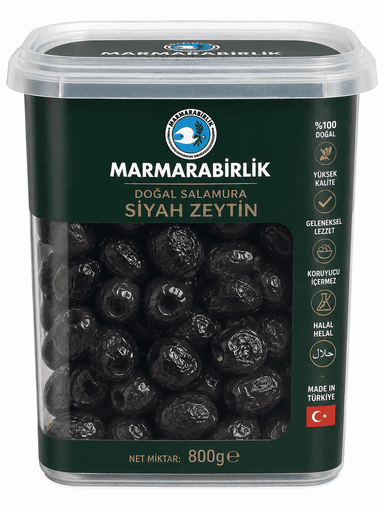
Syrian Green Salqini Olives & Black Ma'toun Olives for Breakfast and Mezze
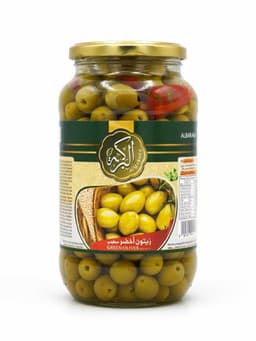
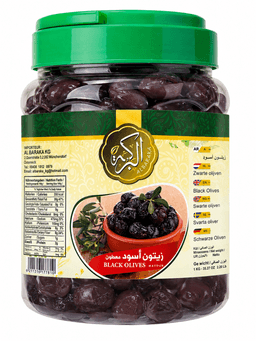
Crisp green Salqini olives from northern Syria and deeply savoury dry-cured black Ma'toun olives anchor the traditional Levantine breakfast spread alongside labneh, flatbread and hot tea. Fleshy Egyptian Picual olives, sliced black olives for baking and marinated green olive salad round out the pantry table.
Green Salqini olives from the groves of western Idlib
Named after the orchard town of Salqin near the Turkish-Syrian border, Salqini olives are prized across Levantine households for their thin skin, generous flesh-to-pit ratio and firm, nutty bite in lemon-scented brine. At breakfast they are often dressed in a small dish with olive oil, dried wild thyme and crushed chilli.
Dry-cured black Ma'toun olives versus brine-cured slices
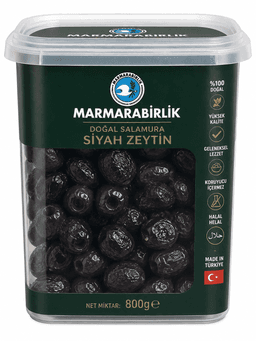
Traditional Ma'toun and Marmara-style breakfast olives are cured slowly with coarse salt rather than plain water brine, drawing out natural bitterness and giving the dark skins a gentle wrinkle and concentrated richness. Smooth brine-packed black olives and pre-sliced rings, by contrast, hold their moisture cleanly on baked manakish, savoury pastries and salads.
Picual table olives and ready-to-serve green olive salad
Large green Picual and jumbo olives offer a meaty crunch beside hummus, ful medames and pickled turnips. Sliced green olive salad tossed with diced red peppers, carrots and herbs goes straight from jar to mezze bowl or warm pita wraps – especially good drizzled with a spoonful of pomegranate molasses and walnuts.