Arabic & Levantine Pantry Guide
What are ghee and samna? Clarified butter in Arabic cooking
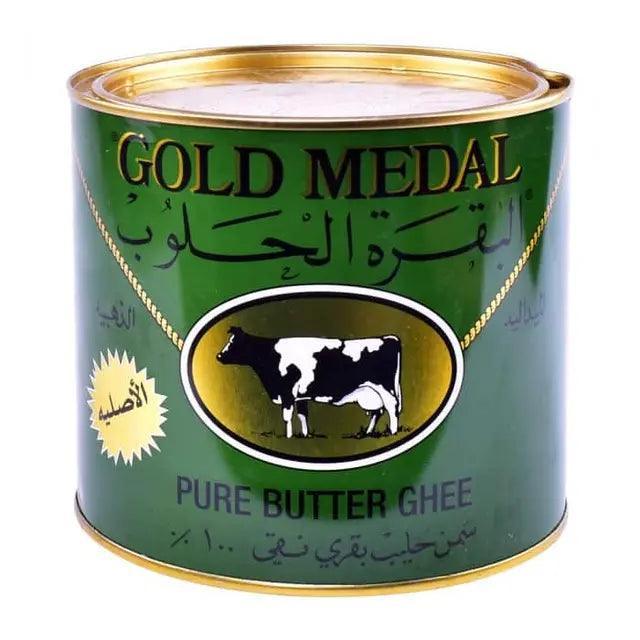
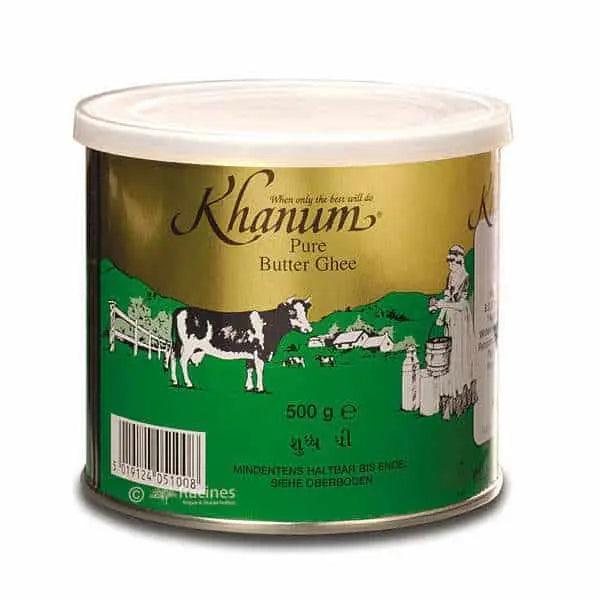
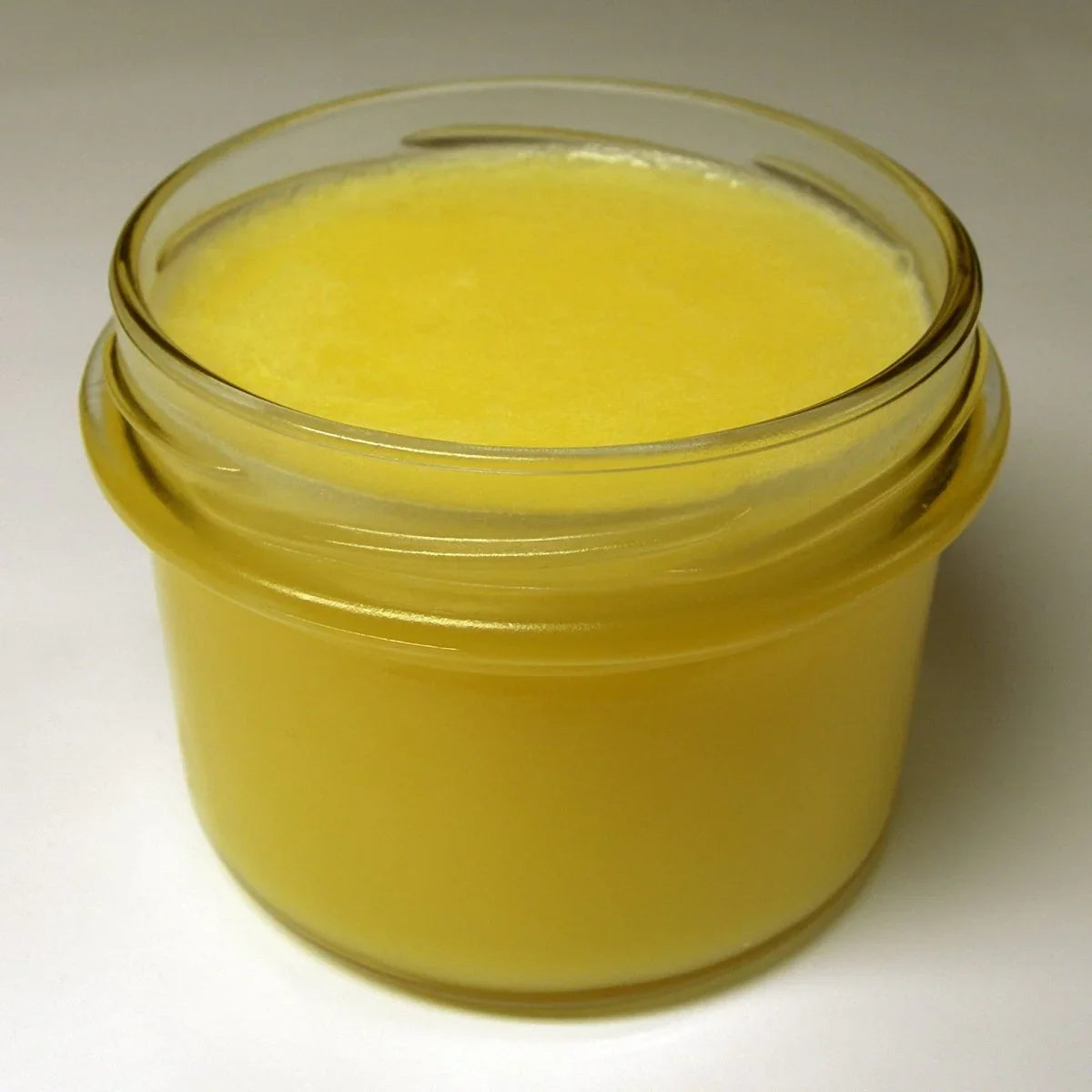
Samna (or samneh) is the Arabic name for ghee: butter slowly simmered until all the water evaporates and the milk solids settle out. Because it is pure butterfat, it handles high heat far better than butter and gives rice pilafs, kunafa, baklava and maamoul their signature richness and crumbly texture.
Cow's milk ghee, sheep's milk samna and vegetable ghee
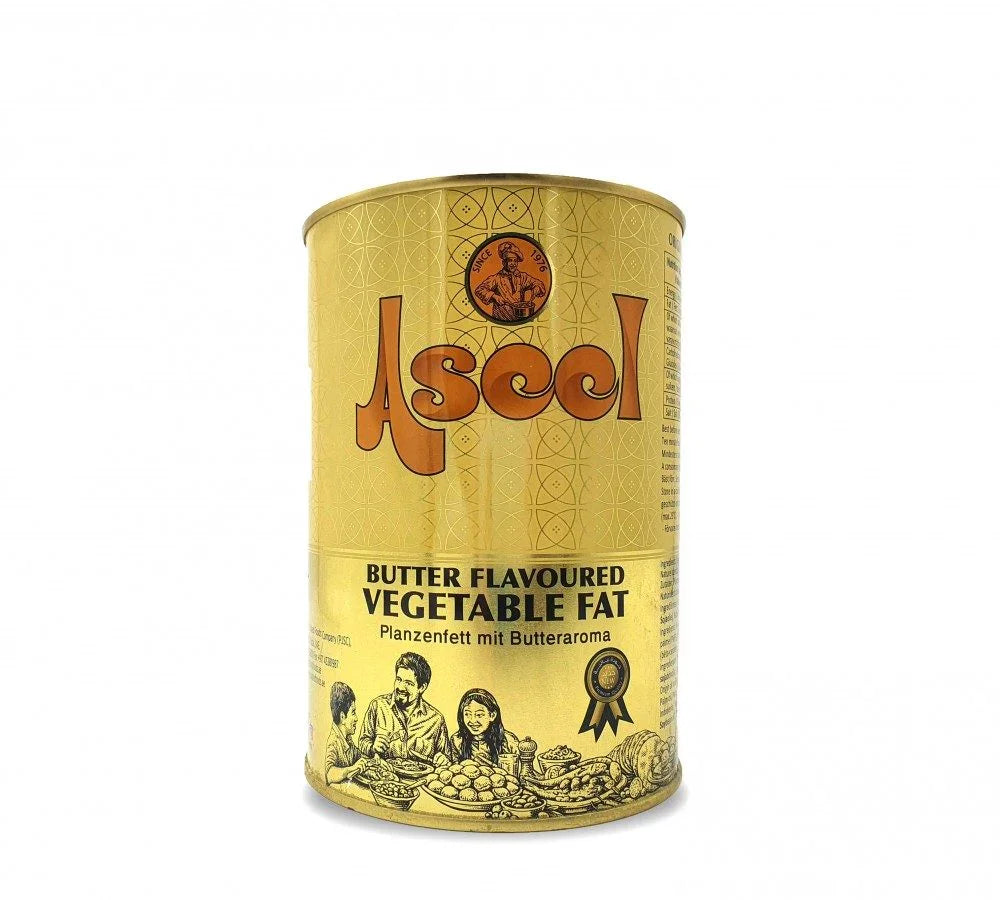
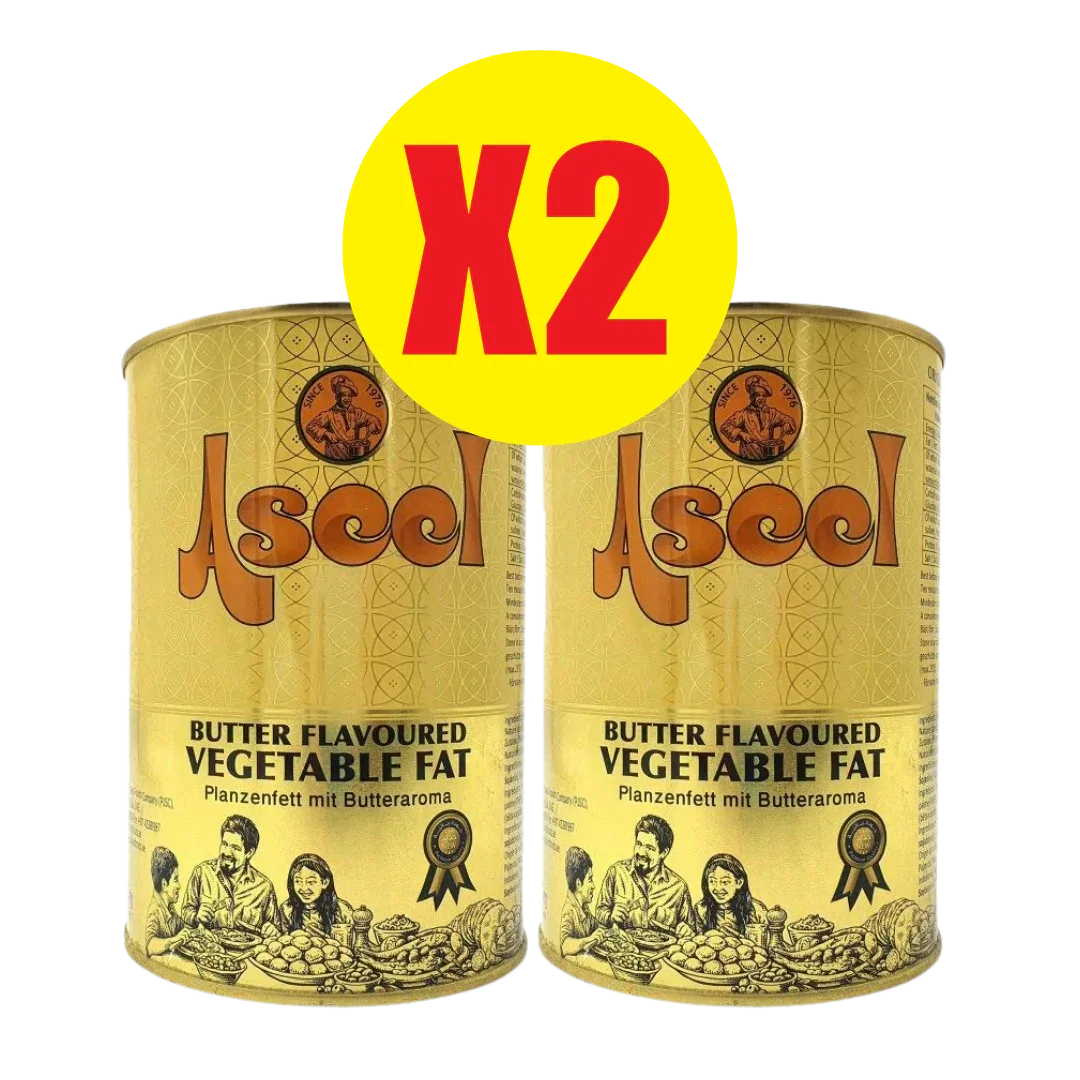
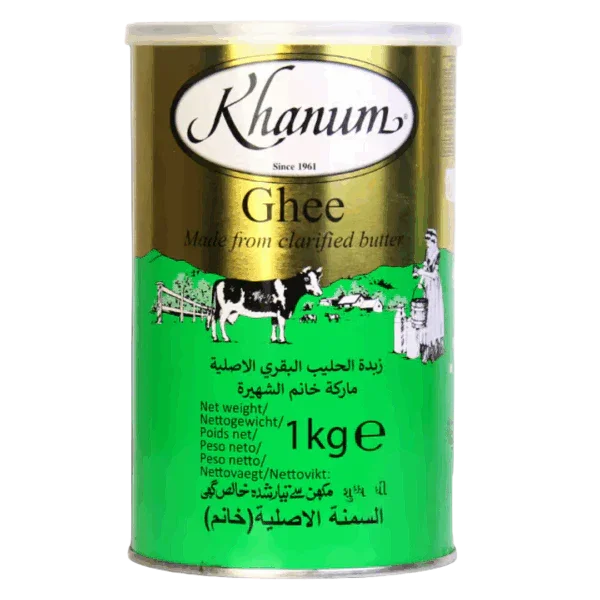
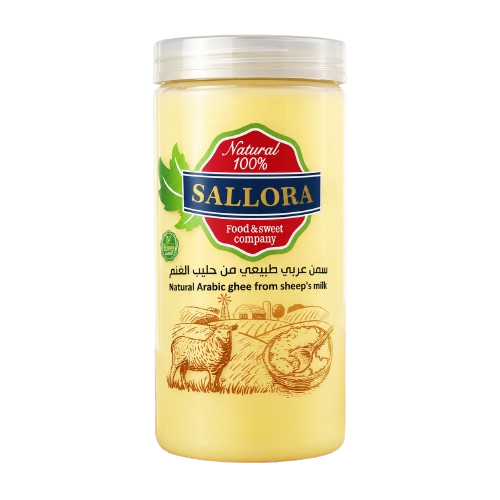
In Middle Eastern shops you will come across three types of samna. Cow's milk ghee is golden yellow with a gentle, nutty butter aroma suited to everyday cooking, from vermicelli rice and freekeh to fried eggs and meat stews. Traditional Levantine sheep's milk samna (often called samneh baladi or Hama-style samneh) is paler and much more fragrant; even a spoonful gives mansaf, kunafa, baklava and Eid maamoul an unmistakable authentic depth. Vegetable ghee (samna nabati) is also widely used as a plant-based fat for frying and baking.
Why Arabic pastries call for samna instead of regular butter
Regular butter contains water, which activates gluten in flour and semolina and turns delicate pastries tough. Pure samna contains no water, so when it is rubbed into semolina for maamoul or kneaded with flour and icing sugar for ghraybeh, it coats the grains and produces a short, melt-in-the-mouth crumb. In layered filo pastries like baklava and shredded kataifi kunafa, melted samna crisps the dough evenly without soggy spots, and in savoury cooking it is the fat of choice for sizzling garlic-and-coriander tasha.