Arabic & Levantine Pantry Guide
What is molokhia? Leaves, regional styles and how to cook it
Molokhia (or mulukhiya) is the leaf of the jute mallow plant, cooked across the Arab world in chicken or lamb stock with plenty of garlic and ground coriander. In the Levant the leaves are cooked whole as a stew, while in Egypt they are finely minced into a velvety green soup.
Levantine whole-leaf stew vs Egyptian minced soup
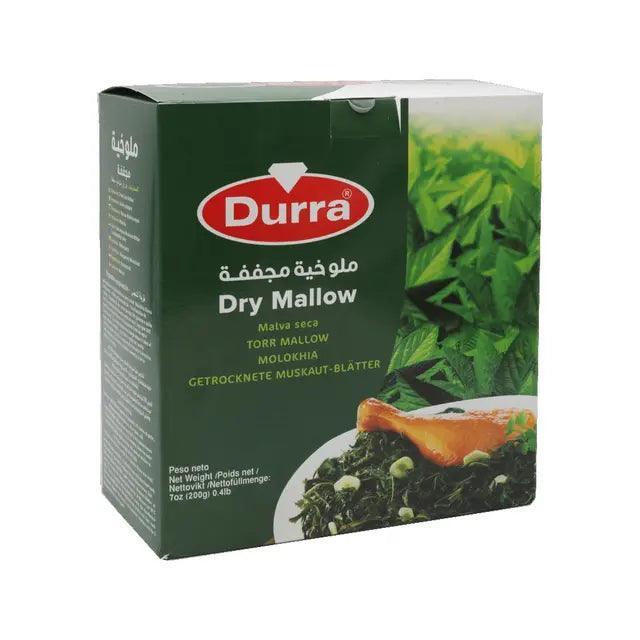
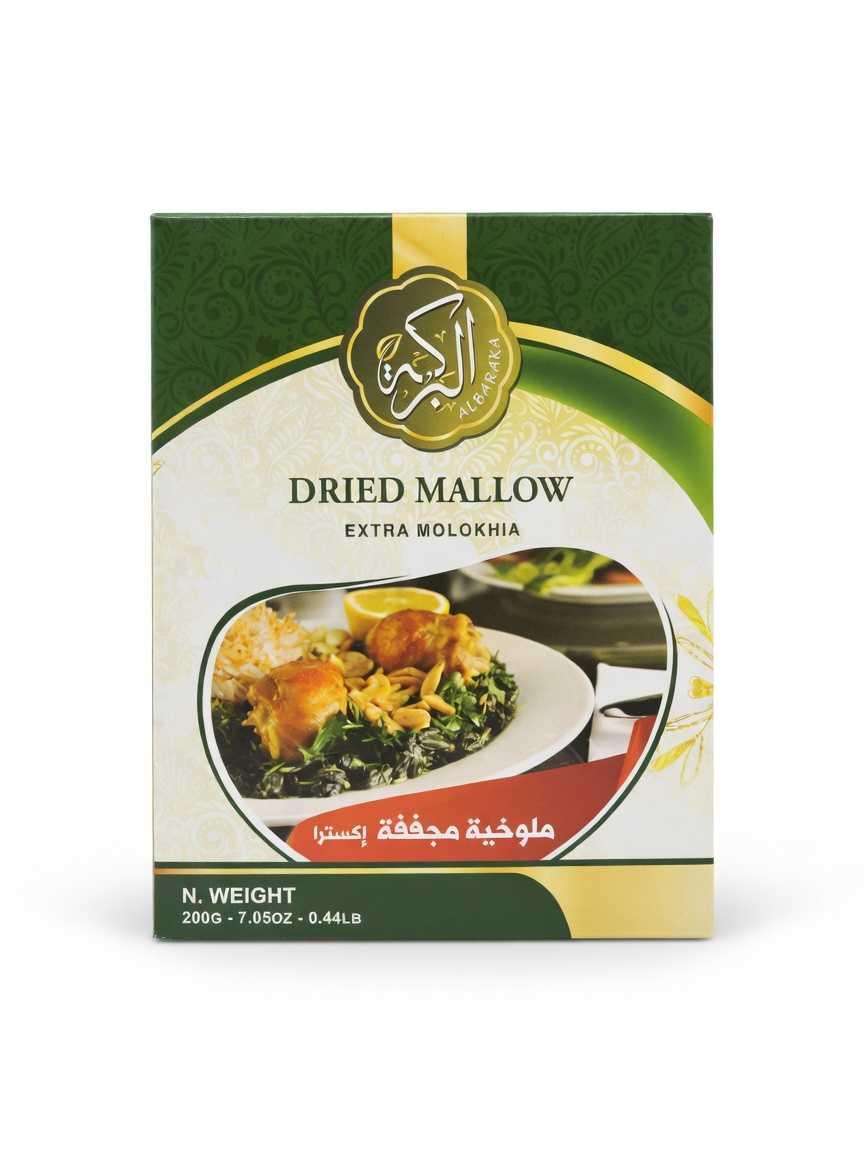
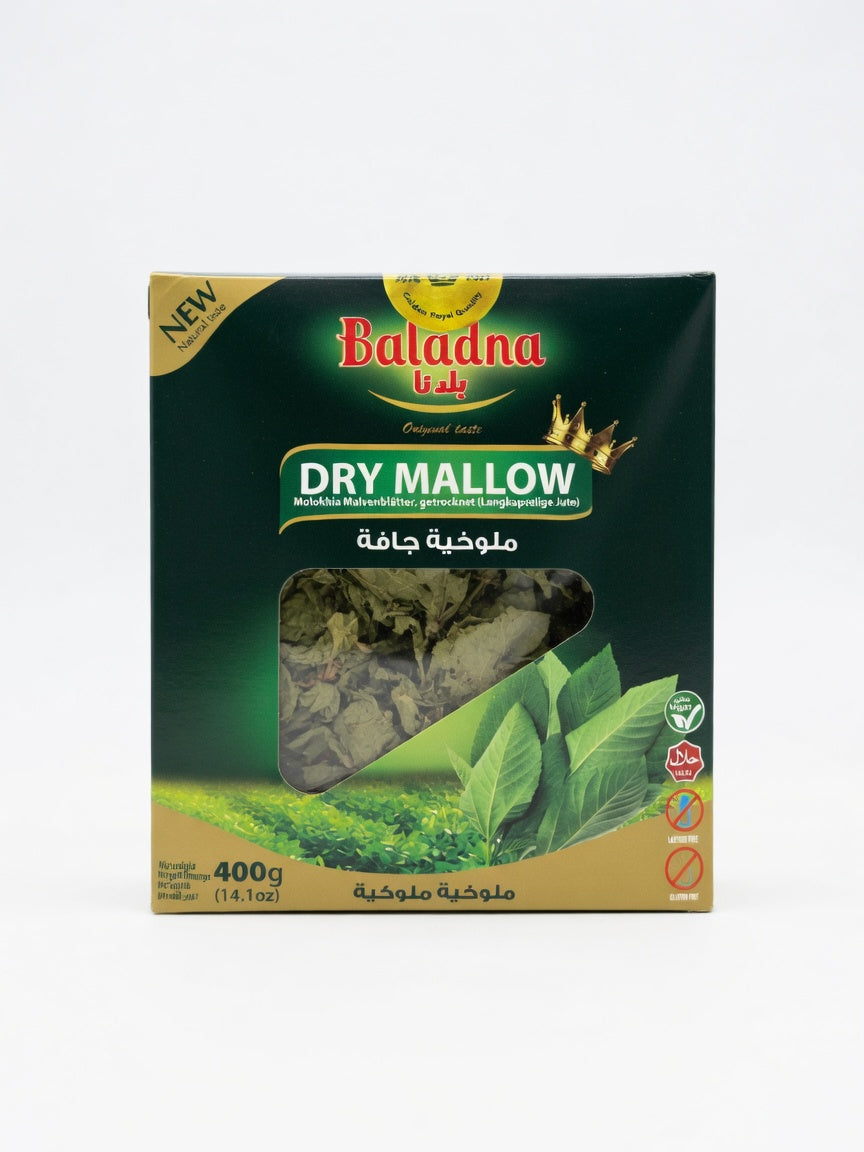
Outside the short fresh summer season, most households cook with shade-dried molokhia leaves. In Syria, Lebanon, Palestine and Jordan, the whole dried leaves are soaked in warm water, squeezed dry and sautéed in ghee with whole garlic cloves and coriander before simmering with shredded chicken or lamb chunks into a thick, leafy dish. In Egypt, the leaves are finely chopped with a curved rocking blade (makhrata), whisked into hot stock for just a few minutes and finished with a sizzling pan of garlic and coriander fried in ghee, known as tasha.
How to prepare dried molokhia and what to serve with it
Before soaking dried molokhia, spread the leaves on a tray to pick out any tiny stems, then soak them in lukewarm water for 15 minutes, rinse and squeeze out the water firmly by hand. Frying the squeezed leaves in ghee and adding a squeeze of lemon juice keeps the texture clean rather than mucilaginous. Molokhia is always served with Egyptian short-grain rice cooked with toasted vermicelli, lemon wedges, toasted Arabic bread and, in many homes, a sharp dressing of vinegar and raw garlic.