Arabic & Levantine Pantry Guide
Loomi (Dried Black Lime): The Tangy, Smoky Citrus Spice of the Gulf
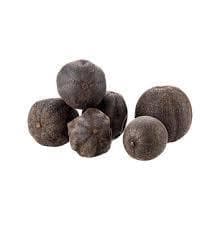
Loomi (also called Omani lime or noomi Basra) are small limes boiled briefly in salt water and dried under the desert sun until light, hollow and golden-tan to jet black. Pierced whole for slow-cooked rice and stews or ground into powder for spice rubs, they bring a deep, smoky-tart citrus complexity.
Origins in Oman and Yellow vs Black Loomi
Sun-drying limes began in Oman and across the Arabian Gulf as a way to preserve the citrus harvest, spreading through the port of Basra into Iraqi and Persian kitchens. Small thin-skinned limes are blanched in brine for a few minutes and laid out in the sun for weeks. Yellow (or tan) loomi are dried for a shorter period, retaining a brighter, floral lime-peel aroma. Black loomi are left in the sun longer, allowing natural oxidation to turn the rind and pulp dark brown-black and develop a rich, fermented, almost smoky tang.
How to Cook with Whole and Ground Loomi
In dishes such as Saudi kabsa, Gulf machboos, Iraqi stews and Persian ghormeh sabzi, one or two whole loomi are pierced several times with the tip of a knife and added straight to the simmering broth. As they bob in the pot, the dried limes soften and release their savoury sourness into the stock and rice. When crushing loomi or grinding them into powder for fish rubs and kabsa spice mix, always crack them open first and flick out the pale seeds inside so they do not turn bitter.
Brewing Iraqi Dried Lime Tea (Chai Noomi Basra)
Beyond savoury pots, dried limes brew a cherished amber tea across Iraq and the Gulf. Two or three loomi are cracked open, deseeded and simmered gently in water for ten minutes with sugar and a bruised cardamom pod, yielding a fragrant, tangy-sweet infusion served hot in small glasses after a rich meal.