Hosrum (Verjus) & Citric Acid: Bright Sourness in Levantine Cooking
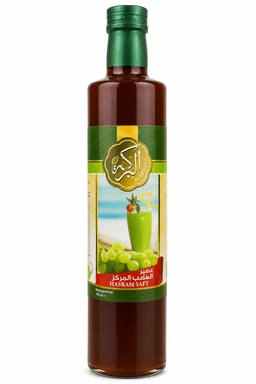
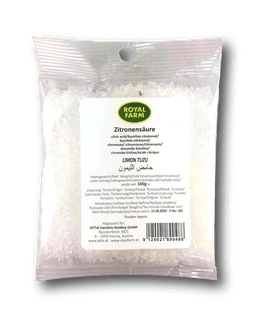
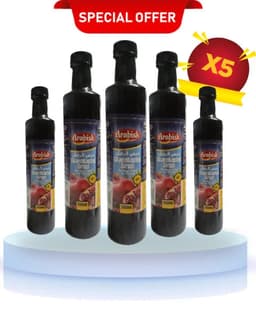
Beyond fresh lemons, Syrian and Lebanese cooks rely on two pantry souring staples: hosrum (verjus pressed from tart unripe grapes) and crystalline citric acid (milh al-laymun). Hosrum brings mellow orchard brightness to stews and salads, while a pinch of citric acid keeps pastry syrups glossy.
Hosrum (Verjus): Gentle Grape Acidity Built for Slow Simmering
Pressed in early summer from firm green grapes before they sweeten, hosrum stays clean and fruity even after an hour of simmering, whereas fresh lemon juice can turn slightly pithy if boiled too long. Cooks splash it into stuffed courgettes (kousa mahshi), vine leaves, okra stew and summery tabbouleh or fattoush dressings.
Crystalline Citric Acid (Milh al-Laymun) in Syrups, Toum & Torshi
Known across Arabic kitchens as lemon salt, pure citric acid crystals deliver sharp acidity without extra liquid. A tiny pinch prevents baklava and kunafa sugar syrup (qater) from crystallising, stabilises fluffy eggless garlic sauce (toum), and sharpens brines for homemade torshi pickles.
Choosing the Right Sour Note Across the Larder
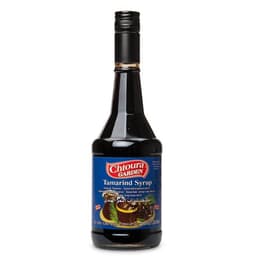
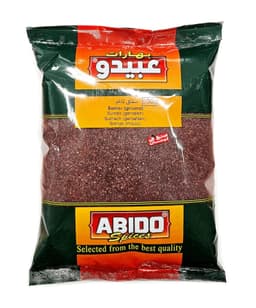
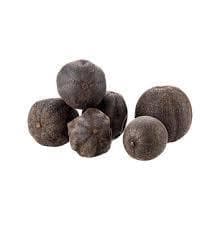
Each Levantine souring ingredient plays a distinct role: hosrum for bright green broths, pomegranate molasses and tamarind for dark sweet-sour mahshi, crimson sumac for dry-rubbing onions and grills, and dried black loomi limes for spiced rice.