Arabic & Levantine Pantry Guide
Qishta (Ashta): Arabic Clotted Cream for Kunafa, Qatayef and Sweets
Qishta (also spelled ashta) is the rich milk cream at the heart of Levantine pastry making, used to fill kunafa, qatayef and halawet el-jibn or served with honey and pistachios. It ranges from traditional clotted milk-skin cream and cooked pastry cream for baking to tinned table cream.
Three Styles of Qishta in Middle Eastern Kitchens
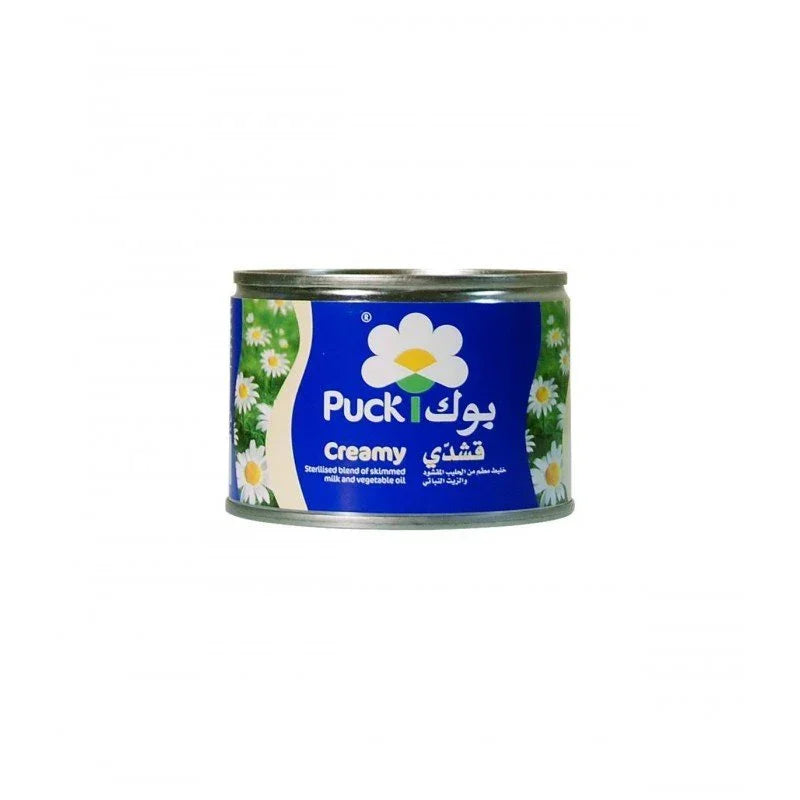
In Arabic cookery, the word qishta covers three closely related creams. Artisanal qishta baladi is made by gently simmering rich whole milk in wide shallow pans and skimming off the thick layers of clotted cream that rise to the surface – or at home by curdling boiling whole milk with a splash of vinegar or lemon juice and gathering the sweet, buttery curds. For oven-baked pastries like kunafa, cooks prepare a stable cooked qishta thickened with cornstarch or fine semolina and scented with orange blossom water. Finally, tinned thick cream is a pantry staple across the region for everyday desserts.
Stuffing Qatayef Asafiri, Kunafa and Halawet el-Jibn
Because qishta is left unsweetened or barely sweetened, its cool, milky richness balances the fragrant sugar syrup (attar) of Levantine sweets. It is piped fresh into open cones of qatayef asafiri dipped in crushed green pistachios, rolled inside soft cheese-and-semolina sheets for halawet el-jibn, and spread in a thick, trembling layer between golden kataifi pastry threads in Lebanese-style kunafa bi ashta.
Serving with Honey, Dates and Fruit
Beyond pastry fillings, qishta is enjoyed on its own at breakfast or after meals drizzled with floral honey or date syrup and scattered with toasted almonds and pistachios. It is also a classic stuffing for plump Medjool or Sukkari dates and a rich crown over Levantine fruit cocktail.