Arabic & Levantine Pantry Guide
Ramadan shopping list: pantry staples for iftar and suhoor
A practical Ramadan shopping list covers the staples used every single day: dates, red lentils, rice, bulgur, tahini and drinks such as qamar al-din and jallab. Stocking dry goods before the month begins leaves only fresh produce and bread for weekly errands.
Staples for iftar, soup and main dishes
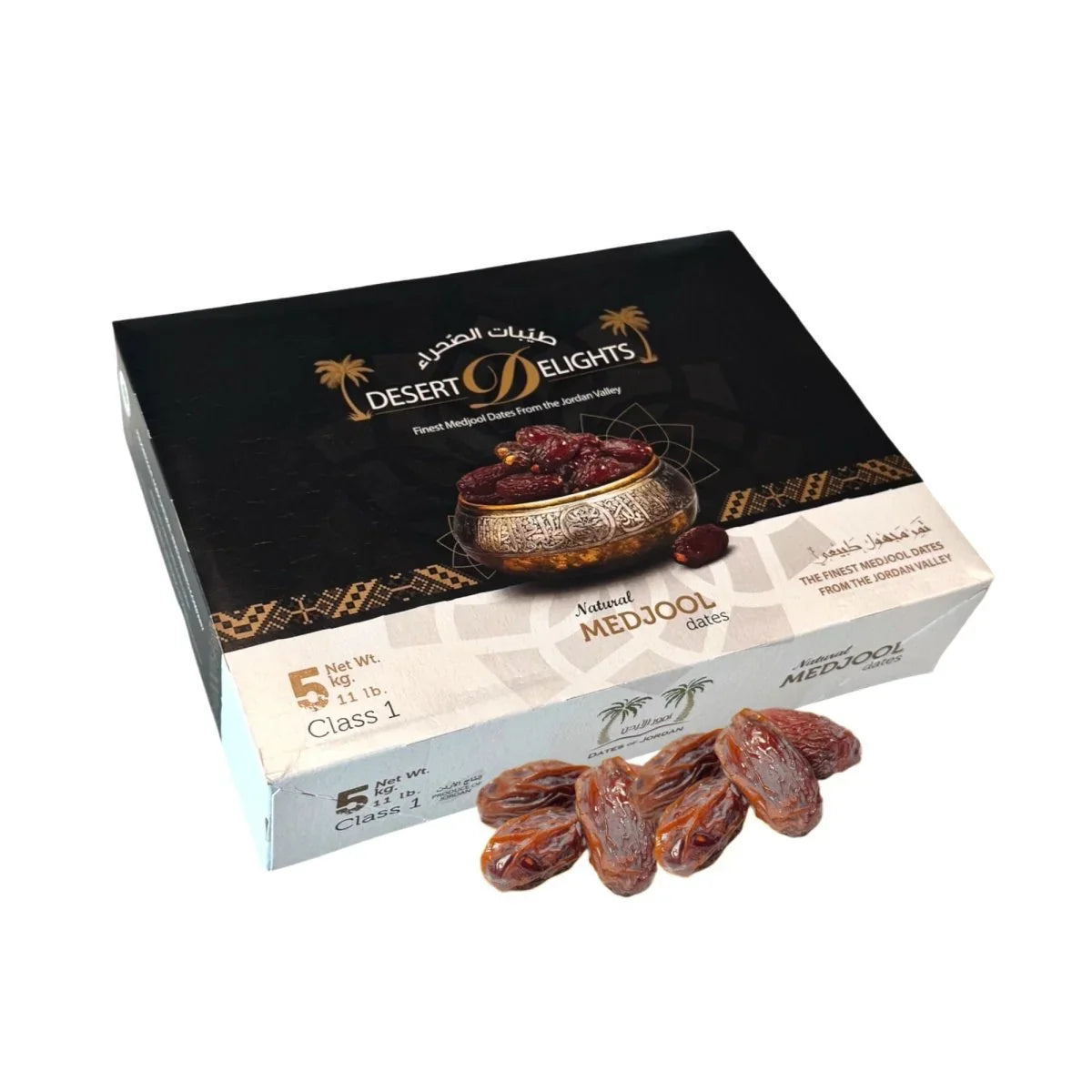
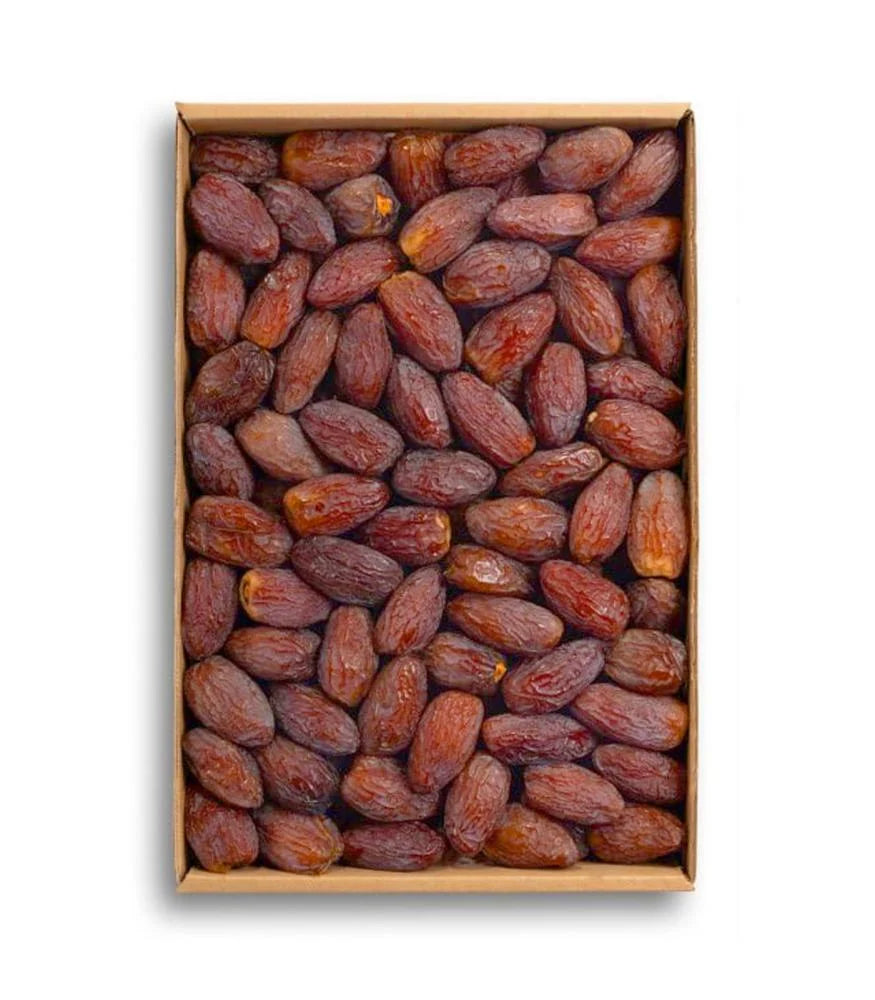
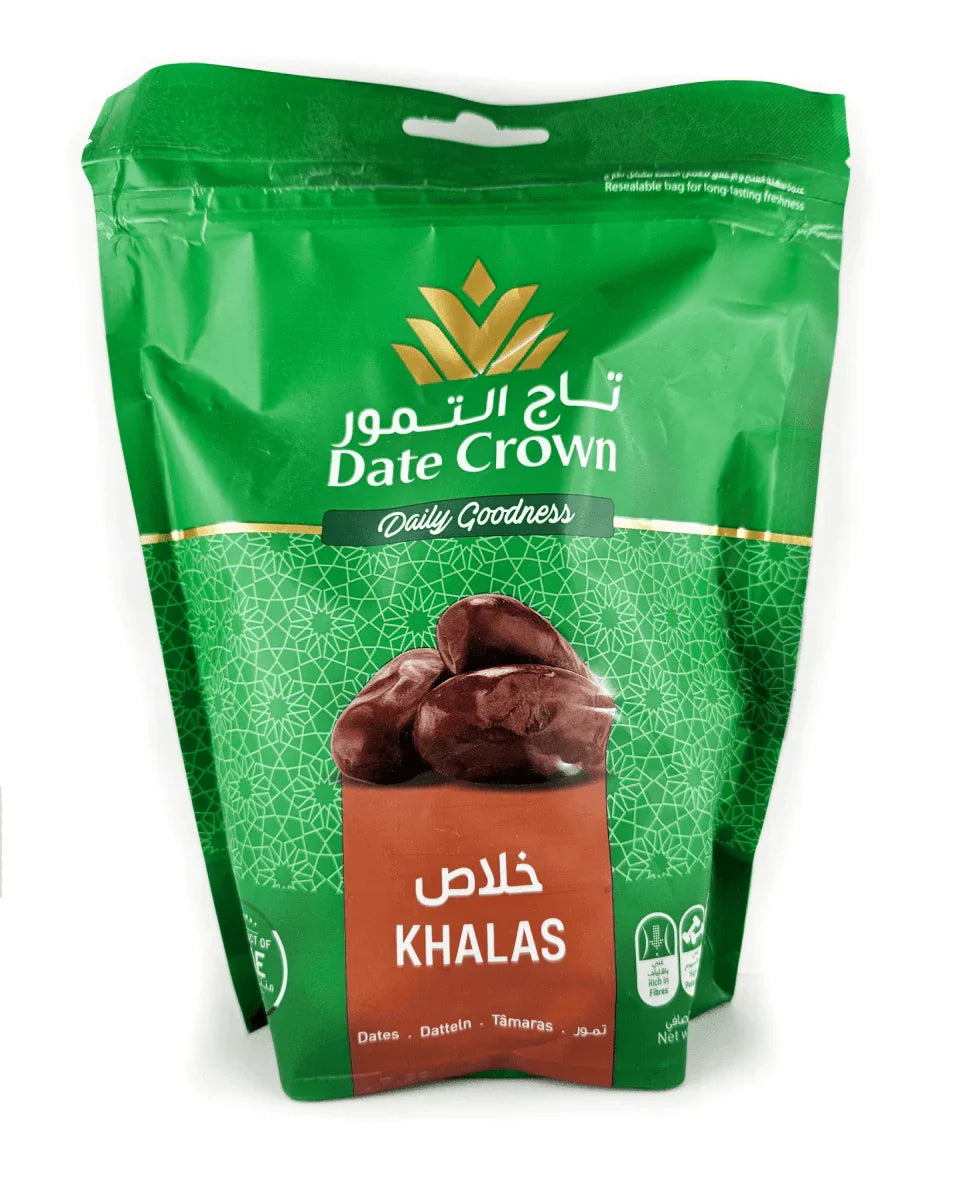
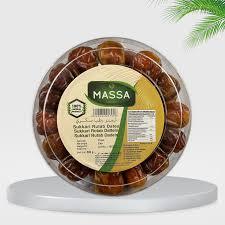
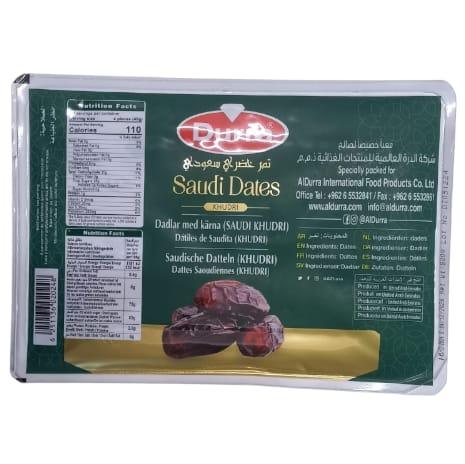
Iftar traditionally starts with dates such as Medjool, Sukkari or Khalas alongside water or yoghurt. Daily soups call for red lentils, cracked freekeh and vermicelli. For mezze and salads, keep fine bulgur, chickpeas, tahini, sumac and pomegranate molasses on hand. Main dishes like maqluba, kabsa and stuffed vine leaves rely on Egyptian short-grain rice, basmati rice, ghee, preserved vine leaves, seven spices and cardamom.
Suhoor foods, drinks and baking ingredients
For suhoor before dawn, most households reach for tins of ful medames, labneh, za'atar with olive oil, halva and cheeses such as akkawi or halloumi. Classic Ramadan drinks are made from qamar al-din apricot sheets, jallab syrup, tamarind and hibiscus flowers. For evening sweets and Eid baking, add semolina, rose water, orange blossom water, mahlab and mastic to the list.