Arabic & Levantine Pantry Guide
What is Qamar al-Din? Apricot fruit leather for Ramadan drinks
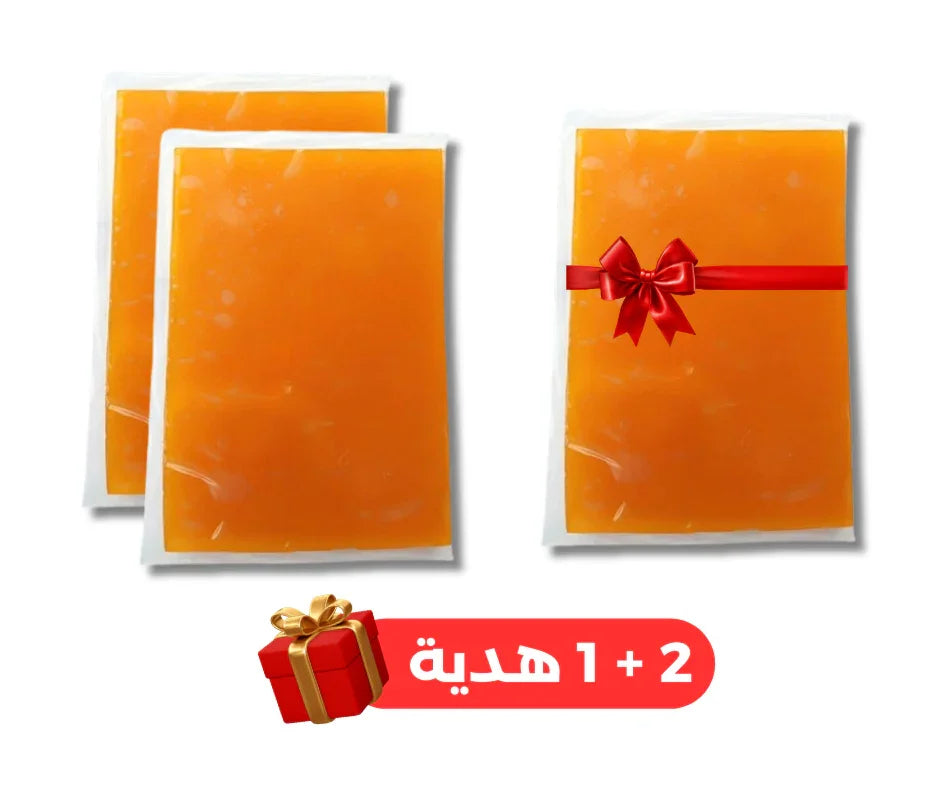
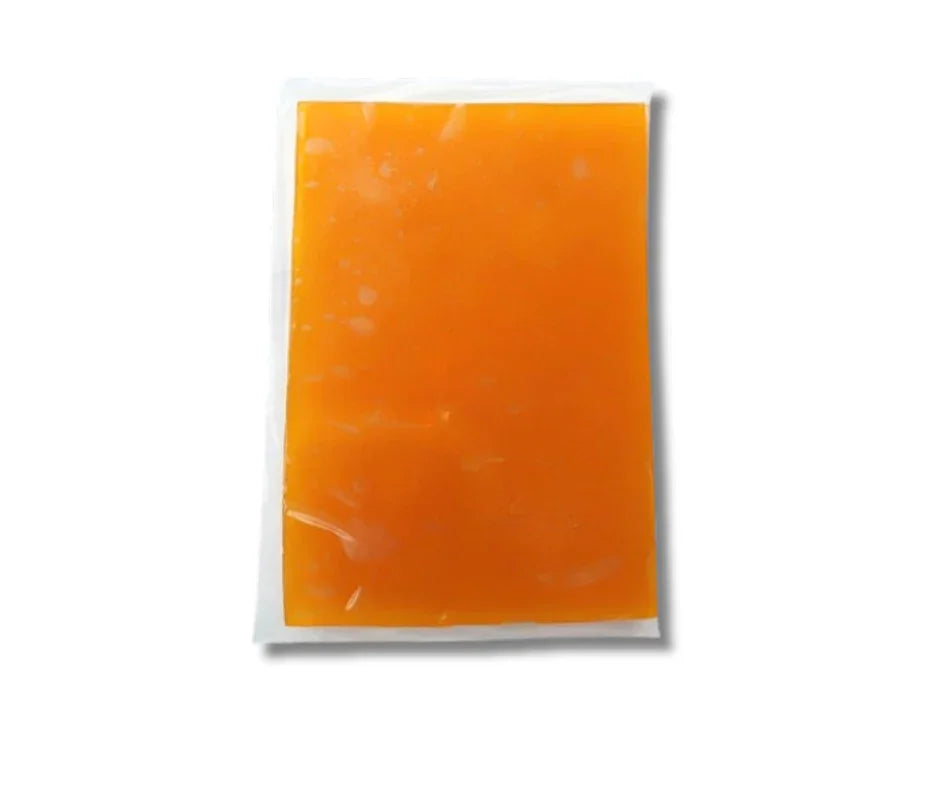
Qamar al-Din (also spelled Qamar el-Din or Amardeen) is a pliable sheet of sun-dried apricot paste traditionally made in the orchards around Damascus. Soaked in water and blended with a splash of orange blossom water, it turns into the thick, tangy apricot nectar served across the Arab world at Ramadan iftar.
How Qamar al-Din apricot sheets are made
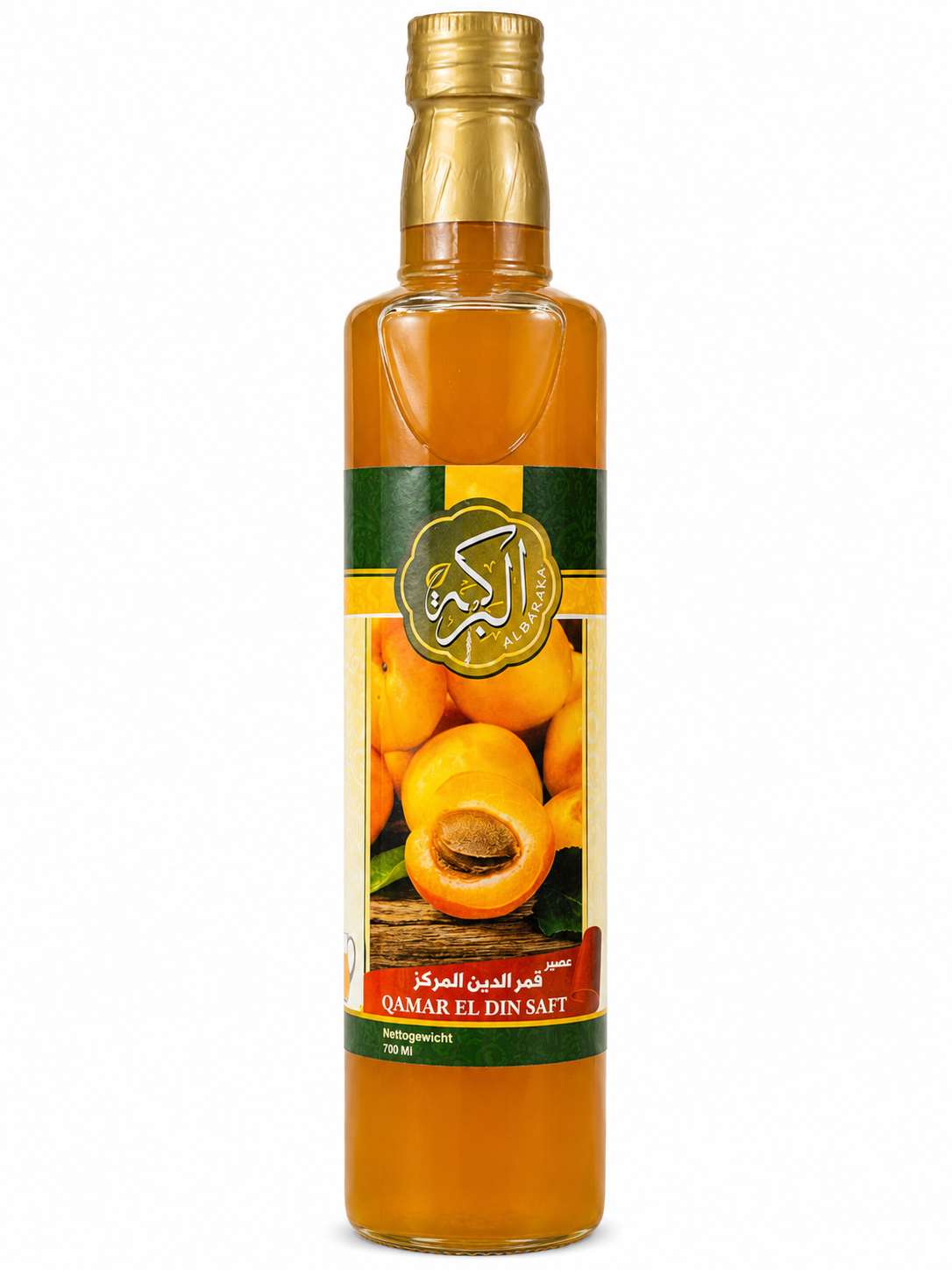
At the height of the early-summer apricot harvest, tart and sweet apricots are pulped, strained and simmered briefly before being spread in thin layers onto wooden boards brushed with a drop of olive oil. Left to dry under the warm sun, the puree sets into a glossy, amber-orange sheet of fruit leather that is folded into 400-gram blocks. In addition to traditional sheets, Qamar al-Din also comes as a ready-to-dilute bottle of apricot syrup.
How to make Qamar al-Din juice and apricot pudding
To make a pitcher of the classic drink, snip half a sheet of Qamar al-Din (about 200 grams) into small pieces with kitchen scissors and soak them in 1 litre of warm water for 2 to 3 hours, or simmer gently in a saucepan for 10 minutes if you are short on time. Blend until velvety smooth, add a little sugar only if needed, stir in a teaspoon of orange blossom water and chill thoroughly before serving over ice, sometimes garnished with pine nuts or dried apricots. Simmered with dissolved cornstarch and poured into bowls, the same juice sets into a glossy apricot pudding topped with crushed pistachios and shredded coconut.