Arabic & Levantine Pantry Guide
What is mastic (mistika)? Culinary resin for desserts and broths
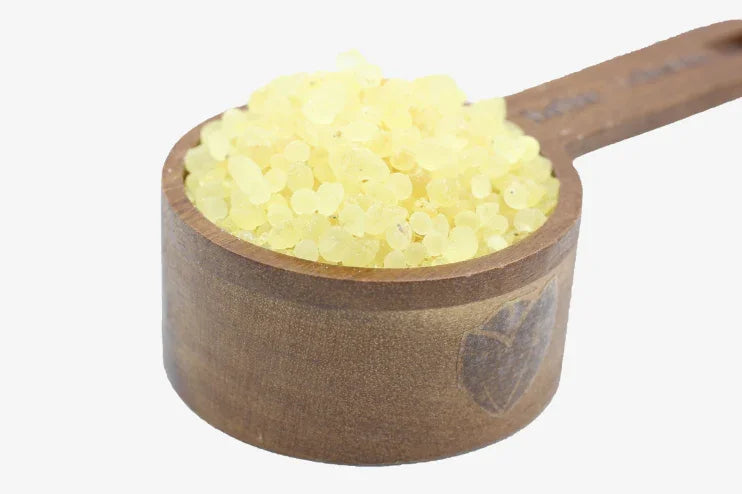
Mastic (known in Arabic as mistika) consists of small, pale golden teardrops of natural resin harvested from mastic trees on the Greek island of Chios. Crushed with a pinch of sugar, it lends a delicate pine-and-cedar perfume to Muhallabia, sahlab, Turkish delight, Levantine ice cream and savoury poultry stocks.
What mastic is and the trick to grinding the crystals
True culinary mastic is the sun-dried sap of the lentisk tree (Pistacia lentiscus) grown in southern Chios. The translucent, tear-shaped crystals are brittle when cool but soften into a chewing-gum texture as soon as they warm up. If you try to grind them on their own, they stick to the mortar. The kitchen rule across the Middle East is to place 3 or 4 small mastic tears in a mortar with half a teaspoon of granulated sugar (or a pinch of salt for savoury dishes) and crush them gently into a fine, free-flowing powder.
How mastic is used in sweets and savoury cooking
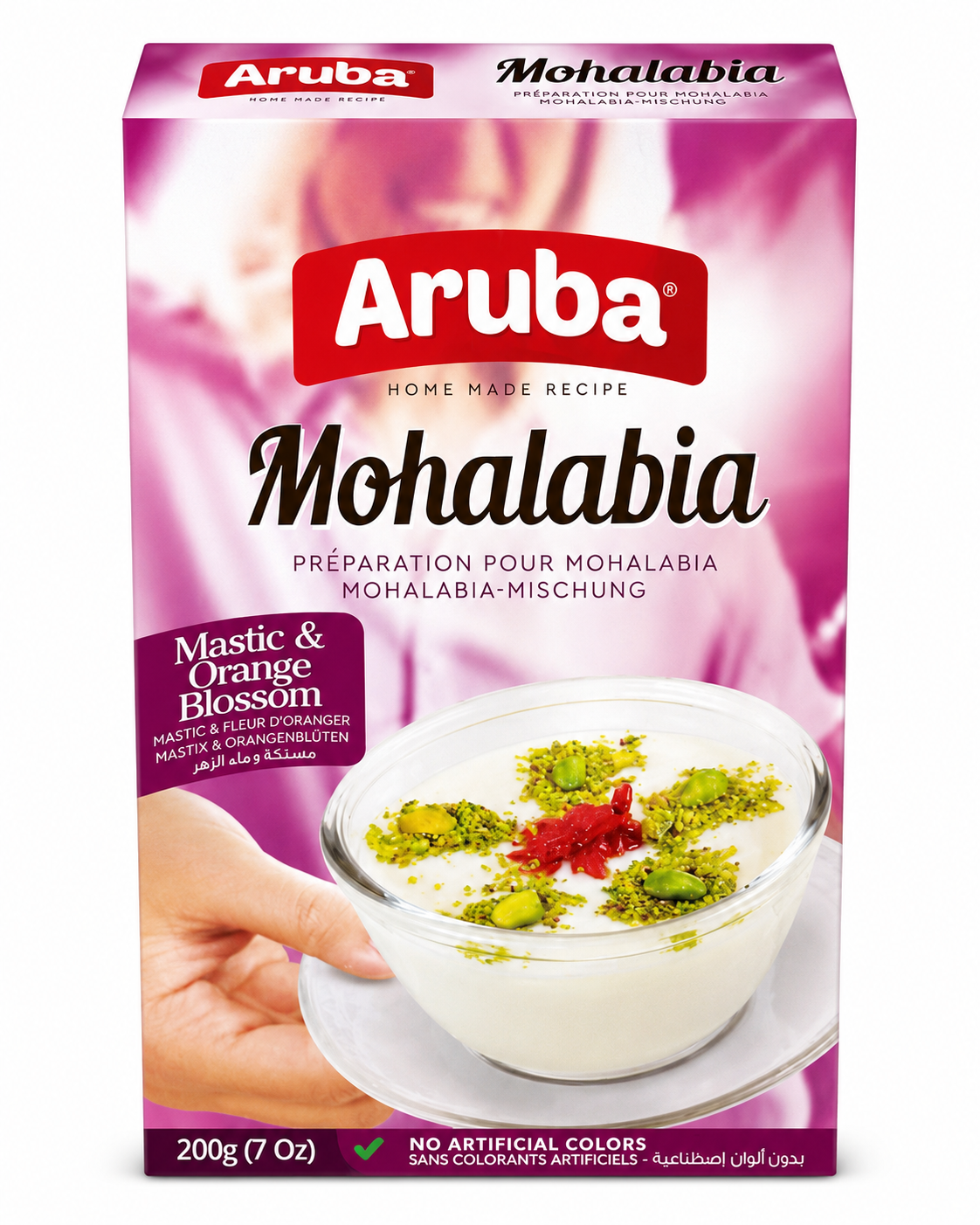
In Arabic desserts, mastic is paired with rose water and orange blossom water to scent milk puddings like muhallabia and rice pudding, hot winter mugs of sahlab, chewy Dar'awi lokum, maamoul pastries and stretchy Damascene booza ice cream. In Egyptian and Levantine savoury cooking, cooks drop two tiny tears of mastic and a few bruised cardamom pods into a spoonful of hot ghee until the resin melts in a fragrant cloud before browning chicken or lamb for soup and stews.