Bakhoor, Oud & Mukhammaria: Guide to Arabic Incense and Solid Perfume
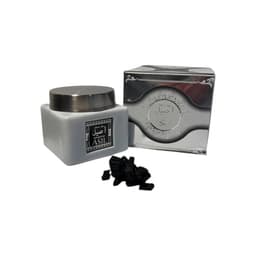
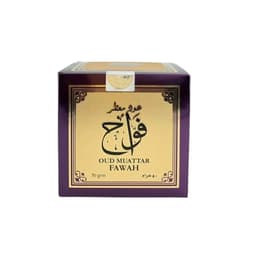
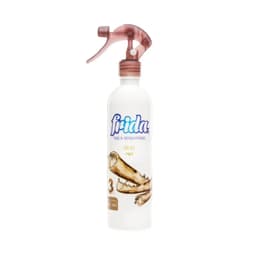
Bakhoor consists of agarwood chips (oud) or pressed fragrant tablets steeped in amber, musk, rose and sandalwood oils, gently heated over charcoal to scent living spaces and garments. Alongside it, solid mukhammaria balm offers an alcohol-free perfume cream dabbed onto pulse points and hair ends.
Scented Wood Chips vs. Pressed Bakhoor Tablets
Chip-style bakhoor preserves visible splinters of fragrant wood soaked in attar oils, releasing a dry, woody oud trail as soon as it warms. Pressed bakhoor blends powdered wood with natural resins and floral oils into soft morsels that melt slowly, lingering in hallways and sitting rooms for hours after cooking or before welcoming guests.
How to Burn Bakhoor Cleanly Without Scorching
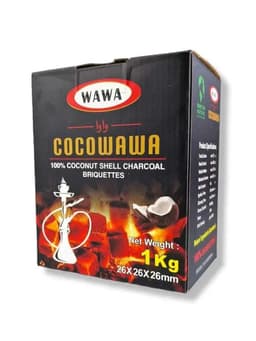
To vaporise the perfume oils without charring the wood fibres, let a cube of natural coconut charcoal ash over completely until coated in pale grey, then lay a small square of foil on top before adding a pea-sized pinch of bakhoor. Electric censers achieve the same gentle warmth with zero smoke.
Using Solid Mukhammaria Balm and Oud Sprays
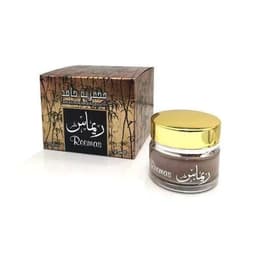
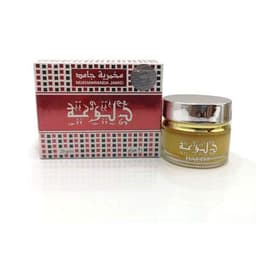
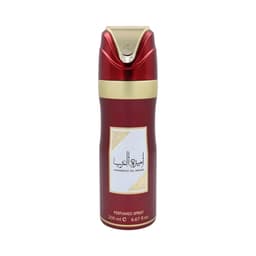
Poured into pocket-sized tins, solid mukhammaria has a silky wax texture that never spills in a bag: warm a tiny dab between two fingertips and touch it to wrists, behind the ears or through damp hair tips. Between incense sessions, oud room sprays refresh curtains and upholstery from thirty centimetres away.